Apple’s Foldable Ambitions: Inside the Leaks of the ‘iPhone Ultra’
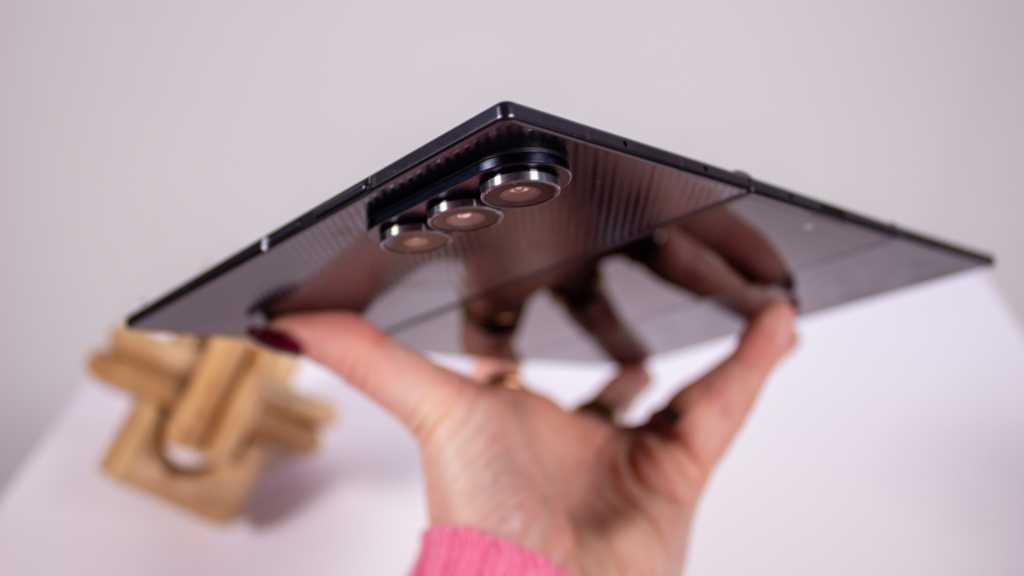
Table of Contents
The Shift Toward ‘Ultra’
For years, Apple has been the notable holdout in the foldable smartphone race, watching Samsung, Google, and Motorola iterate through multiple generations of hinges and flexible displays. However, a convergence of leaked CAD files, dummy models, and insider reports suggests that Apple is finally moving beyond the R&D phase with a device that may redefine its flagship hierarchy.
According to Bloomberg’s Mark Gurman, the device is expected to be positioned within Apple’s emerging ‘Ultra’ tier. While a formal name hasn’t been confirmed, internal chatter points toward the iPhone Ultra or iPhone Ultra Fold. This isn’t just a new form factor; it’s a strategic repositioning. By grouping the foldable with other anticipated ‘Ultra’ products—including a potential MacBook Ultra and AirPods Ultra—Apple is carving out a luxury segment designed to sit comfortably above the Pro Max line.
The ‘Passport’ Form Factor
While the industry has split between ‘clamshell’ flips and ‘book-style’ foldables, the evidence suggests Apple is betting on the latter. Leaked imagery from phone case manufacturers and CAD renders shared by leaker Sonny Dickson reveal a design that differs significantly from the slim profile of current iPhones. When folded, the device is reportedly more square, earning it the nickname ‘Passport-style’ among insiders.
The real intent becomes clear when the device is opened. The internal display is rumored to mirror the 4:3 aspect ratio of an iPad mini, signaling Apple’s desire to bridge the gap between a phone and a tablet. This move would allow Apple to leverage its existing app ecosystem, providing a productivity experience that current foldable phones—which often struggle with awkward aspect ratios—have yet to perfect.
Engineering Trade-offs
The pursuit of a thinner profile seems to have come at a cost. Analysis of dummy models, including a video showcase by Unbox Therapy, indicates a departure from the traditional unibody design seen in the Pro series. Most notably, reports suggest that Face ID has been scrapped for the foldable in favor of a more compact build. In its place, Apple is expected to implement a side-mounted Touch ID fingerprint sensor, a move reminiscent of the iPhone SE and iPad Air designs.
Another striking detail is the camera system. The dummy models reveal a substantial camera bump—similar to the ‘plateau’ design rumored for the iPhone Air—which suggests that while the screen is the star, the imaging hardware remains a priority for the Ultra tier.
Production Hurdles and Timeline
The roadmap to launch is not without friction. While Weibo sources previously claimed that trial production at Foxconn was proceeding on schedule, a report from Nikkei Asia pointed toward setbacks during the engineering test phase. These hiccups in the hinge and display integration could potentially push back mass production.
Despite these reports, Mark Gurman suggests that these setbacks are unlikely to derail the broader launch window. The current expectation is that the foldable will debut alongside the high-end iPhone 18 lineup in September 2026. This would follow the established Apple cadence: premium flagships in the autumn, followed by budget-friendly alternatives—such as the rumored iPhone 18e—in the spring of 2027.
The Luxury Price Barrier
Apple is unlikely to engage in a price war with Samsung. While the Galaxy Z Fold 7 typically starts around $1,999 in the US, analysts suggest Apple will push the ceiling higher. Estimates for the iPhone Ultra currently range from $1,999 to as high as $2,500, depending on the storage tier and the final cost of the hinge mechanism.
Recent leaks regarding Chinese pricing, shared by Instant Digital, suggest a base price that converts to roughly $2,320. When adjusted for Apple’s typical US pricing strategies, it is plausible the device will launch with a base MSRP closer to $2,399, firmly establishing it as the most expensive consumer phone in Apple’s history.