Apple’s Bet on ‘Siri AI’: WWDC 2026 Marks a Pivot Toward System-Wide Autonomy
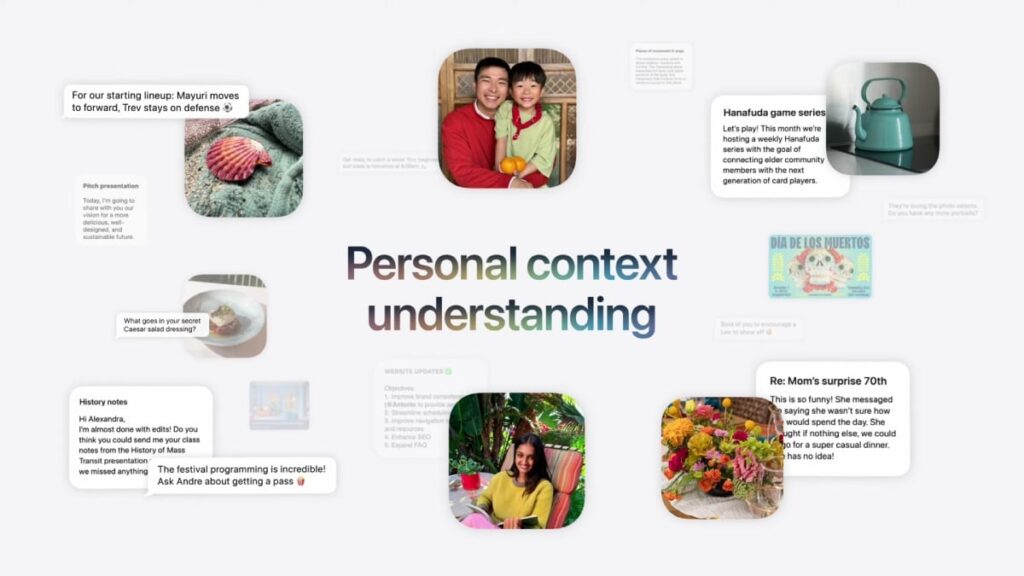
Table of Contents
Moving Beyond the Chatbot
For the last few years, Apple’s approach to artificial intelligence has been characterized by a cautious, incremental rollout. But at WWDC 2026, the company signaled a shift from ‘integrated features’ to a more cohesive, autonomous system. The center-piece of this evolution is Siri AI, a complete overhaul of the digital assistant that attempts to solve the ‘fragmentation’ problem that has plagued Siri since its inception.
While the previous iterations of Apple Intelligence focused on writing tools and image generation, Siri AI is designed as a system-level orchestrator. According to Apple’s technical presentation, the new assistant doesn’t just trigger apps; it understands the state of the device. If a user asks, “Find that flight confirmation from my email and add the hotel address to my calendar,” Siri AI is no longer just searching for a keyword. It is navigating the data structures of Mail and Calendar simultaneously to execute a multi-step workflow without requiring the user to leave their current screen.
The Engine: Second-Gen Foundation Models
The intelligence driving this shift is the second generation of Apple Foundation Models (AFMs). Unlike the first wave, which leaned heavily on cloud-based processing for complex queries, the 2026 models are optimized for a more aggressive hybrid approach. Apple is pushing more of the heavy lifting to the Neural Engine on the M-series and A-series chips, reducing the latency that often makes AI assistants feel sluggish.
These new models are natively multimodal. This means Siri AI can “see” what is on your screen in real-time. For example, if you are looking at a photo of a restaurant in a text message, you can simply say, “Book a table here for 7 PM,” and the system identifies the entity from the image and coordinates with the appropriate booking service. This level of semantic awareness is a direct response to the competition from Google’s Gemini and the evolving capabilities of Android’s system-level AI.
Ecosystem Sync: From Watch to Vision Pro
The rollout spans the entire 2026 software stack, including iOS 27, iPadOS 27, macOS 27, watchOS 27, tvOS 27, and visionOS 27. The most interesting implementation is perhaps within visionOS. In the spatial computing environment, Siri AI acts less like a voice command and more like a spatial guide, capable of interacting with virtual objects and providing contextual information based on the user’s physical surroundings.
On the wrist, watchOS 27 integrates Siri AI to handle more complex health-data synthesis. Instead of simply reporting a heart rate, the assistant can now correlate sleep data from the previous night with activity levels to provide a nuanced summary of recovery, all processed largely on-device to maintain Apple’s strict privacy standards.
The Privacy Trade-off
Despite the leap in capability, Apple is still fighting the perception that AI requires a surrender of privacy. The company continues to lean on Private Cloud Compute, but the second-gen AFMs aim to minimize the need for cloud hand-offs. By processing more ‘intent’ locally, Apple is betting that users will trust Siri AI with their most sensitive data—Messages, Mail, and Photos—more than they would a third-party LLM.
However, the success of Siri AI will ultimately depend on its reliability. The transition from a command-based assistant to an autonomous agent is fraught with potential for ‘hallucinations’ or incorrect actions. Whether Apple has solved the reliability gap remains the biggest question for developers and users as they move toward the public beta of these operating systems.


