Anker Soundcore’s New Duo: Deciphering the Split Between Budget Utility and Premium Audio
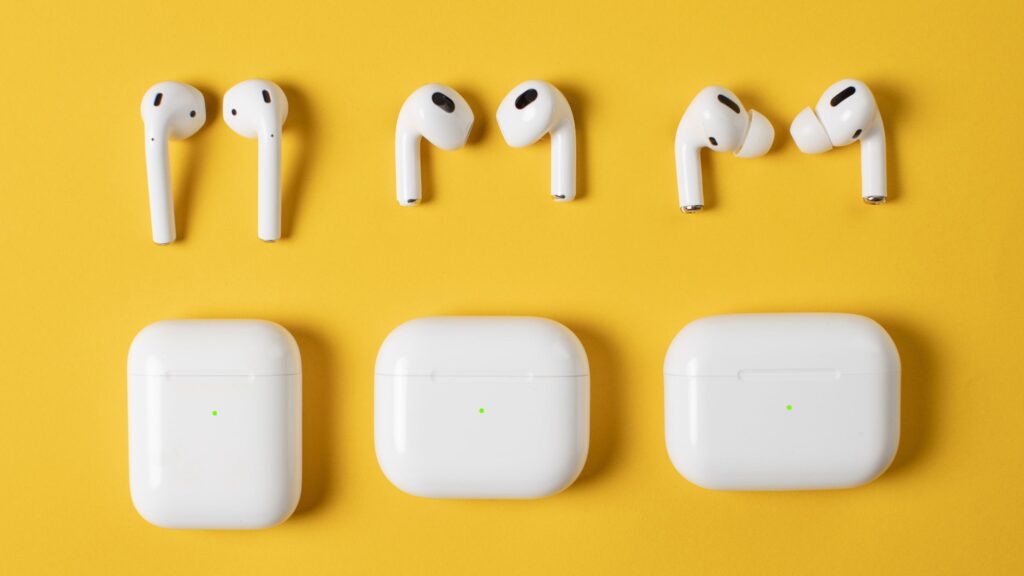
Table of Contents
The TWS Market’s New Middle Ground
The true wireless stereo (TWS) market has evolved from a luxury novelty into a commodity landscape where the delta between ‘budget’ and ‘premium’ is shrinking. While Apple’s AirPods continue to dictate the cultural silhouette of the category since their 2016 debut, the actual innovation is increasingly happening in the mid-tier. Anker’s Soundcore brand is currently leaning into this gap, launching two new earbud models designed to capture different segments of the consumer base.
On paper, the two new releases look similar, but in practice, they represent two distinct philosophies: one prioritizing high-fidelity transparency and the other focusing on rugged, everyday utility. Having spent the last two weeks alternating between the two, the distinction becomes clear not in the plastic housing, but in the frequency response and the stability of the Bluetooth handshake.
Driver Dynamics and Sonic Trade-offs
The primary differentiator here is the driver architecture. The premium-leaning model utilizes a dual-driver setup—a common tactic to separate the heavy lifting of low-end bass from the crispness of the mids and highs. This prevents the ‘muddy’ sound often found in cheaper earbuds, where a single dynamic driver struggles to balance a heavy bass boost with vocal clarity.
In contrast, the utility-focused model relies on a single, larger diaphragm. While this lacks the surgical precision of the dual-driver counterpart, it provides a warmer, more forgiving sound profile that suits podcasts and casual streaming. It avoids the clinical coldness that sometimes plagues high-end monitors, making it a better companion for long-haul commutes where fatigue is a factor.
The Noise Cancellation Paradox
Both pairs feature Active Noise Cancellation (ANC), but the implementation varies. The higher-end unit employs a more aggressive hybrid ANC system, utilizing both feed-forward and feedback microphones to cancel out a wider spectrum of ambient noise. In real-world testing—specifically in a noisy coffee shop environment—this model managed to mute the low-frequency hum of an espresso machine significantly better than its sibling.
The entry-level model’s ANC is more conservative. It handles consistent drones well but struggles with erratic sounds, like human chatter or sudden sirens. However, it compensates with a more natural ‘Transparency Mode,’ allowing the user to hear their surroundings without the metallic, processed hiss that often accompanies lower-cost ANC chips.
Form Factor and Ergonomics
One of the most persistent critiques of the AirPods-style stem design is the stability during movement. Anker has deviated slightly from the Apple blueprint here, opting for a more secure ‘bud’ fit that sits deeper in the ear canal. This provides a natural seal, which is the first line of defense for passive noise isolation before the electronic ANC even kicks in.
While over-ear headphones still reign supreme for critical listening due to their larger diaphragms and superior soundstage, the sheer portability of these Soundcore units makes them the pragmatic choice. The charging cases are noticeably slimmer than previous generations, fitting easily into a coin pocket without the bulk associated with larger ANC cans.
Which One Actually Fits?
The choice between these two models isn’t about quality so much as it is about use-case. For those who treat their earbuds as a primary audio source for music production or critical listening, the dual-driver model is the only logical choice. The separation of frequencies is noticeable, and the ANC is robust enough to create a legitimate ‘cone of silence.’
However, for the user who needs a reliable, ‘throw-in-the-bag’ pair of buds for gym sessions and Zoom calls, the budget-friendly alternative offers a better return on investment. It avoids the fragility of high-end components while providing 90% of the utility required for the average consumer.


