Android 17 QPR1 Beta 3 Doubles Down on Visual Polish and UI Refinements
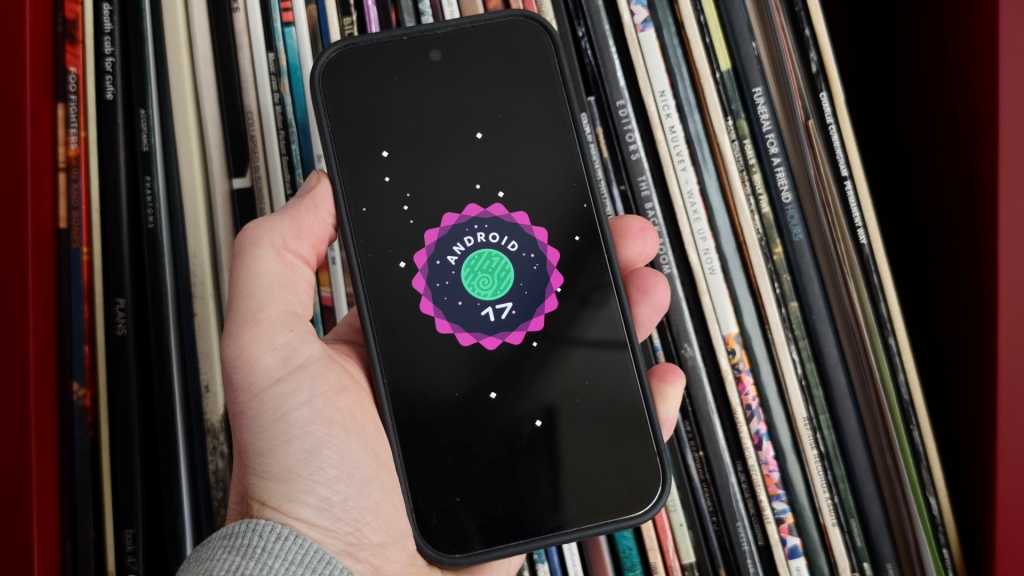
Table of Contents
Google is refining the ‘feel’ of Android 17
While the first stable release of Android 17 is looming on the horizon, Google is already shifting its focus toward the Quarterly Platform Release (QPR) cycle. The rollout of Android 17 QPR1 Beta 3, unveiled during the flurry of activity at Google I/O, signals a transition from core architectural changes to the meticulous polishing of the user interface.
For those tracking the Pixel roadmap, this beta isn’t just a precursor to the stable OS; it serves as the foundation for the significant ‘Pixel Drop’ scheduled for September. The current build is available to participants in the Android Beta Program, targeting a wide swath of hardware ranging from the aging Pixel 6 to the latest Pixel 10 series.
The ‘Blur’ Era of Material You
If there is a central theme for the Android 17 visual overhaul, it is atmospheric depth. Google is leaning heavily into background blur effects, moving away from the flatter, more rigid surfaces of previous Material You iterations. This design shift aims to create a more layered experience, where the OS feels less like a series of windows and more like a cohesive, translucent environment.
This aesthetic shift is most evident in the updated animations. A notable change is the revamped camera launch sequence; triggering the camera via a double-press of the power button now initiates an expansion animation that pushes away the lock screen’s overlay, creating a more fluid transition into the viewfinder. Similarly, the Quick Settings panel has received a ‘bouncy’ physics update, where the menu exhibits a slight elastic recoil when pulled down, adding a tactile, organic quality to the navigation.
Overhauling the Media and Recording Flow
Beyond the visual flourishes, Google is tweaking how users interact with multitasking and media. The media player controls within the Quick Settings menu have been redesigned into a card-based layout. In a departure from the previous swipe-heavy navigation, users can now switch between active media apps via direct tapping, reducing the friction of jumping between a podcast and a music stream.
The screen recording utility has also seen a logic update. The menu now intelligently defaults to the last-used application, cutting out a step in the setup process. More importantly, Google has streamlined the audio toggles, placing the microphone and device audio switches in a more prominent position to prevent the common issue of users recording a clip only to realize their audio source was incorrectly configured.
Stability and the Beta Grind
As with any QPR beta, the ‘under the hood’ work is as critical as the new animations. The release notes for Beta 3 detail a series of aggressive bug squashing aimed at the instability often found in early Pixel drops. Specifically, Google is addressing intermittent Wi-Fi disconnections and distorted audio playback—two ‘critical’ bugs that have plagued early testers.
The update also resolves several UI regressions, including glitches that occurred when apps expanded to full-screen mode and a recurring issue where Home Screen widgets would spontaneously disappear after a reboot. While these are quality-of-life fixes, they are essential for ensuring that the September Pixel Drop doesn’t launch with regressions that undermine the stability of the core OS.
For developers and enthusiasts, this build represents the bridge between the raw features of Android 17 and the refined experience Google wants to market. While the feature set is incremental, the focus on micro-interactions and stability suggests that Google is prioritizing the ‘premium’ feel of the software to better compete with the tight integration seen in competing ecosystems.


