American Airlines Taps Starlink for 500+ Aircraft, Signaling a Shift in In-Flight Connectivity
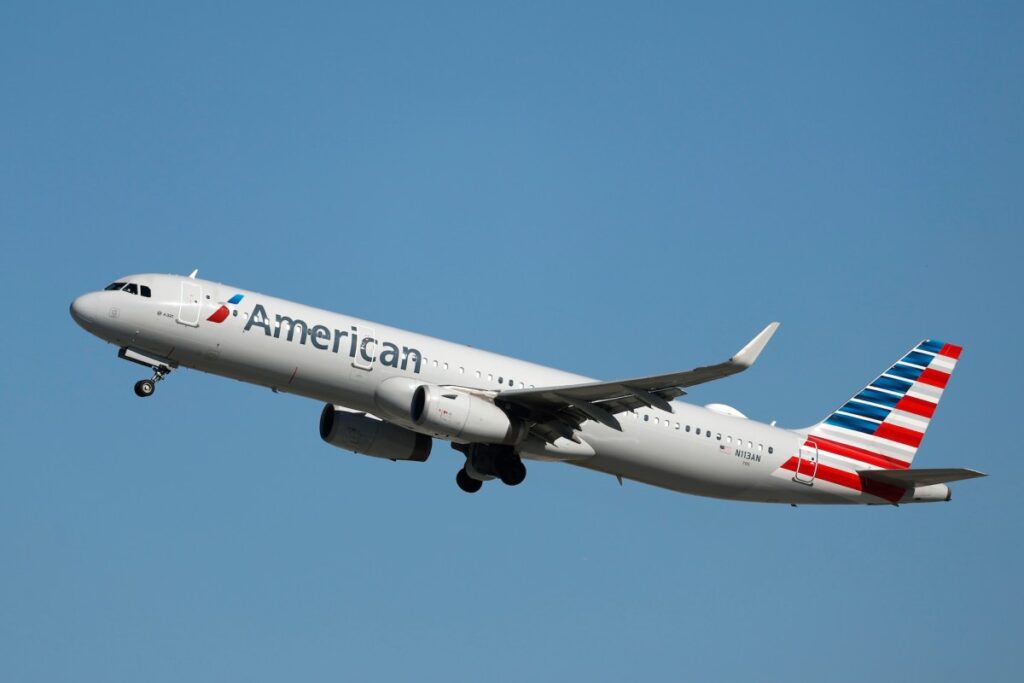
Table of Contents
A High-Altitude Pivot for American Airlines
American Airlines announced Tuesday a significant overhaul of its cabin connectivity, committing to install Starlink hardware across more than 500 narrow-body Airbus aircraft starting early next year. The move marks a decisive shift toward Low Earth Orbit (LEO) satellite technology, aiming to replace the often-spotty, high-latency connections that have long plagued the passenger experience.
The rollout will specifically target the airline’s newest fleet additions, including the Airbus A321XLR and A320neo. Notably, Boeing aircraft are excluded from this particular agreement, suggesting a phased approach or a strategic technical limitation tied to the current hardware integration process for narrow-body frames.
LEO vs. GEO: The Technical Edge
For years, aviation Wi-Fi relied on geostationary (GEO) satellites. While these satellites cover vast areas, they orbit roughly 22,000 miles above Earth, creating a noticeable lag (latency) that makes video calls or gaming nearly impossible. Starlink’s constellation operates in LEO, orbiting significantly closer to the surface. This reduces the distance data must travel, resulting in speeds and latency that closely mimic home broadband.
This technical advantage is why American Airlines is joining an accelerating list of carriers. SpaceX’s IPO registration filings from last week reveal a growing roster of partners, including United Airlines, Southwest, Qatar Airways, Lufthansa Group, and British Airways. By securing American Airlines—one of the world’s largest carriers—Starlink is effectively commoditizing high-speed air connectivity, making it a baseline expectation rather than a premium luxury.
Strategic Timing and the IPO Horizon
The timing of this contract is hardly accidental. SpaceX is currently preparing for a highly anticipated IPO, projected for next month, which analysts suggest could be one of the largest in history. While the Falcon 9 and Starship programs capture the headlines, Starlink is the engine driving the company’s actual revenue growth.
By aggressively capturing the aviation and maritime sectors, SpaceX is diversifying its revenue streams beyond individual consumer subscriptions. This enterprise-level scaling provides a critical valuation metric for potential investors: the ability to lock in long-term, high-volume corporate contracts.
The Competitive Landscape
The deal also serves as a preemptive strike against emerging competitors. Amazon’s Project Kuiper is working toward a similar LEO constellation, and legacy providers like Viasat are fighting to maintain their grip on the market. However, SpaceX’s first-mover advantage—driven by its own internal launch capabilities—has allowed Starlink to deploy hardware and prove the technology in real-time while competitors are still in the testing or launch phase.
For American Airlines, the investment is as much about passenger retention as it is about technology. In an era where digital nomads and business travelers demand seamless connectivity, the “airplane mode” frustration has become a significant pain point. Transitioning to a LEO-based system is a direct attempt to eliminate that friction.
The rollout begins in early 2025, leaving the industry to watch whether this creates a domino effect that forces the remaining Boeing-heavy fleets to accelerate their own connectivity upgrades to remain competitive.


