American Airlines Bets on Starlink for Narrow-Body Fleet as SpaceX Preps for Historic IPO
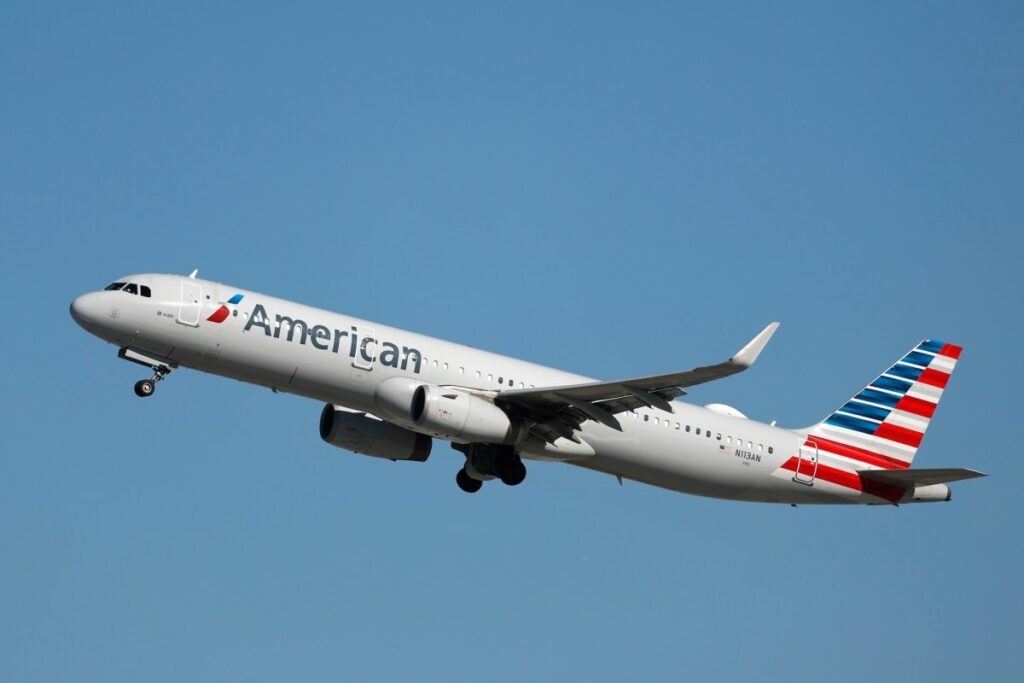
Table of Contents
A Shift in the Skies
American Airlines announced Tuesday that it is integrating Starlink’s low Earth orbit (LEO) satellite service across more than 500 of its narrow-body Airbus aircraft. The rollout, scheduled to begin early next year, represents a strategic pivot for the carrier as it seeks to resolve one of the most persistent pain points for modern travelers: unreliable, sluggish inflight Wi-Fi.
The agreement specifically targets the airline’s newer Airbus A321XLR and A320neo models. Notably, the deal does not extend to the carrier’s Boeing fleet, leaving a curious hardware divide in the American Airlines cabin. For passengers, the shift means a move away from traditional geostationary satellites—which orbit at roughly 22,000 miles and often suffer from high latency—to SpaceX’s constellation of satellites orbiting just a few hundred miles above the surface. This proximity allows for the kind of low-latency speeds that make video conferencing and streaming viable at 35,000 feet.
The Battle for the Cabin
This partnership isn’t just a win for passenger experience; it’s a significant tactical victory for SpaceX in an increasingly crowded enterprise market. For years, legacy providers like Viasat and Intelsat dominated the aviation sector through long-term, rigid contracts. However, Starlink’s ability to deploy hardware rapidly and provide superior throughput has forced a market correction.
American Airlines joins an expanding roster of adopters, including United, Southwest, and Qatar Airways. According to SpaceX’s own recent IPO registration filings, the company has aggressively penetrated the aviation and maritime sectors, leveraging its vertical integration—where SpaceX builds the rockets that launch the Starlink satellites—to undercut competitors on both cost and deployment speed.
The move puts additional pressure on Amazon’s Project Kuiper. While Amazon is racing to launch its own LEO constellation, SpaceX is already capturing the high-value enterprise contracts that will define the next decade of connectivity. By locking in major carriers now, Starlink is creating a moat of hardware installation that will be difficult for late-comers to displace.
Financial Momentum and the IPO Horizon
From a corporate finance perspective, the American Airlines deal serves as a critical validation metric for SpaceX. While the Falcon 9 and Starship programs capture the public imagination, Starlink is the primary engine of recurring revenue for the company. The ability to scale enterprise contracts demonstrates that Starlink is more than a consumer ISP for rural homes; it is a global infrastructure play.
This momentum arrives at a pivotal moment. With a highly anticipated IPO projected for next month—which analysts suggest could be the largest in history—SpaceX needs to prove that Starlink can sustain high-margin growth independently of government launch contracts. Proving the scalability of the “aviation-as-a-service” model provides the kind of predictable cash flow that public market investors crave.
As the rollout begins in early 2025, the industry will be watching closely to see if Starlink can maintain its performance benchmarks across a fleet as massive as American’s. If successful, the transition from traditional satellite internet to LEO may happen much faster than the legacy aerospace industry anticipated.


