American Airlines Bets on Starlink for Narrow-Body Fleet, Adding Fuel to SpaceX’s IPO Momentum
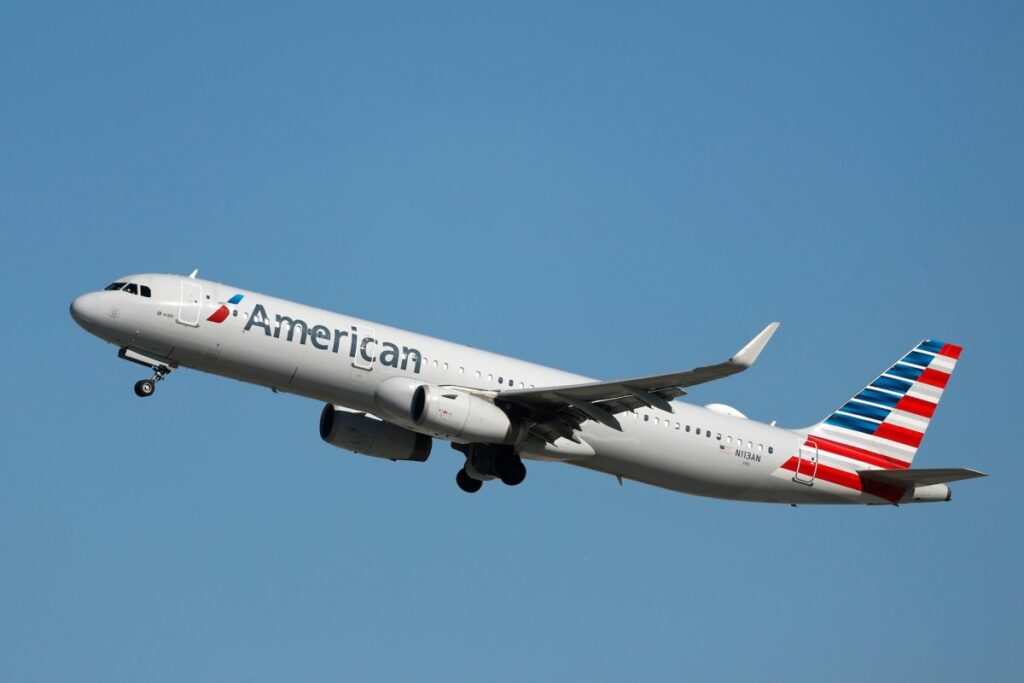
Table of Contents
A Strategic Shift in the Skies
American Airlines announced on Tuesday a sweeping agreement to integrate SpaceX’s Starlink internet service across more than 500 of its narrow-body Airbus aircraft. The rollout, scheduled to begin early next year, marks a decisive move by the carrier to abandon legacy connectivity solutions in favor of low Earth orbit (LEO) satellite technology.
The agreement specifically targets the airline’s newest fleet additions, including the Airbus A321XLR and A320neo models. Notably, American’s Boeing fleet remains excluded from this particular phase of the rollout, suggesting a phased approach to hardware integration that prioritizes the efficiency and modern architecture of the Airbus narrow-body series.
For passengers, the transition represents more than just a brand change. Traditional in-flight Wi-Fi typically relies on geostationary satellites (GEO) orbiting roughly 22,000 miles above Earth. This distance creates inherent latency—the lag time that makes video calls nearly impossible and web pages sluggish. Starlink’s constellation, operating in LEO at altitudes between 340 and 1,200 kilometers, drastically reduces this latency, enabling high-bandwidth activities like streaming and gaming at 30,000 feet.
The High-Stakes Battle for Orbit
This deal is a critical tactical win for Elon Musk’s satellite venture. While SpaceX is widely recognized for its Falcon 9 and Starship rockets, Starlink is the engine driving the company’s actual cash flow. By securing American Airlines, Starlink is effectively locking out competitors who are fighting for the same enterprise market.
The most looming threat comes from Amazon’s Project Kuiper, which is racing to deploy its own LEO constellation. Legacy providers like Viasat and Intelsat are also feeling the pressure, as airlines realize that the “good enough” connectivity of the last decade is no longer acceptable to a passenger base that expects the same speeds in the air as they do in their living rooms.
American Airlines joins a growing roster of early adopters. According to SpaceX’s recent IPO registration filings, the company has already established partnerships with United Airlines, Southwest Airlines, Qatar Airways, and the Lufthansa Group. The cumulative effect is the creation of a “network effect” in the skies; as more carriers adopt Starlink, the infrastructure for ground-to-air handoffs becomes more robust and reliable.
Financial Gravity and the IPO Horizon
Beyond the technical specifications and passenger experience, the American Airlines contract serves as a powerful signal to Wall Street. SpaceX is currently preparing for a highly anticipated IPO, projected for next month, which analysts suggest could be the largest in history.
Investors are looking for proof that SpaceX can scale Starlink from a niche consumer product for rural homes into a diversified enterprise powerhouse. A contract of this scale—covering 500+ aircraft—demonstrates a repeatable, high-margin B2B revenue model. It transforms Starlink from a speculative venture into a utility provider for the global aviation industry.
The timing is precise. By announcing a major corporate victory just weeks before the public offering, SpaceX is not just selling shares; it is selling the narrative of inevitable dominance in the global communications infrastructure. If Starlink becomes the default standard for aviation, the valuation of the parent company will no longer be tied solely to the success of Mars missions or government launch contracts, but to the monthly recurring revenue of the global traveler.


