AMD Brings the RX 9070 GRE to Global Markets as RDNA 4 Mid-Range Push Begins
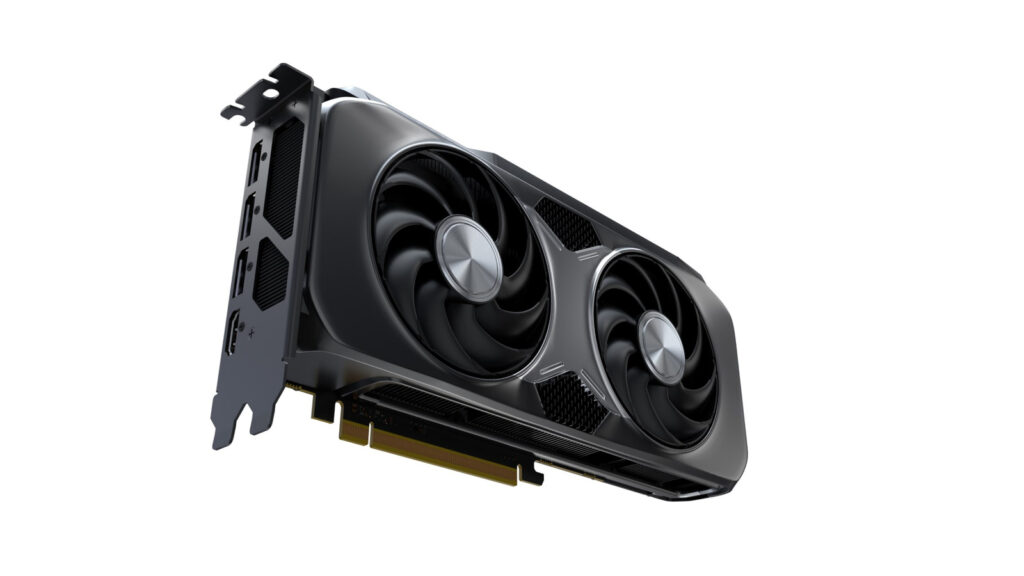
Table of Contents
A Strategic Pivot to the Mid-Range
AMD has officially expanded its graphics portfolio with the global launch of the Radeon RX 9070 GRE. While the card first appeared in the Chinese market last year—branded as the “Golden Rabbit Edition”—its arrival in North American and European markets signals a concerted effort by AMD to secure a foothold in the highly competitive 1440p gaming segment.
Priced at $549, the RX 9070 GRE arrives at a precarious moment for the GPU market. For years, the “sweet spot” for gamers has been a balance between raw rasterization performance and an affordable price point, a gap that AMD is betting the RDNA 4 architecture can fill more efficiently than previous iterations.
RDNA 4 and the AI Integration
Under the hood, the RX 9070 GRE isn’t just a rebranded version of existing silicon. Built on the RDNA 4 architecture, the card introduces significant refinements to AI compute acceleration and next-generation ray tracing. These hardware-level improvements are designed to mitigate the performance dips typically seen when enabling complex lighting effects in modern titles.
A critical component of this release is the full integration of Fidelity FX Super Resolution 4.1 (FSR 4.1). Unlike earlier versions of FSR, which relied heavily on spatial and temporal upscaling, the 4.1 iteration leverages the enhanced AI cores of RDNA 4 to deliver a cleaner image with fewer artifacts, bringing AMD closer to the visual fidelity of NVIDIA’s DLSS ecosystem.
The card is equipped with 12GB of VRAM, which, while not industry-leading, is sufficient for the vast majority of 1440p titles. However, it does raise questions about longevity in an era where some AAA titles are beginning to exceed 10GB of VRAM usage at high settings.
The Market Vacuum and NVIDIA’s Shadow
The global rollout of the GRE (often colloquially referred to as the “Great Radeon Edition” in Western marketing circles) comes at a time when the competitive landscape has shifted. NVIDIA, while still the dominant force in consumer GPUs, has seen its corporate focus drift heavily toward the data center. With over 90 percent of NVIDIA’s recent revenue growth driven by H100 and B200 AI chips, their focus on the mid-range gaming market has occasionally felt secondary.
AMD is attempting to capitalize on this. By offering a card that focuses specifically on the gamer rather than the AI researcher, the RX 9070 GRE positions itself as a pragmatic choice for builders who want high-refresh 1440p gaming without paying the “AI tax” often associated with top-tier RTX cards.
Performance vs. Positioning
In internal benchmarking and early reports, the RX 9070 GRE acts as an iterative polish of the standard RX 9070. It retains the core strengths of the series—strong raw throughput and efficient power draw—while tightening the performance curve for ray-traced workloads.
| Specification | RX 9070 GRE Detail |
|---|---|
| Architecture | RDNA 4 |
| MSRP | $549 |
| VRAM | 12GB GDDR6 |
| Upscaling Support | FSR 4.1 |
| Target Resolution | 1440p |
The challenge for AMD remains the software ecosystem. While RDNA 4 hardware is formidable, the adoption of FSR 4.1 across game engines will determine if the RX 9070 GRE can actually outpace its rivals in real-world scenarios. For now, the $549 price point makes it one of the most competitive options for users migrating from aging RX 5000 or RTX 20-series hardware.


