Amazon’s New Fire TV Stick HD Hits India: A Tactical Play for the Mid-Range Market
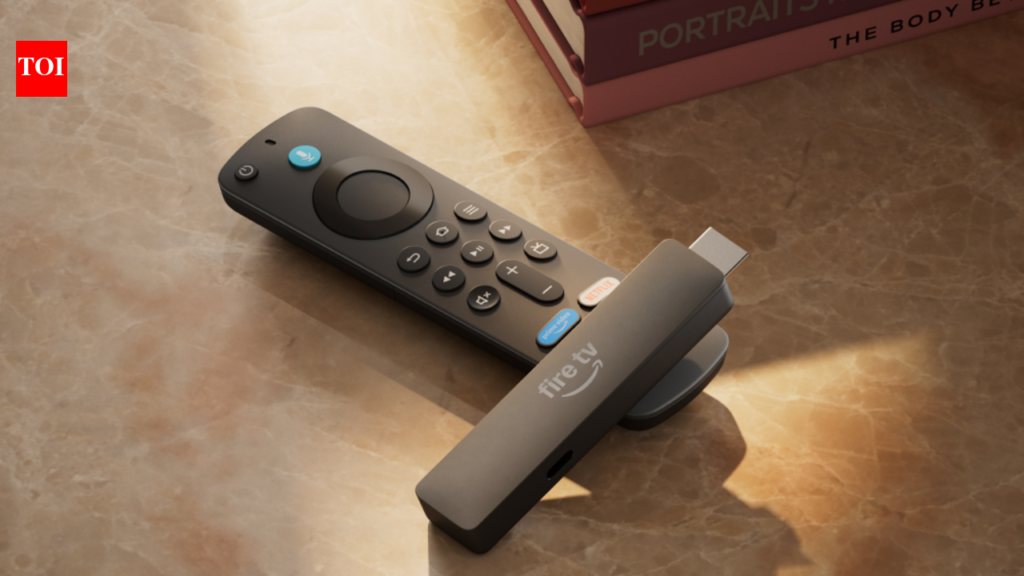
Table of Contents
Amazon targets the ‘good enough’ segment with latest hardware push
Amazon has officially expanded its streaming portfolio in India with the launch of the Fire TV Stick HD. While the tech enthusiast crowd has long been chasing 4K and Dolby Vision, Amazon is pivoting toward a massive, underserved segment of the Indian market: users who still rely on 1080p televisions but want a smarter, faster interface than the clunky built-in software provided by budget TV manufacturers.
The Fire TV Stick HD isn’t trying to disrupt the high-end home cinema market. Instead, it is a strategic move to lock more households into the Amazon ecosystem, ensuring that Alexa remains the primary voice interface for smart home control and content discovery in the living room. By pricing the device aggressively, Amazon is directly challenging the dominance of Xiaomi’s Mi Box and Google’s Chromecast variants, which have historically held a strong grip on the mid-range Indian consumer.
Hardware and Performance: Beyond the Resolution
On paper, the “HD” branding suggests a limitation, but the actual utility lies in the processing efficiency. The device supports Full HD resolution (1080p), which remains the standard for a vast majority of budget-to-mid-range LED TVs sold across India. However, the real upgrade is under the hood. Amazon has optimized the Fire OS to reduce the latency that plagued earlier iterations of the budget sticks.
Users can expect a more fluid navigation experience through the home screen, with faster app loading times for heavyweights like Netflix, Disney+ Hotstar, and Prime Video. The inclusion of an improved Alexa Voice Remote allows for localized voice commands, a critical feature given the linguistic diversity and the growing adoption of voice-search in regional Indian languages.
The Ecosystem War: Amazon vs. Google vs. Xiaomi
The launch of the Fire TV Stick HD highlights a shifting battleground in the Indian living room. For years, Android TV (now Google TV) has been the default choice due to its open app repository. Amazon, however, leverages its vertical integration. The synergy between the Fire TV interface and the Amazon shopping app—coupled with the deep integration of Prime Video—creates a frictionless loop that Google cannot easily replicate.
Furthermore, Amazon is betting on the ‘plug-and-play’ nature of the stick over the more complex setup of Android boxes. The Fire TV Stick HD is designed for the user who wants to transform a “dumb” TV into a smart one in under three minutes, without navigating the intricacies of the Play Store or managing external storage.
Pricing Strategy and Market Fit
While Amazon typically uses a tiered pricing strategy, the HD model is positioned to be the volume driver. By keeping the entry price low, Amazon lowers the barrier to entry for first-time smart-home adopters. This is not just a hardware sale; it is a customer acquisition strategy. Every Fire TV Stick sold is a permanent billboard for Amazon Prime and a gateway for Alexa-enabled commerce.
For the average Indian consumer, the choice between 4K and HD is often a non-issue if their hardware doesn’t support the higher resolution. By offering a dedicated HD device, Amazon avoids the “over-spec” trap, providing a product that is perfectly calibrated for the current hardware reality of millions of Indian homes.