Amazon’s E-reader Purge: The High-Stakes Gamble of Jailbreaking Legacy Kindles
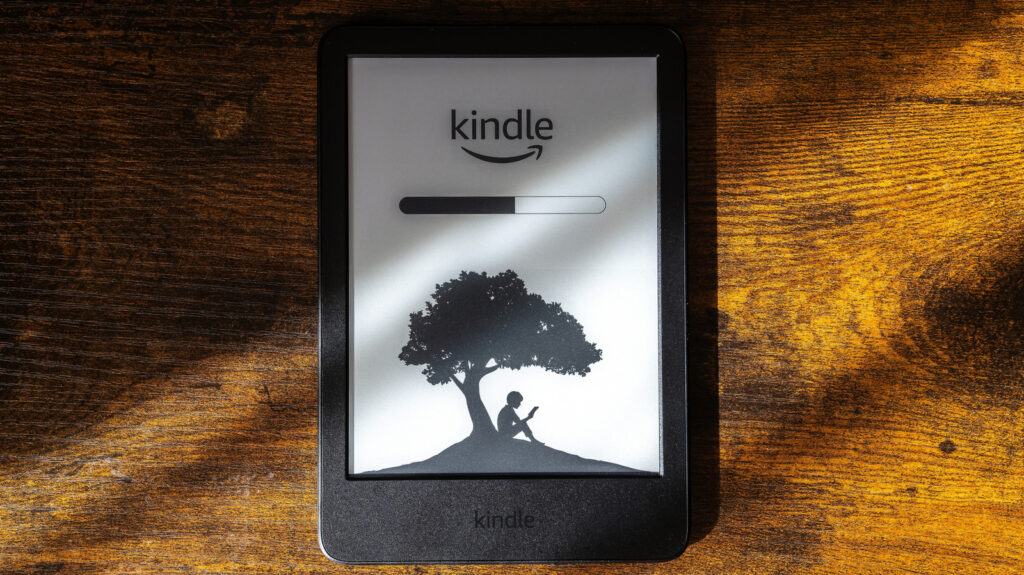
Table of Contents
The Planned Obsolescence of the E-Ink Screen
For users of legacy Amazon Kindle hardware, the digital curtain has finally closed. Amazon has officially discontinued store support for devices released prior to 2013, effectively cutting off the ability to purchase or download new content directly to these units. While the hardware—often praised for its longevity and tactile e-ink quality—remains functional, the software ecosystem has become a walled garden with the gates locked.
This sudden shift in support has sparked a resurgence in the Kindle modding community. Rather than consigning these devices to a desk drawer, a growing number of enthusiasts are turning to jailbreaking to bypass Amazon’s restrictions and restore utility to their devices. However, the gap between a functioning e-reader and a “bricked” slab of plastic is thinner than many realize.
The Technical Trade-off: Control vs. Stability
Jailbreaking a Kindle involves exploiting vulnerabilities in the device’s firmware to gain root access, allowing the installation of third-party software that Amazon’s signed bootloaders would otherwise reject. While the allure of an open system is strong, the risks are structural. Most modern jailbreaks for legacy Kindles rely on specific firmware versions; attempting to apply a jailbreak to a device that has already been updated to a newer, patched version can lead to catastrophic system failure.
The most immediate danger is “bricking”—a term for when a device becomes completely unresponsive due to corrupted firmware. In the context of Kindles, this often happens during the flashing process. If the power cuts or the wrong binary is uploaded, the device may fail to boot, leaving the user with no way to recover the OS without specialized hardware tools that the average consumer doesn’t possess.
Beyond hardware failure, there is the account risk. Amazon’s Terms of Service strictly prohibit the modification of their proprietary software. While the company rarely hunts down individual hobbyists, the technical possibility remains: a modified device that attempts to sync with Amazon servers could trigger a flag, potentially leading to the revocation of Kindle services for the linked account.
The KOReader Incentive
Why take these risks? For most, the answer is KOReader. This open-source document viewer is the gold standard for modded e-readers, offering a level of customization that Amazon’s native software avoids. KOReader allows users to handle a vast array of file formats—most notably EPUB, which Amazon famously treats with hostility—without needing to convert files through the cumbersome “Send to Kindle” service.
With KOReader, users gain granular control over typography, margins, and PDF reflow, transforming a restricted device into a versatile tool for digital archiving. It effectively decouples the hardware from the Amazon cloud, allowing the Kindle to function as a standalone offline reader powered by local libraries and public domain archives.
Navigating the Modding Minefield
Community consensus on platforms like Reddit and the Kindle Modding Discord suggests that the process is relatively safe, provided the user adheres to a strict “no deviations” policy. Most “bricked” devices reported in modding forums aren’t the result of the jailbreak itself, but of subsequent “tweaks”—such as attempting to modify system fonts or install unstable homebrew plugins that conflict with the core kernel.
For those determined to revive their 2012-era hardware, the rule of thumb is precise version matching. Verifying the exact firmware build before downloading a jailbreak package is the only way to mitigate the risk of a boot loop. As Amazon continues to tighten its grip on the ecosystem, the move toward open-source firmware isn’t just about adding features; it’s a necessary act of digital preservation for hardware that was built to last longer than the software supporting it.


