Amazon Refreshes India’s Budget Streaming Market with New Fire TV Stick HD
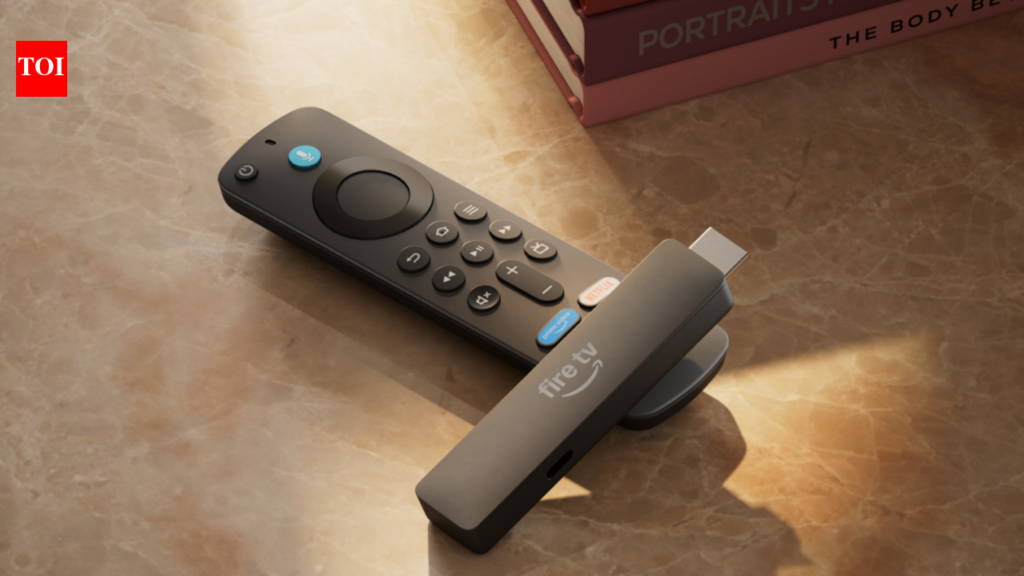
Table of Contents
A Strategic Pivot Toward the Entry-Level Market
Amazon has officially expanded its streaming hardware portfolio in India with the launch of the Fire TV Stick HD. While the industry has largely shifted its focus toward 4K resolution and HDR10+ standards, Amazon is doubling down on the massive segment of the Indian market that still relies on 1080p displays. By introducing a dedicated HD model, the company is attempting to bridge the gap between basic set-top boxes and high-end streaming hubs.
The device arrives at a time when the Indian streaming landscape is becoming increasingly fragmented. With the proliferation of regional OTT platforms alongside global giants like Netflix and Disney+ Hotstar, the demand for a centralized, low-cost interface has surged. The Fire TV Stick HD is designed to slot into this niche, offering the full Fire OS experience without the price premium associated with 4K hardware.
Hardware Capabilities and User Experience
Under the hood, the Fire TV Stick HD maintains the familiar form factor of its predecessors, plugging directly into the HDMI port of any compatible television. While it lacks the higher processing overhead required for 4K upscaling, it utilizes a refined chipset that prioritizes app launch speeds and navigation fluidity. The goal here is latency reduction; Amazon wants users to spend less time watching loading spinners and more time in the content ecosystem.
The device supports full HD (1920 x 1080) output, which remains the standard for a significant portion of LED TVs sold in Tier 2 and Tier 3 Indian cities. It also includes the standard Alexa Voice Remote, allowing users to search for content across various apps using voice commands—a feature that has proven particularly effective in India due to the variety of spoken languages and dialects.
Integration with the Smart Home
Beyond simple playback, the Stick HD acts as a gateway to the broader Amazon ecosystem. Integration with Echo devices allows for synchronized control, and the hardware supports the latest version of Fire OS, ensuring that users receive the same UI updates and feature rollouts as those on the more expensive 4K variants. This parity in software means that budget users aren’t being relegated to a “lite” version of the operating system.
The Competitive Landscape: Xiaomi and Realme
Amazon isn’t operating in a vacuum. In India, the budget streaming space is fiercely contested by Xiaomi and Realme, both of whom have leveraged their aggressive pricing strategies to capture market share. These competitors often bundle their sticks with Google TV, which some users prefer for its deeper integration with the Android ecosystem.
However, Amazon’s advantage lies in its vertical integration. By controlling both the hardware and the storefront, Amazon can offer a more seamless experience for Prime members. The pricing strategy for the HD model is expected to be aggressive, aimed at undercutting mid-range alternatives to ensure that the Fire TV ecosystem becomes the default choice for new smart home adopters.
The launch of the Fire TV Stick HD reflects a broader trend in consumer electronics: the realization that the “bleeding edge” isn’t always where the volume is. For many Indian households, 4K is a luxury they don’t yet need, but a responsive, smart interface for their current TV is a necessity. Amazon is betting that by meeting users where they are, they can lock in long-term loyalty to the Amazon ecosystem.


