The Cord-Cutting Calculus: Navigating the 2026 Live TV Streaming Landscape
As streaming prices climb and carriage disputes persist, we analyze the channel lineups and value propositions of the top vMVPDs in 2026.
The Era of the ‘Streaming Squeeze’
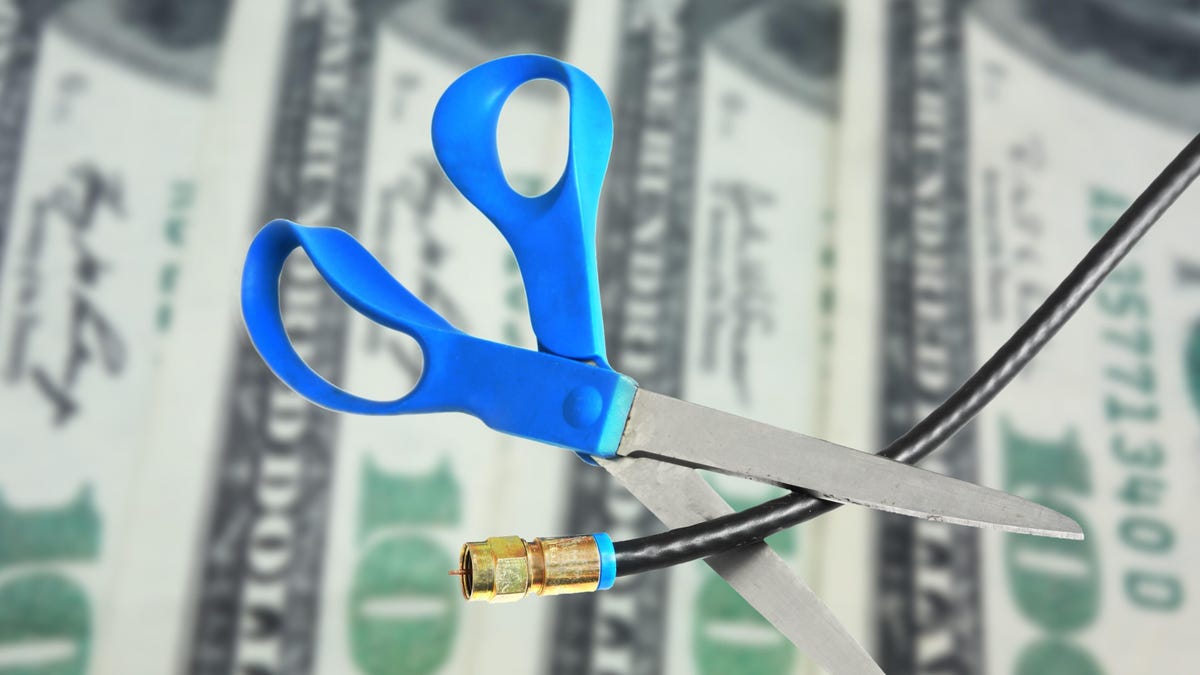
For years, the promise of cord-cutting was simple: ditch the bloated cable contract, save a few hundred dollars a year, and keep the channels you actually watch. But in 2026, the line between traditional cable and virtual Multichannel Video Programming Distributors (vMVPDs) has blurred. With base prices for premium services now hitting the $90 mark, consumers are facing a “streaming squeeze” where the convenience of an app is increasingly matched by the cost of a legacy satellite subscription.
Choosing a service is no longer just about the price tag; it is about a volatile game of carriage disputes and tiered access. Whether you are prioritizing local sports, prestige dramas, or budget-friendly a la carte options, the current landscape is fragmented into several distinct value propositions.
The Heavy Hitters: YouTube TV and Hulu Plus Live TV
YouTube TV continues to hold a strong position as the primary cable replacement for the average household. At roughly $83 per month, it balances a robust channel selection with what remains the industry’s most intuitive cloud DVR interface. While the 4K upgrade is available as an add-on, the actual volume of 4K content remains a bottleneck, limited largely to major sporting events and a handful of select networks.
Hulu Plus Live TV, however, is playing a different game. Now priced at $90 per month for its base package, it is one of the most expensive entries on the market. Hulu justifies this premium by bundling the entire Disney ecosystem—including Disney+ and ESPN—into the subscription. For households that already pay for these separate apps, the value proposition shifts. Hulu’s advantage isn’t just the live feed, but the massive on-demand library featuring prestige hits like The Bear and Shōgun, and the addition of unlimited DVR with fast-forwarding capabilities to bring it to parity with its rivals.
Budget Alternatives and the Local Station Gap
For those unwilling to cross the $80 threshold, Sling TV remains the most flexible, albeit restrictive, option. In 2026, Sling has refined its Blue package pricing based on local network availability. Users without local stations start at $46 per month, but those with access to NBC or Fox see that cost climb to $50, with three or more local stations pushing the price to $55. This tiered approach highlights the growing cost of regional broadcasting rights.
Philo has pivoted toward a more bundled strategy to remain competitive. Its new “Essential” plan at $25 per month targets the minimalist, while the $33 “Bundle” plan aggressively integrates HBO Max, Discovery Plus, and AMC Plus. By bundling these high-value SVOD services, Philo is attempting to capture users who want a curated set of cable channels alongside the biggest streaming libraries.
Stability and the Carriage Conflict
Fubo continues to position itself as the sports-first alternative, though it is currently navigating the precarious waters of carriage disputes. An ongoing standoff with NBCUniversal has left a notable gap in its channel lineup. While Fubo has proactively lowered monthly costs to appease affected subscribers, it serves as a reminder that no streaming service is immune to the corporate tug-of-war over broadcasting fees.
Meanwhile, DirecTV has successfully transitioned its signature experience to a streaming-first model, though its entry point remains steep at $90 per month plus fees. For those who want a traditional cable experience without the physical box, DirecTV offers a stability that budget services like Sling cannot match, albeit at a cost that may lead some users to consider “skinny bundles” offered by YouTube TV and Fubo instead.
Related News
Related Articles

Hisense Targets Indian Gaming Market With E8S Mini-LED Series Starting at ₹57,990
Hisense expands its ULED portfolio in India with the E8S Mini-LED series, featuring a 144Hz refresh rate and Devialet-tuned audio starting at ₹57,990.

The Protocol That Broke Hollywood: 25 Years of BitTorrent
From a mailing list post to a global phenomenon, we explore how Bram Cohen's BitTorrent protocol bypassed the legal traps that killed Napster and changed the internet forever.

Quality Over Quantity: How Apple TV+ is Winning the Streaming War via the ‘HBO Model’
While Netflix and Disney+ pivot toward reality TV and interactive hubs, Apple TV+ is doubling down on prestige storytelling. We analyze their current slate and the 'HBO-style' strategy.
Comments (0)