The First American Pope: Leo XIV’s Philadelphia Return and the Politics of Religious Liberty
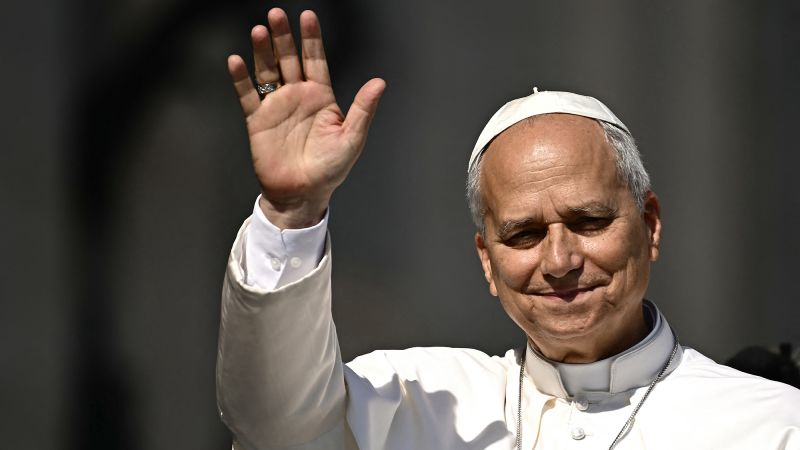
Table of Contents
A Historic Convergence in Philadelphia
On the eve of the United States’ 250th anniversary, the intersection of global religious authority and American civic identity is manifesting in Philadelphia. Pope Leo XIV, the first American-born pontiff, is set to take center stage in a city that serves as both his academic alma mater and the birthplace of the nation’s foundational documents.
The visit centers on the formal acceptance of the Liberty Medal, awarded by the National Constitution Center. Situated directly across from Independence Hall—the site where the Declaration of Independence was signed—the Center utilizes the medal to honor individuals who have demonstrated exceptional courage in securing the blessings of liberty globally. For Leo XIV, the recognition stems from a career dedicated to the promotion of religious freedom and conscience, a mandate that takes on new weight given the current polarized climate of the United States.
Bridging the Local and the Universal
The appointment is not merely a diplomatic gesture but a homecoming. While the Pope hails from Chicago, his ties to the Philadelphia region are deep, rooted in his time as an undergraduate at Villanova University. This connection creates a narrative bridge between a local academic history, an American national story, and the global reach of the Holy See.
“It made sense to connect a Philadelphia story, an American story, and a global story,” noted Vince Stango, interim president and CEO of the National Constitution Center and a fellow Villanova alumnus. The logistical choreography of the event began in April with a private presentation at the Vatican, but the public culmination in Philadelphia is designed to resonate with a domestic audience seeking unity during the Sestercentennial celebrations.
Navigating Political Friction
The papacy of Leo XIV has not been without its frictions. Observers have noted periodic flare-ups between the Pope and President Donald Trump, particularly during the first year of Leo’s papacy which coincided with the second term of the Trump administration. These tensions highlight the delicate balance the first American Pope must maintain: acting as a global moral arbiter while navigating the complex internal politics of his home country.
Despite these clashes, academic perspectives suggest the Pope has largely functioned as a stabilizing force. Michael Moreland, University Professor of Law and Religion at Villanova, describes the Pope as a “conciliatory figure” who can serve as a source of pride and unity for American Catholics and the broader public, even amid profound national division.
The Theology of Freedom
In preliminary remarks shared during the private Vatican ceremony, Pope Leo XIV explicitly linked Catholic social teaching with the Enlightenment ideals of the American founders. By citing the Declaration of Independence’s claim that all men possess fundamental rights granted by a Creator, the Pope is framing religious liberty not as a legal concession from the state, but as a divine prerogative.
Reverend Paul Galetto of St. Paul Parish in South Philadelphia, who has known the Pope since his days as Robert Prevost, suggests that the upcoming address may not be entirely diplomatic. Galetto anticipates “powerful statements” regarding freedom that could provoke a strong reaction from various political factions. As the ceremony prepares to include a multi-faith gathering of Philadelphia clergy, the event is positioned as a litmus test for whether a shared commitment to “liberty” can still bridge the gap in a fractured American social landscape.