Netflix Pivots Toward ‘Consumable’ Horror With New Cloud Gaming Experiment ‘Unhinged’
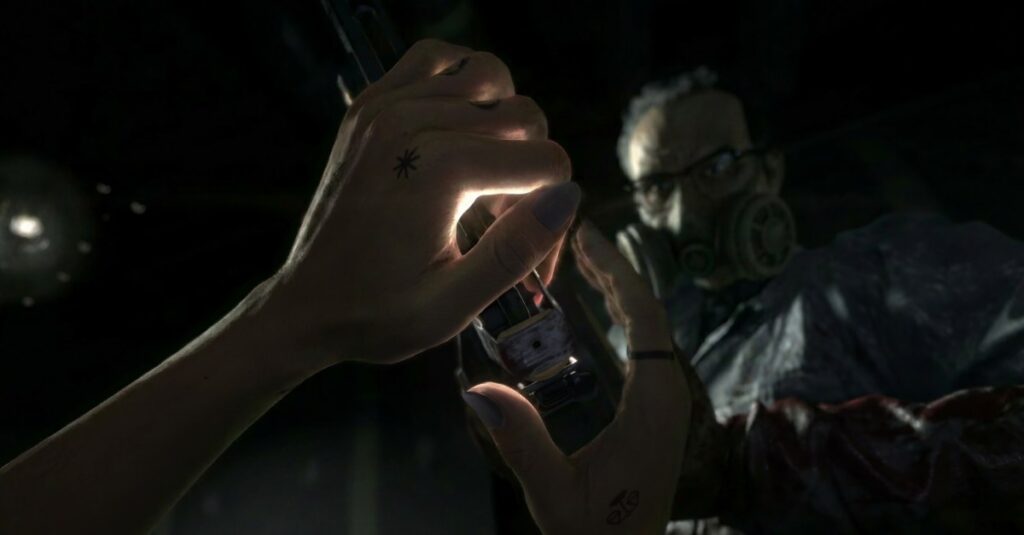
Table of Contents
A New Direction for the Living Room
For the past few years, Netflix’s foray into gaming has felt like a collection of appetizers—light, breezy, and largely safe. From trivia games to a somewhat dated iteration of FIFA, the service’s cloud-based TV offerings have prioritized accessibility over intensity. However, the streaming giant is about to pivot toward something significantly darker.
Launching June 30, Unhinged represents a strategic shift in how Netflix envisions gaming on the big screen. Developed by Night School Studio—the team responsible for the critically acclaimed Oxenfree and a Black Mirror tie-in—Unhinged is not a traditional game, but an interactive horror experience designed to bridge the gap between a cinematic movie and a first-person thriller.
The Smartphone as a Diegetic Tool
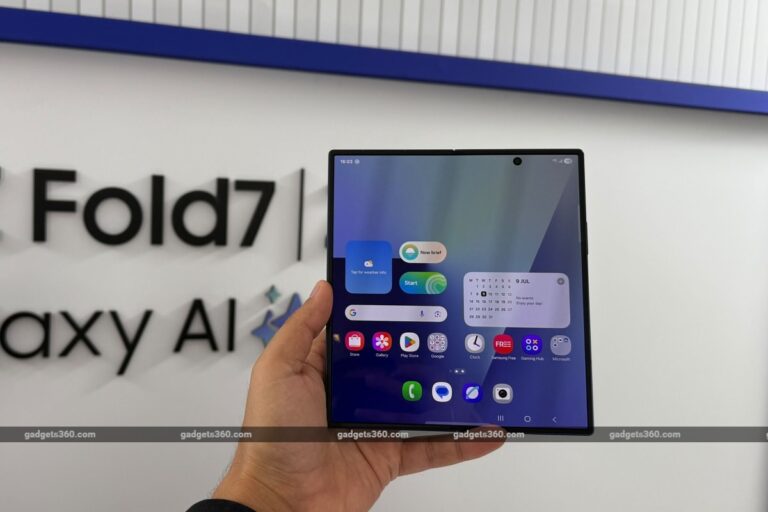
The most distinct technical achievement in Unhinged is its integration of hardware. While most Netflix TV games use the smartphone as a basic remote, Unhinged treats the device as a ‘diegetic’ object—meaning the phone in your hand is the same phone the protagonist, Ava, is holding in the game.
Players use their physical device to control a flashlight, scanning the environment to spot escape routes and interactable items. The phone also serves as the primary communication hub, receiving calls from characters voiced by a high-profile cast, including Zoë Kravitz, Sadie Sink, and veteran voice actor Troy Baker. By removing the abstraction of a traditional controller, Night School Studio has created a tighter feedback loop between the player’s physical actions and the on-screen tension.
The Art of Subtractive Design
The path to the final version of Unhinged was not linear. According to Night School cofounder Sean Krankel, the project began two years ago as a more conventional horror title. However, the team discovered that the friction of traditional gaming mechanics—such as manual aiming, inventory management, and complex dialogue trees—clashed with the viewing habits of a streaming audience.
Krankel describes the refinement process as “subtractive.” The team stripped away direct character control and complex UIs, which they found felt too much like a simulation (comparing early builds to the density of Microsoft Flight Simulator). Instead, they opted for a “theme park ride” approach. Players guide Ava by pointing their light in specific directions before a timer expires, ensuring the pacing never drags and the tension remains constant.
Gaming as a Shared Spectacle
Beyond the mechanics, Unhinged is an experiment in duration and social dynamics. The entire experience lasts less than an hour, a decision driven by Netflix’s desire to create “consumable” content that can be completed in a single sitting. This lean structure is a luxury afforded by the subscription model; without the need to justify a standalone retail price tag, the studio was free to prioritize a short, high-impact burst of adrenaline over longevity.
This brevity also transforms the game into a communal activity. While only one person holds the “phone” (the controller), the experience is designed for an audience. The resulting tension—where observers shout directions and panic alongside the player—mimics the social experience of watching a horror movie, positioning cloud gaming not just as a solo activity, but as a living-room event.