Samsung Bets on ‘AI Soccer Mode’ to Drive Mid-Year TV Sales with Aggressive Hardware Bundles
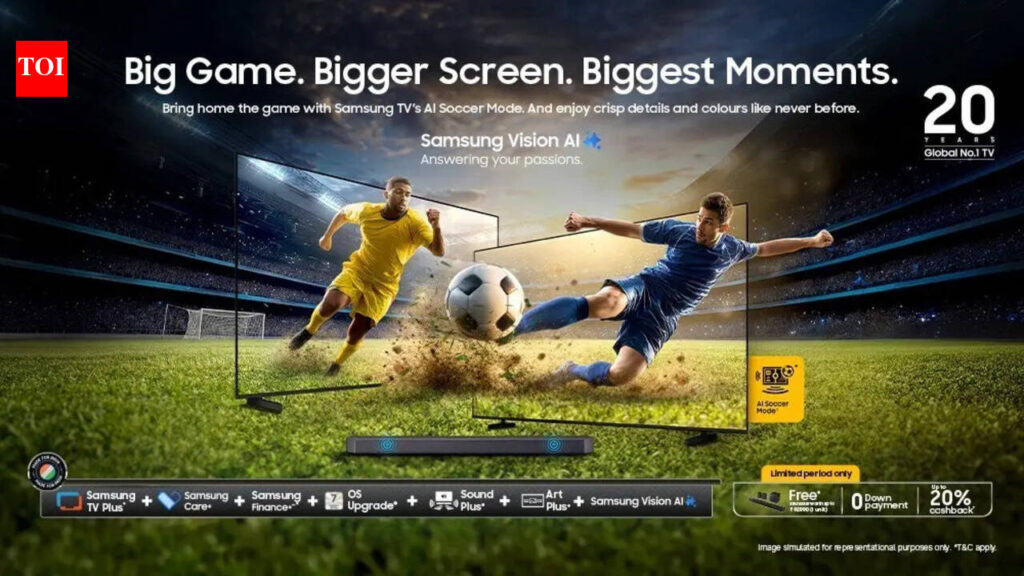
Table of Contents
Engineering the Perfect Pitch: Samsung’s New AI Strategy for Sports
Samsung is leaning heavily into the intersection of generative AI and live sports broadcasting with the launch of its latest “AI Soccer Mode” integrated into its 2026 television lineup. Rather than relying on traditional static presets, the new system uses real-time neural processing to analyze the geometry of the pitch and the movement of the ball, dynamically adjusting contrast and motion smoothing to reduce the “ghosting” often seen in high-speed football matches.
The core of this update lies in the proprietary AI processor, which identifies the specific grass textures and player jerseys to optimize color saturation. This ensures that the green of the pitch remains consistent across various lighting conditions—from the harsh midday sun of an open-air stadium to the artificial glow of a night game—preventing the washed-out look that frequently plagues standard HDR settings during live streams.
Beyond the Screen: The Hardware Bundle Strategy
Recognizing that visual fidelity is only half the battle, Samsung is pairing these AI-enhanced displays with a strategic hardware push. To incentivize upgrades, the company is offering a complimentary soundbar with the purchase of select high-end models, including the Neo QLED and QD-OLED series. This move is a clear attempt to lock users into the Samsung ecosystem, as the soundbars utilize “Q-Symphony” technology to synchronize with the TV’s built-in speakers for a more immersive stadium-like atmosphere.
The promotional rollout is further bolstered by a series of aggressive cashback deals and trade-in incentives. By lowering the barrier to entry for their flagship panels, Samsung is positioning itself to capture the market ahead of major global sporting events, where the demand for larger, smarter screens typically spikes.
Analyzing the Technical Trade-offs
While the “AI Soccer Mode” promises a more fluid experience, it highlights a persistent tension in the display industry: the balance between motion interpolation and natural movement. Some purists argue that aggressive AI motion smoothing can create the “soap opera effect,” making live sports feel artificial. Samsung claims to have mitigated this by implementing a variable refresh rate that adapts specifically to the velocity of the ball, rather than applying a blanket smoothing filter to the entire frame.
Furthermore, the integration of AI-driven audio means the TV can now recognize the difference between a commentator’s voice and the roar of the crowd, prioritizing dialogue clarity while maintaining the bass-heavy rumble of the stadium. This level of semantic audio processing is a significant leap from previous iterations of “Sports Mode,” which simply boosted treble and bass indiscriminately.
As competition from LG and Sony intensifies in the OLED space, Samsung’s pivot toward software-driven “experience modes” suggests that the hardware spec war is plateauing. The new battleground isn’t just about nits of brightness or black levels, but about how AI can fundamentally change the way a viewer perceives a live event from their couch.