Apple Cuts the Cord on Intel: macOS 27 ‘Golden Gate’ Leaves Legacy Hardware Behind
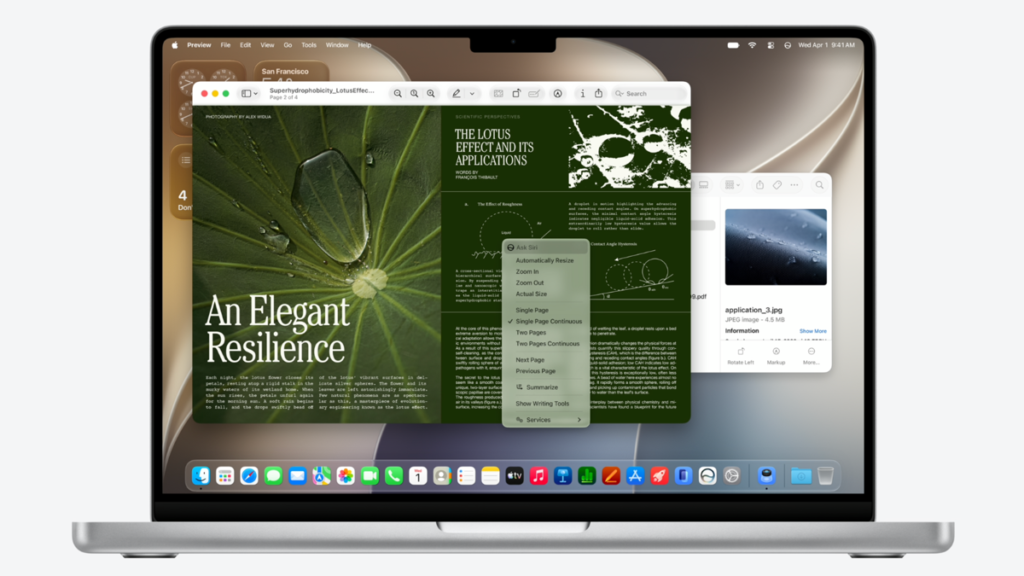
Table of Contents
The End of the Transition Era
Apple has finally closed the book on the Intel era. During the opening keynote of WWDC 2026 on Monday, the company unveiled macOS 27, internally codenamed “Golden Gate,” making it explicitly clear that the operating system is now an M-series exclusive. While the company had previously signaled that macOS 26 would be the final release for Intel-based machines, this latest announcement formalizes the divide, effectively turning millions of legacy MacBooks, iMacs, and Mac minis into “vintage” hardware in terms of software capabilities.
The move isn’t merely a matter of hardware age, but of architectural necessity. The headline features of macOS 27—centered around a rebuilt Siri and an expanded suite of Apple Intelligence tools—rely heavily on the Neural Engine (NPU) integrated into Apple Silicon. By stripping away Intel support, Apple can optimize the kernel specifically for its own ARM-based architecture, removing the overhead required to maintain compatibility with x86 processors.
What ‘Golden Gate’ Brings to the Table
Beyond the compatibility shake-up, macOS 27 introduces “Liquid Glass,” a refined evolution of the system’s visual language. The design shift focuses on deeper customization, allowing users to tweak transparency and blur effects that were previously locked behind system defaults.
However, the real story is the AI integration. The next-generation Siri assistant is no longer just a voice trigger but a system-wide agent capable of executing complex workflows across apps. These capabilities, along with new child safety tools and advanced privacy controls, are restricted to devices with M1 chips or newer. This creates a tiered experience within the ecosystem: while some older M-series Macs will run the OS, the most compute-intensive AI features may still see performance variances between an M1 and the latest M4 or M5 iterations.
The Hardware Fallout
For users still clinging to a 2019 or 2020 Intel MacBook Pro, the situation is now stark. While these machines can currently run macOS 26, they have hit a hard ceiling. According to Apple’s official documentation, the list of compatible devices for macOS 27 starts strictly with the M1 chip.
This leaves Intel owners in a precarious position. While Apple typically provides security updates for two to three years after a device loses OS support, the lack of access to the latest software means these machines will quickly become incompatible with new versions of third-party apps and browser standards. The “security update window” is a safety net, not a viable long-term strategy for professional workflows.
Deployment Timeline
The rollout follows Apple’s traditional developer-first cadence. Members of the Apple Developer Program can download the first beta of macOS 27 starting today. A wider public beta is expected to launch next month, serving as a testing ground for edge-case bugs before the general release this fall.
As the ecosystem converges fully on Apple Silicon, the pressure on the secondary market for Intel Macs is expected to spike, likely driving down resale values as the utility of those machines diminishes in a world governed by AI-driven operating systems.