Kobo Breaks the Kindle Walled Garden with StoryGraph Integration
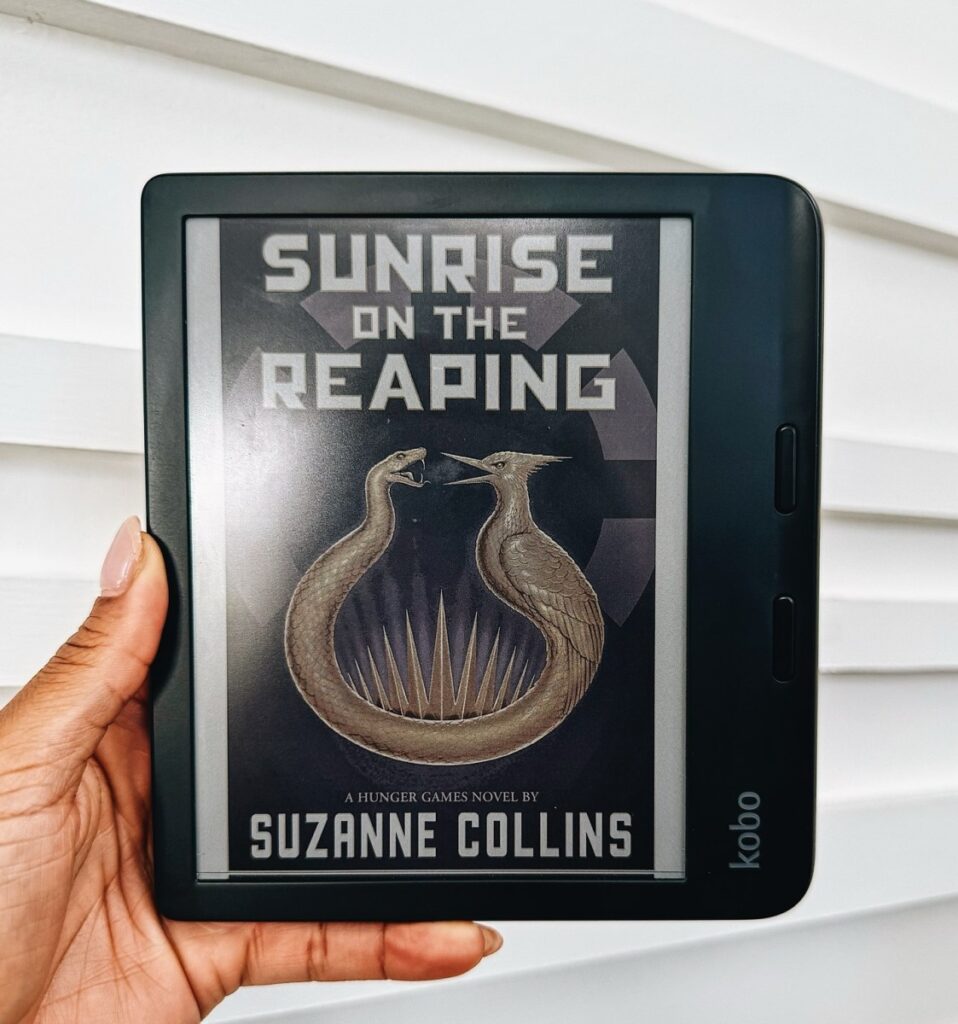
Table of Contents
A Crack in the Amazon Monolith
For years, Amazon has maintained a strategic stranglehold on the digital reading experience by tethering the Kindle hardware ecosystem to Goodreads, the world’s largest social cataloging site for books. This vertical integration created a powerful “moat”: if you wanted the seamless experience of automatically marking a book as read or tracking your progress in real-time, you essentially had to stay within the Amazon ecosystem. That friction was the primary barrier preventing rival reading trackers from gaining mass adoption.
That barrier just got significantly lower. Rakuten Kobo has officially launched an integration with StoryGraph, a data-driven reading tracker and community platform. The move allows Kobo users to automatically sync their reading progress, marking titles as “Read” the moment they are finished on their device. This is the first time a major e-reader manufacturer has integrated directly with StoryGraph, providing a direct challenge to the Kindle-Goodreads pipeline.
Moving Beyond the ‘Social’ Catalog
While Goodreads functions primarily as a social network for book reviews and lists, StoryGraph has carved out a niche by focusing on the mechanics of reading. Founded in 2019 by engineer Nadia Odunayo and CTO Rob Frelow, the platform treats reading as a data set. Instead of just showing who else read a book, StoryGraph provides users with detailed analytics on reading pace, “moods” (e.g., emotional or atmospheric descriptors), and page-count trends.
For the 12 million Kobo users across 190 countries, this integration removes the tedious manual entry of progress. Whether reading an e-book or listening to an audiobook through Kobo’s apps, the data now flows seamlessly into StoryGraph. This appeals to a growing demographic of “power readers” who have migrated away from Goodreads due to its aging interface and lack of deep analytical tools.
The ‘BookTok’ Effect and the Digital Reading Pivot
This partnership arrives amid a broader cultural shift in how people consume literature. The rise of #BookTok on TikTok and a general revival of reading habits among Gen Z and Millennials have turned book tracking into a form of digital identity. According to data from Pew Research, e-book adoption in the U.S. has nearly doubled since 2011, with roughly 31% of adults reporting they read an e-book in the past year.
Kobo is positioning itself as the “open” alternative to Kindle, and this integration is a key part of that strategy. By partnering with an independent, boot-strapped company like StoryGraph—which grew to 5 million users without traditional outside VC funding—Kobo is signaling that it values a diverse, decentralized ecosystem over a closed loop.
The Competitive Landscape
The race for the “digital bookshelf” is heating up beyond just Kobo and Amazon. Recent movements suggest a trend toward consolidating community and commerce. For instance, the startup Everand recently acquired Fable, a digital book community, to offer similar tracking integrations. While Everand lacks the dedicated hardware that Kobo provides, the trend is clear: the modern reader wants their data to follow them across devices and platforms.
The integration is available now for all Kobo account-based content. While the basic sync is free, StoryGraph offers a “Plus” subscription for $5 per month, which unlocks advanced filters, custom charts, and deeper comparison tools for those who want to treat their reading list like a professional portfolio.