Digital Diplomacy and Maritime Data: The High-Stakes Tech War Behind the US-Iran Standoff
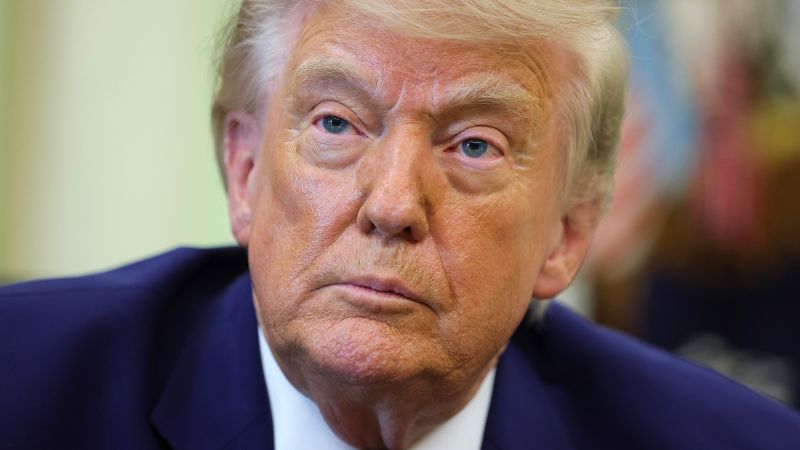
Table of Contents
The Doha gambit and the silence of Tehran
President Donald Trump has announced that the United States will engage in a fresh round of negotiations with Iranian representatives in Doha this Tuesday. The announcement comes amid a fragile truce, described by US officials as an agreement to “stand down for now,” following a series of escalatory strikes over the weekend that threatened to dismantle existing ceasefire frameworks. However, the diplomatic optics remain asymmetrical; while the White House is projecting a path toward stability, Tehran has yet to officially confirm its participation in the talks.
This diplomatic friction is mirrored in Lebanon, where the ceasefire between Israel and Hezbollah has proven largely performative. Despite recent agreements, fighting persisted throughout the weekend, complicating the broader regional architecture. Iran has leveraged this instability by demanding a total Israeli withdrawal from Lebanese territory as a non-negotiable prerequisite for a comprehensive final deal with the US.
The data-driven shift in the Strait of Hormuz
While the public focus remains on diplomatic cables and military strikes, the most revealing developments are appearing in the telemetry of global shipping. The Strait of Hormuz—the world’s most critical oil chokepoint—has seen a modest uptick in marine traffic over the last 36 hours. For those monitoring the region through Automatic Identification System (AIS) data and satellite imagery, the shift is not just in volume, but in geography.
A growing number of commercial vessels are now opting for routes that hug the Omani coast, effectively bypassing the most contested waters controlled by Iranian naval assets. This shift in logistics is a direct challenge to Tehran’s primary geopolitical lever: the ability to disrupt the flow of global energy. By diversifying the physical paths of transit, shipping conglomerates and their insurers are utilizing real-time tracking technology to mitigate the risk of Iranian intervention.
Algorithmic risk and the new maritime reality
The move toward the Omani coast reflects a broader trend in “algorithmic logistics,” where shipping companies no longer rely solely on traditional naval escorts but on a synthesis of real-time intelligence and predictive risk modeling. When AIS data shows a cluster of vessels diverging from the standard deep-water channels, it signals a collective loss of confidence in the stability of the primary corridor.
This digital migration of traffic reduces the efficacy of “blockade diplomacy.” If the global fleet can dynamically reroute based on live telemetry, the threat of closing the Strait becomes less of a strategic weapon and more of a logistical nuisance. The intersection of satellite surveillance and maritime software is essentially rewriting the rules of engagement in the Persian Gulf, turning a physical chokepoint into a data-management problem.
The fragility of the ‘Stand Down’
The reliance on these technical workarounds highlights the profound lack of trust between the negotiating parties. The US strategy appears to be one of “containment through technology,” using superior surveillance and logistics to insulate the global economy from the volatility of the Doha talks. Meanwhile, the persistent clashes in Lebanon serve as a reminder that digital signals and diplomatic promises are often secondary to the realities of ground-level conflict. As the Tuesday meeting in Qatar approaches, the world is watching not just the delegates, but the digital footprints of the tankers moving through the Gulf.