The Pacific Drug Highway: How Global Cartels are Weaponizing Sydney’s Youth
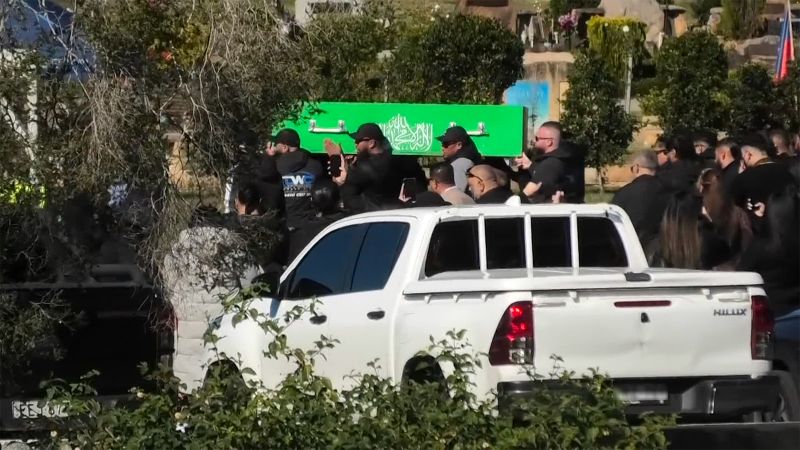
Table of Contents
A Hit in Ho Chi Minh City, a Shockwave in Sydney
The scene in Ho Chi Minh City appeared almost mundane—diners seated at street tables, the humid air of Vietnam filling the bustling thoroughfare—until a shooter emerged from the shadows. The target was Lorenzo Lemalu, a 24-year-old operative for the Coconut Cartel. In a blur of violence, Lemalu was gunned down on the sidewalk, while an associate was left critically wounded on the blood-stained tiles of a nearby restaurant.
While the bullets were fired in Southeast Asia, the catalyst for the assassination was rooted thousands of miles away in the western suburbs of Sydney. This execution is the latest flashpoint in a brutal, transnational conflict for control of the Oceania region, which has quietly become the most profitable cocaine market on the planet.
The Economics of the ‘Pacific Drug Highway’
According to recent data from the United Nations Office on Drugs and Crime (UNODC), the appetite for cocaine in Australia and New Zealand is unprecedented. The 2024 report indicates that 4.2% of the population aged 15-64 in these countries used cocaine—a rate that more than doubles the usage percentages in the United States (1.9%) and Europe (1.7%).
This demand is fueled by a massive price disparity. In Australia, users pay several times more per gram for cocaine and methamphetamine than they do in North American or European markets. For global syndicates, this represents an irresistible profit margin, leading to the establishment of the so-called “Pacific drug highway.” Traffickers are increasingly bypassing traditional routes to Europe, instead shipping massive quantities from South America via a loose network of Pacific Island atolls, including Fiji and the Solomon Islands, before landing in Australian ports.
The Privatization of Violence: ‘Muscles for Hire’
The resulting turf war has turned Sydney’s western suburbs into a geopolitical battleground. At the center of the carnage is the Coconut Cartel, a group that criminologist Vince Hurley of Macquarie University describes as “muscles for hire.” The group reportedly entered a violent feud with the Alameddine crime family after a dispute over payments.
The name “Coconut Cartel” is a deliberate act of defiance, flipping a historic slur against Pacific Islanders from Samoa and Fiji into a brand of intimidation. For these operatives, the media coverage and the fear they instill serve as a form of social currency and validation.
The Recruitment of the Invisible
Perhaps the most disturbing trend identified by law enforcement is the shift in how these hits are carried out. NSW Police Assistant Commissioner Scott Cook has warned that organized crime in New South Wales is now “completely global,” with offshore kingpins orchestrating violence through encrypted channels to avoid detection.
To execute these orders, syndicates are recruiting teenagers. On the eve of Lemalu’s funeral, a 17-year-old gunman fired 30 rounds from a semi-automatic rifle into a planned wake venue. These young recruits are often not loyal to any specific family or cartel; instead, they are lured by the promise of fast cash and the allure of unexplained wealth. Detective Superintendent Jason Box noted that this pool of recruits is diversifying, with 17 and 18-year-old women now being arrested for conducting surveillance and conspiring in murder plots.
As the UNODC notes, the drug trade behaves like a balloon: when enforcement pressures mount in one region, the trade simply expands into another. For the Pacific Islands and the streets of Sydney, that expansion is arriving in the form of unprecedented violence and a new generation of disposable soldiers.