Apple Cuts Ties with Intel: macOS 27 ‘Golden Gate’ Drops Support for Legacy Macs
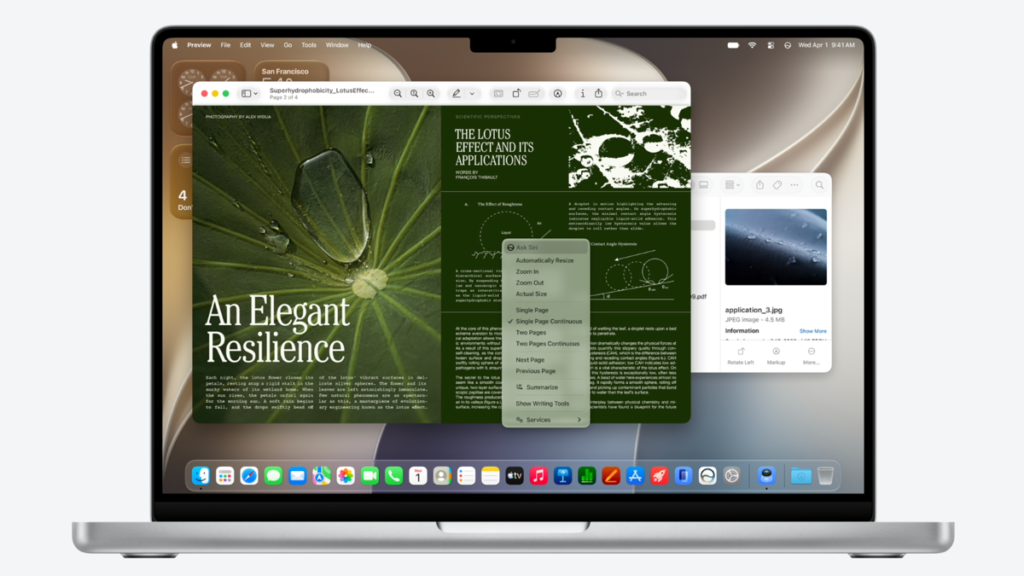
Table of Contents
The Definitive End of the Intel Era
Apple has officially closed the chapter on its partnership with Intel. During the opening keynote of WWDC 2026 on Monday, the company unveiled macOS 27, codenamed “Golden Gate,” marking the first version of the operating system to completely abandon support for Intel-based processors. While Apple had previously signaled that macOS 26 would be the final release for the x86 architecture, the new software ensures that the future of the Mac is exclusively tied to Apple Silicon.
This transition is not merely a matter of hardware compatibility; it is a strategic pivot toward a tightly integrated AI ecosystem. The core of macOS 27 is built around the next-generation Siri AI assistant and an expanded suite of Apple Intelligence features that require the Neural Engine found in M-series chips to function. By removing the overhead of supporting Intel architecture, Apple can optimize the OS for high-performance machine learning tasks that simply cannot be executed efficiently on older CPUs.
What’s New in macOS Golden Gate
Beyond the hardware shift, macOS 27 introduces a significant visual overhaul known as the “Liquid Glass” design. This aesthetic update moves away from the rigid windows of previous versions, offering a more fluid, customizable interface that adapts to user workflows. The design language is paired with a revamped set of child safety tools and deeper integration of the AI assistant into system-level applications.
The most contentious point for users, however, is the threshold for Apple Intelligence. Apple has confirmed that the advanced AI capabilities—including generative text tools and a proactive Siri—will only be available on Mac devices equipped with M1 silicon or newer. This effectively creates a two-tier experience for users: those with M-series hardware who can access the full suite of “Golden Gate” features, and those on legacy hardware who are now frozen in time.
The Compatibility Breakdown
According to Apple’s official documentation released alongside the beta, any Mac with an M1 chip or later is compatible with macOS 27. This includes the entire range of MacBook Air, MacBook Pro, iMac, Mac mini, and Mac Studio models released from late 2020 onward.
For owners of Intel-based MacBooks and iMacs that managed to run macOS 26, the situation is now critical. While these machines will not be bricked and will continue to operate on their current OS, they are now officially cut off from the primary feature pipeline. Apple has stated that these machines will likely receive security patches for approximately two more years to protect users from vulnerabilities, but they will receive no new functional updates or design overhauls.
Timeline for Deployment
The rollout follows Apple’s traditional developer cycle. Members of the Apple Developer Program can download the first beta of macOS 27 starting today. A more stable public beta is expected to arrive next month, allowing a wider group of users to test the “Liquid Glass” interface and AI tools before the general release. The final version of macOS 27 is slated for a global launch this fall, coinciding with the usual hardware refresh cycle.
For those still holding onto an Intel machine, the message from Cupertino is clear: the hardware has reached its limit. The gap in performance and capability between the Intel-based legacy fleet and the M-series ecosystem has finally become too wide for Apple to bridge.