Xiaomi Pushes Battery Boundaries: Redmi K90 Ultra to Debut with Massive 8,550mAh Cell
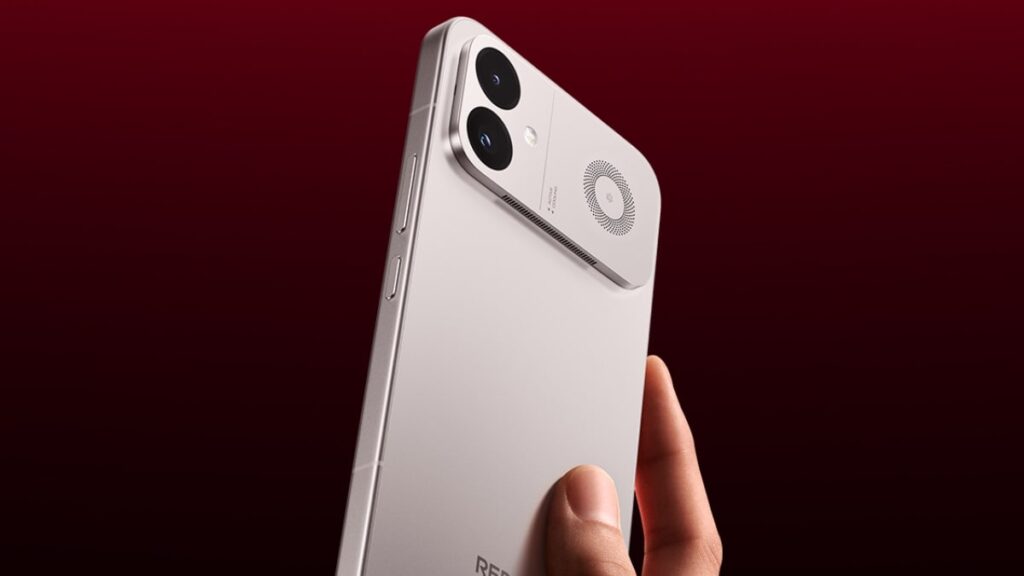
Table of Contents
A New Benchmark for Endurance
Xiaomi is preparing to shift the goalposts for flagship battery life. The upcoming Redmi K90 Ultra, scheduled for a China-exclusive launch later this month, is not just aiming for incremental gains but is attempting a leap in energy density that could make current ‘long-life’ smartphones look obsolete. The centerpiece of this strategy is the introduction of the Xiaomi Jinshajiang battery, a massive 8,550mAh cell that pushes the boundaries of current mobile hardware.
To achieve this capacity without creating an impossibly thick device, Xiaomi is utilizing an advanced silicon-carbon anode chemistry. The company confirmed the battery features 16 percent silicon content, a technical move that allows for higher energy density compared to traditional graphite anodes. This shift is critical; it allows the K90 Ultra to significantly eclipse its predecessor, the Redmi K80 Ultra, which featured a substantial but smaller 7,410mAh battery.
Charging Speeds and Power Management
While the capacity is the headline, the charging infrastructure is designed to keep the device practical. The Redmi K90 Ultra will support 100W wired fast charging. While 100W is common in the Chinese market, the challenge here is the sheer volume of the 8,550mAh cell. Even at peak speeds, filling a battery of this magnitude will take longer than the smaller cells found in competitors like the Samsung Galaxy S-series or the iPhone 16 Pro Max.
Beyond the primary charging loop, Xiaomi is including 22.5W wired reverse charging. This effectively turns the K90 Ultra into a high-capacity power bank for other devices, a feature that becomes genuinely useful when you have over 8,000mAh of overhead to spare.
Performance Beyond the Chipset
On the processing side, the K90 Ultra will utilize a Snapdragon 8-series chipset from 2024. While the SoC (System on a Chip) is a known quantity in the flagship space, recent leaks and tipster reports suggest that Xiaomi has implemented aggressive thermal management and tuning that may allow the K90 Ultra to outperform other Snapdragon-powered flagships in sustained gaming workloads.
High-capacity batteries often act as a thermal sink, and when paired with a refined cooling system, they can prevent the CPU from throttling during intensive tasks. If these claims hold true, the K90 Ultra won’t just be a ‘marathon’ phone for casual users, but a high-performance machine for mobile gamers who typically struggle with heat-induced performance drops in the final stages of a match.
The move signals a broader trend in the industry where ‘Ultra’ branding is moving away from just camera specs and toward total hardware endurance. By combining a silicon-carbon battery with a top-tier Snapdragon chip, Xiaomi is positioning the K90 Ultra as a direct challenge to the notion that you have to choose between a slim design and multi-day battery life.