Microsoft Doubles Down on Premium Pricing with New Snapdragon X2 Surface Lineup
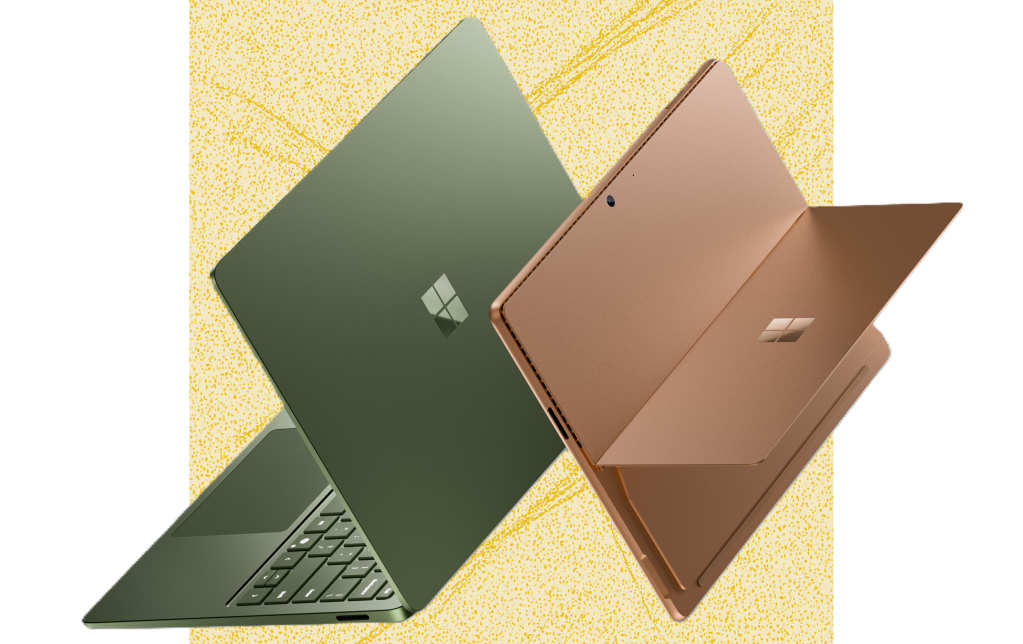
Table of Contents
A Strategic Pivot Toward the High End
For years, the narrative surrounding Microsoft’s Surface line has been a tug-of-war between prestige and value. Critics have long argued that Surface devices charge a premium for hardware that doesn’t always outpace the broader Windows ecosystem. With the rollout of the latest Surface Laptop and Surface Pro models—powered by Qualcomm’s Snapdragon X2 silicon—Microsoft isn’t just ignoring those criticisms; it’s leaning into them.
The pricing shift is stark. The 13-inch Surface Pro now starts at $1,499, a significant jump from the $999 entry point of the 2024 Surface Pro 11th Edition. Similarly, the Surface Laptop (available in 13.8-inch and 15-inch configurations) now begins at $1,599, compared to the previous generation’s $999 starting price. By repositioning these devices, Microsoft is effectively treating the Surface brand as a halo product designed to showcase the peak of Windows-on-Arm capabilities rather than a mass-market volume driver.
Hardware Iterations and the X2 Trade-off
Under the hood, the new Laptops utilize the Snapdragon X2 Plus (10-core) and the Snapdragon X2 Elite (12-core). Notably, Microsoft has bypassed the higher-end 18-core X2 Elite and X2 Elite Extreme variants released by Qualcomm last year. This suggests a calculated decision to prioritize thermal management and battery efficiency over raw peak performance.
While processing cores are capped, Microsoft has improved the storage ceiling. Both the Laptop and Pro now offer removable PCIe Gen 4 SSD options reaching up to 2TB—an upgrade over the 1TB limit of the previous generation. Memory options remain robust, scaling from 16GB up to 64GB. However, when questioned about the viability of 8GB RAM configurations, Brett Ostrum, corporate VP of Surface Devices, remained elusive. While he acknowledged that Microsoft is working to ensure 8GB solutions are viable for the broader OEM ecosystem, he stopped short of confirming any upcoming budget-tier Surface devices.
The Display and Camera Edge
The 15-inch Surface Laptop sees a meaningful density bump, moving from 201 PPI to 262 PPI (3,270 x 2,180). It also integrates Dolby Vision IQ and a peak brightness of 600 nits across both SDR and HDR modes. Meanwhile, the Surface Pro remains largely unchanged from its predecessor, though it retains the high-demand OLED display option.
Microsoft is also capitalizing on a technical advantage in imaging. Both new Laptops leverage MIPI cameras—technology borrowed from the smartphone industry—which allow for faster data transmission and less compression. While the Laptops stick to a 1080p resolution, the Surface Pro steps up to 1440p, a move that aligns with Microsoft’s effort to market the Surface as the gold standard for professional video conferencing.
Performance vs. Real-World Endurance
Microsoft claims a 58 percent increase in graphics performance with the Snapdragon X2. However, this figure requires context. Higher gains were seen in the ‘Extreme’ chips that Microsoft opted not to use. Furthermore, there are lingering concerns regarding thermal throttling; previous Intel-based business laptops from Microsoft saw performance dips during prolonged stress tests due to cooling limitations. Given that the chassis design for the Pro and Laptop remains largely stagnant, it remains to be seen if the X2’s efficiency will solve this or if the hardware will continue to throttle under load.
Battery life claims are equally optimistic, with Microsoft citing up to 20 hours for the 13.8-inch Laptop. Real-world testing on other X2 Elite Extreme hardware, such as the Asus ZenBook A16, suggests a more modest (though still impressive) 13-hour window during active video streaming. This indicates that while Qualcomm is delivering exceptional efficiency, the “20-hour” mark likely reflects very light usage patterns.
Market Positioning and the Budget Gap
Despite the premium push, Microsoft isn’t entirely abandoning the mid-range market. Ostrum hinted that the company is aware of pricing pressures from competitors like Apple’s MacBook lineup and may have “incremental news” regarding lower price point devices in the near future. This could signal the eventual arrival of smaller, more affordable 12-inch or 13-inch variants.
For now, the strategy is clear: use the Surface line to prove that Windows-on-Arm is a viable, high-end alternative to macOS. By bundling incentives—such as free keyboards for Pro users and Arc mice for Laptop buyers through June 30—Microsoft is attempting to soften the blow of the higher MSRP while cementing the Surface as the definitive Copilot+ PC.