AMD’s Ryzen AI 400 Series: A Quiet Pivot Toward Stability Over Peak Performance
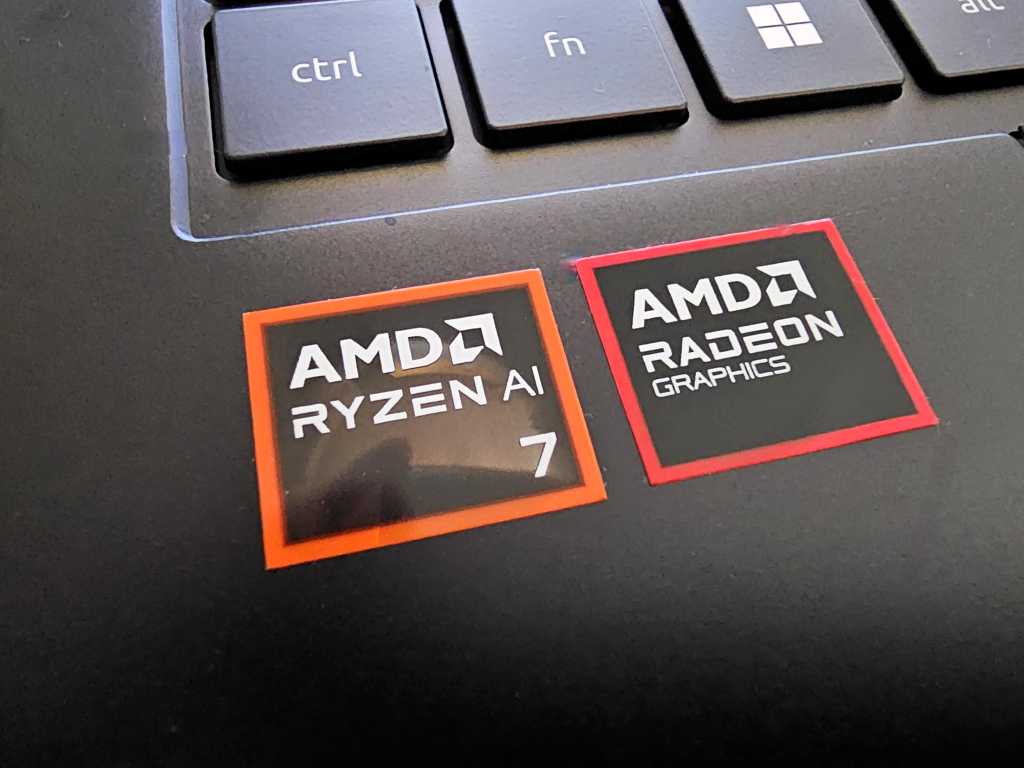
Table of Contents
The New Equilibrium in Silicon
For the better part of a decade, the laptop processor market felt like a predictable duopoly. Intel and AMD traded blows in a cycle of incremental clock speed increases and core count wars. But as we move through 2026, the landscape has fractured into a genuine arms race. Between Intel’s Panther Lake and Wildcat Lake architectures, Qualcomm’s aggressive push with the Snapdragon X2 Elite, and the arrival of Nvidia’s RTX Spark, the consumer’s dilemma is no longer about which brand is better, but which specific trade-off they are willing to accept.
Amidst this noise, AMD’s Ryzen AI 400 series arrived with surprisingly little fanfare. While competitors have spent the last year marketing “revolutionary” shifts in NPU (Neural Processing Unit) capabilities and drastic architecture changes, AMD’s latest offering feels less like a leap and more like a refinement. The Ryzen AI 400 series essentially iterates on the existing foundation of the 300 series, pushing CPU and GPU frequencies slightly higher without fundamentally altering the chip’s DNA.
Field Testing the Acer Swift Go 16 AI
To see if these marginal gains translate to real-world utility, we put the Acer Swift Go 16 AI—powered by the Ryzen AI 400—through a battery of productivity tests. On paper, the machine looks like a standard 16-inch productivity workhorse. In practice, it avoids the dramatic pitfalls that have plagued other 2026 releases.
For instance, Intel’s Panther Lake has shown impressive bursts of speed, but our internal testing revealed a significant thermal ceiling; without top-tier cooling solutions, the chips frequently throttle, leading to a sharp drop in sustained performance. Similarly, the Snapdragon X2 Elite has opted for a “performance-first” philosophy that, while powerful, has noticeably eroded the battery life that made the original X Elite so appealing.
The Ryzen AI 400 takes a different path. Initial benchmarks suggest a performance profile that closely mirrors Intel’s Meteor Lake—positioning it firmly in the midrange. It isn’t designed to shatter records in synthetic benchmarks, but it provides a level of consistency that is often missing in the current generation of AI PCs. The machine doesn’t overheat under moderate multitasking, nor does it drain the battery in a frantic attempt to maintain peak boost clocks.
Bridging the Gap Between AI and Utility
The central question for any “AI PC” in 2026 is whether the integrated NPU actually changes the workflow. While AMD has boosted the frequencies of the Ryzen AI 400, the actual user experience remains grounded in traditional productivity. The chip handles background AI tasks—such as noise cancellation and smart blurring during video calls—with ease, but it doesn’t yet offer a “killer app” experience that justifies moving away from the highly stable Ryzen AI 300 series for most users.
For a creative professional or a developer, the Swift Go 16 AI serves as a reminder that stability is often more valuable than peak theoretical throughput. The lack of dramatic spikes in performance is, ironically, its greatest strength. It creates a predictable environment where the hardware disappears and the focus remains on the software.
The Market Reality
AMD is clearly playing a long game here. By refusing to chase the extreme performance metrics of the Snapdragon X2 or the aggressive clock speeds of Wildcat Lake, they are targeting the massive middle market: users who need a reliable, cool-running machine that can handle the basic requirements of modern AI software without needing a liquid cooling loop or a charger permanently attached.
As we wait for full-scale benchmark data to hit our final review pages, the early verdict on the Ryzen AI 400 is clear: it is a chip built for focus. It won’t win the most prestigious trophies for speed, but in a year defined by volatile performance and thermal struggles, that reliability is becoming a premium feature in its own right.