High-Stakes Diplomacy in Switzerland: US and Iran Clash Over Hormuz Strait Ahead of Nuclear Talks
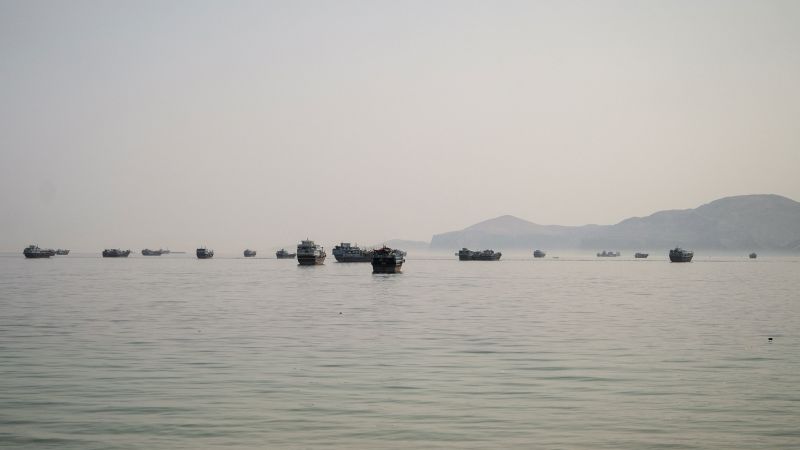
Table of Contents
A Fragile Window for Diplomacy
The diplomatic theater has shifted to Switzerland this weekend as Vice President JD Vance and a high-level Iranian delegation prepare for face-to-face negotiations that could determine the stability of global energy markets and the trajectory of nuclear proliferation in the Middle East. These talks, scheduled for Sunday, mark the first direct engagement between Washington and Tehran since the signing of a 14-point memorandum of understanding, signaling a tentative move toward a structured diplomatic framework.
However, the atmosphere preceding the summit is fraught. Even as the Iranian delegation touched down in Zurich on Saturday night, a dangerous escalation is unfolding in the Strait of Hormuz. Iran has claimed it is closing the vital waterway—a chokepoint for roughly one-fifth of the world’s total oil consumption—in direct response to renewed Israeli airstrikes in Lebanon. The US military has flatly denied Iran’s claim of control over the strait, while President Donald Trump has introduced a volatile new variable into the equation, threatening to impose US-administered tolls on shipping lanes if a comprehensive deal with Tehran is not reached.
The Lebanon Variable
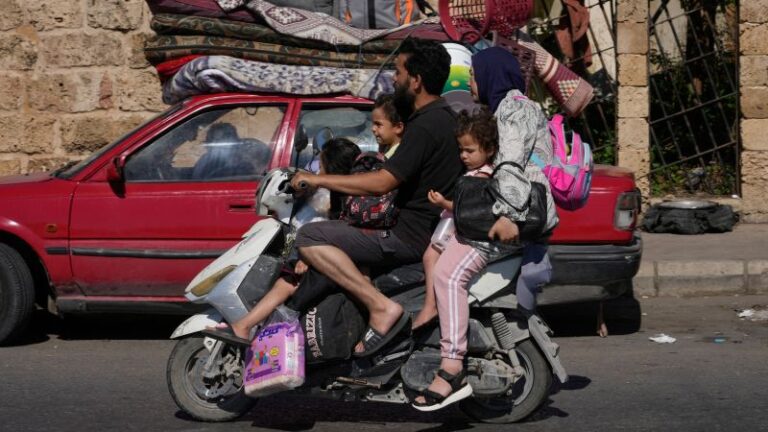
While the long-term objective for the US is the management of Iran’s nuclear materials, the immediate obstacle is the carnage in Lebanon. Despite a nominal truce, Israel and Hezbollah continue to exchange fire, with Israeli strikes resulting in dozens of casualties over the last 48 hours. This violence is not merely a regional side-effect; it has become a central bargaining chip.
An Iranian official told CNN that ending the conflict in Lebanon is the “most important item” on their agenda, suggesting that Tehran may refuse to concede on nuclear issues unless a sustainable ceasefire is reached. The pressure is evident: an emergency session specifically focused on Lebanon has been added to the Swiss itinerary, and will be the first topic addressed. Vice President Vance acknowledged the complexity, stating that the Lebanese situation is one the US will have to “continuously manage” while simultaneously attempting to make progress on the nuclear front.
The Mediators and the Power Players
The composition of the US team suggests a focus on both strategic policy and personal diplomatic channels. Alongside Vance, the delegation includes Jared Kushner and US special envoy to the Middle East Steve Witkoff. This lean, high-profile team is designed to move quickly, with Vance indicating he can only remain in Switzerland for a few days.
Adding a layer of regional complexity is the arrival of Pakistani Prime Minister Shehbaz Sharif and army chief Syed Asim Munir. Pakistan has emerged as a critical bridge between the two powers, operating as a primary mediator since the initial ceasefire announcements. The Pakistani foreign ministry confirmed its commitment to advancing the understandings reached between the two nations, positioning Islamabad as the essential guarantor of the process.
The Strategic Stakes
The clash over the Strait of Hormuz highlights the precarious nature of these talks. By claiming control over the waterway, Iran is reminding the world of its ability to disrupt global commerce, effectively leveraging economic instability to force concessions on the Lebanese front. Conversely, the US threat of “shipping tolls” represents a shift toward a more transactional approach to maritime security.
If the talks succeed, they will establish a new architecture for monitoring Iran’s nuclear capabilities. If they fail, the combination of a closed strait and escalating regional war could trigger a global economic shock far beyond the borders of the Middle East.