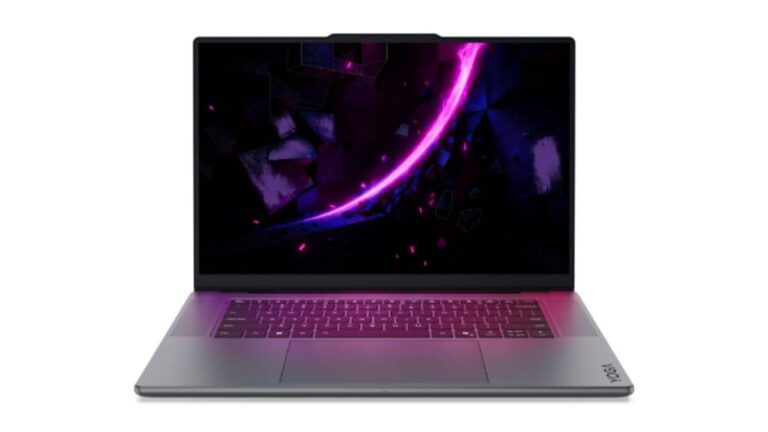
Google Unveils ‘Googlebook’: A Fundamental Pivot from ChromeOS to Gemini-First Hardware
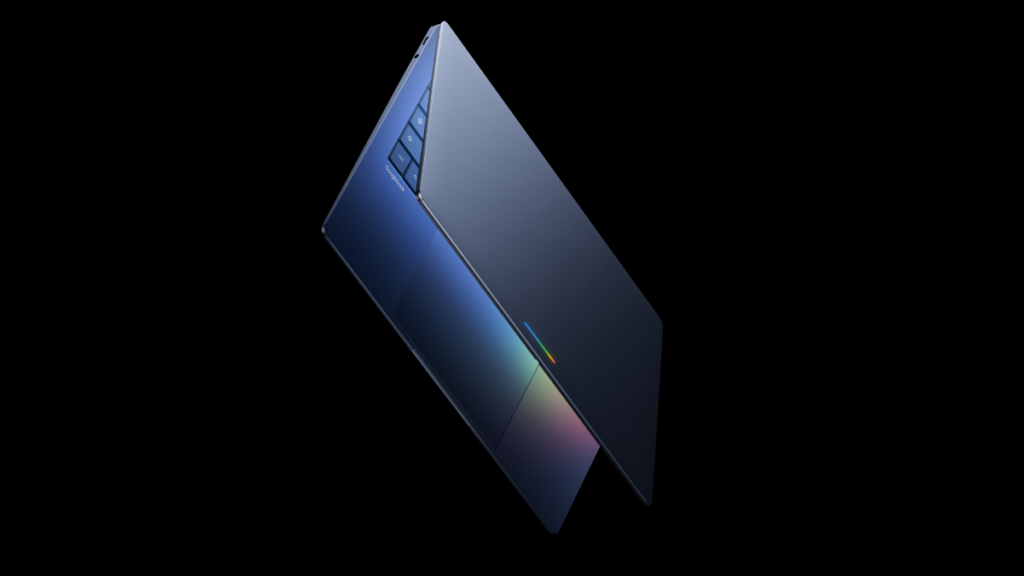
Table of Contents
A Departure from the Cloud-First Era
Google has officially stepped beyond the confines of the Chromebook with the announcement of the Googlebook, a new category of hardware designed to shift the laptop experience from an operating system-centric model to an “intelligence system.” Unveiled during the Android Show: I/O Edition on Tuesday, the Googlebook represents a strategic gamble to capture the burgeoning AI PC market, positioning itself as a direct architectural competitor to Microsoft’s Copilot+ PC initiative.
The move signals a pivot in how Google views personal computing. While Chromebooks were engineered for a cloud-first world—essentially acting as streamlined portals to a browser—the Googlebook is being marketed as hardware built from the ground up for Gemini Intelligence. According to Alex Kuscher, Google’s Senior Director, the company sees a critical window to rethink the laptop form factor as AI transitions from a sidebar assistant to the primary engine of the user interface.
The OS Puzzle: Android, ChromeOS, or Something New?
Perhaps the most intriguing detail of the announcement is the ambiguity surrounding the software. While Google confirmed that Googlebooks will run Android apps—a staple of the modern Chromebook experience—Kuscher explicitly mentioned a “modern OS designed for Intelligence,” rather than naming ChromeOS. This heavily suggests the arrival of Project Aluminum, the long-rumored effort to merge the versatility of Android with the productivity capabilities of ChromeOS into a single, unified kernel.
By decoupling the Googlebook from the legacy ChromeOS branding, Google is likely attempting to shed the “budget” image that has dogged Chromebooks for a decade. The hardware is expected to target a premium demographic, with Google emphasizing “premium craftsmanship” and materials across a variety of form factors.
Magic Pointer and Generative Interface
The centerpiece of the Googlebook experience is the “Magic Pointer.” Unlike a traditional cursor that simply selects pixels, the Magic Pointer utilizes Gemini to interpret the semantic context of whatever is on screen. In a demonstration of the feature, Google illustrated how a user could wiggle the cursor over a date in an email to trigger a calendar invite or drag an image of a piece of furniture onto a photo of a room to instantly generate a composite visualization.
Further pushing the boundaries of the static desktop, the Googlebook introduces a prompt-based widget system. Rather than choosing from a pre-set list of clocks or weather apps, users can use Gemini to “Create your Widget,” essentially describing the data or functionality they want on their home screen and letting the AI build the interface in real-time.
Ecosystem Synergy and Hardware Partners
Google is leaning heavily into its dominance of the mobile market to give the Googlebook an edge. The devices will feature deep Android integration, allowing users to cast apps from their phones to the laptop without installation. A new “Quick Access” layer will also bridge the gap between devices, permitting users to search and manipulate files on their Android handsets directly from the Googlebook desktop.
While detailed technical specifications—such as NPU TOPS or RAM configurations—remain under wraps, Google confirmed a broad coalition of launch partners. The first wave of Googlebooks will be manufactured by Acer, Asus, Dell, HP, and Lenovo. A distinguishing physical trait of the new line is a “glowbar” lightstrip embedded in the lid, serving as both a branding element and a potential visual indicator for AI processing states.
Given the “Featherweight Design” and “Heavyweight Power” marketing language, the industry expects these to be high-end ultraportables. This suggests a price point significantly higher than the typical $300-$600 Chromebook, likely mirroring the $750 to $1,500 range seen in premium AI-enabled laptops today.