Xiaomi India CMO Anuj Sharma Steps Down: A Strategic Shift in the Brand’s Indian Market Play
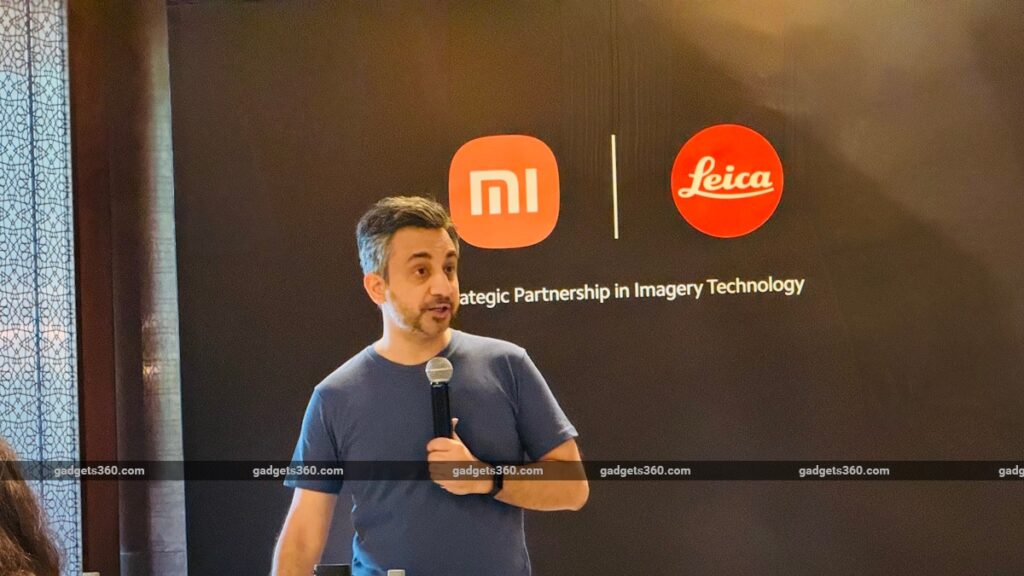
Table of Contents
The Departure of a Marketing Architect
Anuj Sharma, the Chief Marketing Officer (CMO) of Xiaomi India, has officially stepped down from his position after a tenure spanning nearly eight years. In a series of targeted conversations with media representatives this week, Sharma clarified that his exit was not a sudden reaction to market volatility, but rather a calculated decision made some time ago.
Joining the company on November 23, 2018, Sharma arrived at a pivotal moment when Xiaomi was transitioning from a niche disruptor to a mainstream powerhouse in the Indian smartphone ecosystem. His departure marks the end of a consistent era of leadership that saw the brand navigate the complex waters of the ‘value-for-money’ segment while attempting to pivot toward the premium mid-range and luxury categories.
- Planned Transition: Anuj Sharma’s exit was a premeditated decision, not a reaction to current company performance.
- Legacy of Scale: Sharma oversaw a period of aggressive expansion, moving Xiaomi beyond just the Redmi series into a wider IoT ecosystem.
- Market Timing: The shift occurs as Xiaomi faces intense pressure from competitors like Realme, Vivo, and Samsung in the sub-₹20,000 segment.
- Strategic Pivot: The move likely signals a refresh in how Xiaomi intends to market its premium devices and EV ambitions in India.
For those following the trajectory of global tech firms in India, the loss of a CMO who has deep-rooted institutional knowledge is significant. Sharma wasn’t just managing ad spends; he was architecting the ‘Mi Fan’ culture in India, turning a hardware company into a community-driven brand.
The Evolution of Xiaomi’s Indian Footprint (2018–2026)
To understand the weight of Sharma’s exit, one must look at the state of Xiaomi India when he joined in late 2018. At that time, Xiaomi was fighting a war of attrition in the budget segment. The strategy was simple: high specs, aggressive pricing, and flash sales. However, as the market matured, the ‘flash sale’ novelty wore off, and consumers began demanding better after-sales service and brand prestige.
Under Sharma’s tenure, the marketing narrative shifted. We saw the emergence of more lifestyle-centric campaigns and a diversification of the product portfolio. Xiaomi stopped being just a ‘phone company’ and started being an ‘ecosystem company,’ pushing smart TVs, air purifiers, and wearables into Indian living rooms. This transition required a fundamental change in messaging—from technical superiority to lifestyle integration.
The Premiumization Challenge
One of the most difficult tasks Sharma faced was ‘premiumization.’ For years, the Indian consumer associated Xiaomi with the Redmi budget line. Moving the needle toward the Xiaomi series (the premium line) required a total overhaul of brand perception. While the company saw success with high-end models, the shadow of the budget-friendly Redmi series remained a persistent challenge in the eyes of the luxury consumer.
What This Means for Xiaomi India
The departure of a CMO usually precedes a shift in brand direction. While Xiaomi has not officially named a successor or announced a new marketing roadmap, the timing suggests a strategic realignment. We are seeing three primary implications:
1. Refreshing the Brand Voice: After eight years, any brand identity can become stagnant. A new CMO provides the opportunity to pivot the brand voice to appeal to Gen Z and the emerging ‘alpha’ generation, who prioritize sustainability and aesthetic over raw specifications.
2. Preparing for the EV Integration: With Xiaomi’s successful foray into the electric vehicle (EV) market globally (specifically with the SU7 in China), there is a strong likelihood that the company will eventually eye the Indian market. Marketing an EV requires a completely different set of competencies than marketing a smartphone. The company may be looking for a leader with automotive or high-ticket luxury experience.3. Countering the ‘Squeezed Middle’: The Indian smartphone market is currently experiencing a ‘squeezed middle.’ Samsung is reclaiming the mid-range with A-series devices, and Chinese competitors are leveraging aggressive 5G pricing. A new marketing head will need to redefine Xiaomi’s value proposition to prevent churn in the ₹15,000 to ₹30,000 price bracket.Market Dynamics and the Competitive Landscape
The Indian smartphone market in 2025-2026 is drastically different from the one Sharma entered in 2018. According to recent shipment data, the volatility in the mid-range segment has increased as users hold onto their devices longer (the average replacement cycle has increased from 24 to 32 months).
| Metric | 2018 Era (Entry) | 2025 Era (Exit) |
|---|---|---|
| Primary Driver | Raw Specs/Price | Brand Experience/Eco-system |
| Key Competition | Local Assemblers/Early Chinese Brands | Samsung, Vivo, Apple, Realme |
| Distribution Focus | Online Exclusive/Flash Sales | Omnichannel (Retail + Online) |
| Consumer Profile | Tech Enthusiasts | Mass Market Lifestyle Users |
This shift explains why Sharma noted that his decision was made ‘quite some time ago.’ The skill set required to launch a product via a flash sale is fundamentally different from the skill set required to maintain a premium brand image in a saturated 5G market.
The ‘Community’ Moat
One of Sharma’s greatest contributions was the maintenance of the Mi Community. By fostering a sense of ownership among users, Xiaomi created a low-cost acquisition channel. However, as the brand scaled, the intimacy of this community diminished. The next phase of marketing will likely move away from ‘fan-base’ management and toward ‘customer experience’ management, focusing on the lifecycle of the user from purchase to trade-in.
Industry Perspective: The High Turn-Over of Tech CMOs
The exit of a long-term CMO in the tech sector is rarely a sign of failure, but rather a sign of a completed cycle. In the fast-paced consumer electronics world, an eight-year tenure is an eternity. Most executives in these roles rotate every 3-5 years. Sharma’s long stint provided stability during Xiaomi’s most volatile growth phase.
Industry analysts suggest that Xiaomi is now in a ‘maintenance and pivot’ phase. They have the scale; now they need the margin. Higher margins come from premium products, and premium products require a sophisticated, high-touch marketing approach that differs from the volume-driven tactics of the last decade.
FAQ: Understanding the Xiaomi Leadership Change
Why is Anuj Sharma leaving Xiaomi India?
Anuj Sharma stated that he took the decision to move on some time ago, describing it as a personal choice after a long and successful journey with the company. He did not cite any specific conflicts or performance issues.
Will this affect the availability of Xiaomi products in India?
No. A change in marketing leadership does not impact the supply chain, manufacturing, or product release cycles. The operational side of Xiaomi India remains intact.
Who will replace the CMO of Xiaomi India?
Xiaomi has not yet officially announced a successor. The company may either promote from within or look for an external hire with experience in premium electronics or EVs.
How has Xiaomi’s market position changed since 2018?
Since 2018, Xiaomi has evolved from a disruptor focusing on budget phones to a comprehensive ecosystem provider offering everything from tablets and watches to home automation, while fighting for a stronger foothold in the premium segment.
What was Anuj Sharma’s primary impact on the brand?
Sharma is credited with scaling Xiaomi’s visibility in India, managing the transition from online-only sales to a massive retail presence, and building the brand’s community-driven marketing engine.
The Path Forward
As Anuj Sharma exits at the end of the month, Xiaomi India finds itself at a crossroads. The ‘growth at all costs’ era is over. The new mandate is efficiency, brand prestige, and ecosystem lock-in. Whether the company chooses a veteran from the FMCG sector or a digital-native marketing genius, the goal will be the same: evolving the brand from a ‘cheap’ alternative to a ‘smart’ choice.
For the consumers, this transition likely means a change in how they see Xiaomi ads and interact with the brand. Expect less emphasis on ‘mega-sales’ and more on ‘experience-driven’ storytelling. For the industry, it is a reminder that even the most successful growth hacks have an expiration date.