Intel Project Firefly: How ‘Wildcat Lake’ is Redesigning the Budget Windows Laptop
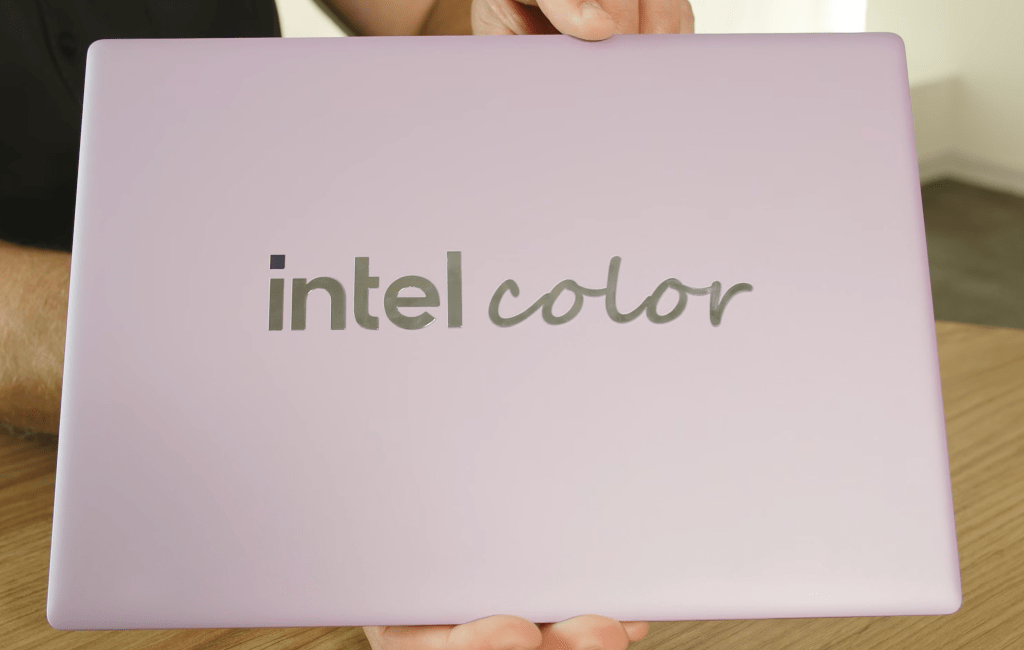
Table of Contents
The End of the ‘Plastic’ Era for Budget Laptops
For years, the budget laptop market has been a compromise. If you wanted a machine under $600, you typically accepted a plastic chassis, loud fans, and a battery that struggled to hit six hours. But Intel is attempting to break this cycle with Project Firefly, a strategic initiative designed to inject premium hardware characteristics into mainstream, affordable Windows devices.
While the industry has been preoccupied with the Apple MacBook Neo’s impact on the entry-level market, Intel has been quietly engineering a shift in how budget PCs are built. Project Firefly isn’t just a set of specs; it is a fundamental reimagining of the ‘mainstream’ laptop, borrowing heavily from the lean, aggressive cost-cutting strategies used in the Chinese smartphone ecosystem to deliver a device that feels expensive but costs significantly less to produce.
- Build Quality: All-metal construction and ventilation-free undersides.
- New Silicon: Powered by the Core Series 3 (Wildcat Lake) architecture.
- Smartphone DNA: Integration of mobile-grade memory and optimized codecs.
- Strategic Goal: Moving away from ‘lowest price’ competition toward ‘highest experience’ value.
According to Sam Gao, Vice President and General Manager of Intel’s software and client product group in China, the initiative began roughly a year ago with a simple question: Why can’t mainstream laptops feel like the premium products Intel produces for the high-end segment?
The Engine of Affordability: Understanding Wildcat Lake
At the heart of Project Firefly is a specific piece of silicon: Wildcat Lake (part of the Core Series 3 family). Unlike the flagship Core Ultra Series 3 (Panther Lake), which targets high-performance AI tasks, Wildcat Lake was engineered from day one to lower the Bill of Materials (BOM) for laptop manufacturers.
A Leaner Architecture
To achieve a lower price point without sacrificing stability, Intel fundamentally changed how Wildcat Lake is constructed. The chip utilizes a 2-performance core, 4-efficiency core, and 2-graphics core configuration. More importantly, Intel abandoned the complex ’tiled’ chip architecture—which offered flexibility but added significant manufacturing costs—in favor of a more streamlined approach based on the internal Intel 18A process technology.
The Shift from Foveros to UCIE
One of the most technical pivots in Wildcat Lake is the removal of the Foveros interconnect. While Foveros is critical for high-end 3D stacking, it is expensive. Intel replaced it with a UCIE (Universal Chiplet Interconnect Express) interconnect, which reduces complexity. Further cost-cutting was achieved by reducing motherboard layers to just six, and potentially moving toward single-channel memory configurations—a move that would have been unthinkable for a ‘premium’ chip five years ago but is now a calculated trade-off for the budget segment.
Borrowing from the Smartphone Playbook
The most disruptive aspect of Project Firefly is Intel’s collaboration with the Chinese tech ecosystem. The smartphone market in China is perhaps the most competitive in the world regarding cost-per-feature. Intel has leveraged this expertise to strip out unnecessary expenses from the PC hardware chain.
The Mobile Memory Pivot
As memory and storage prices spiked in mid-2025, Intel’s engineers looked toward the phone sector. Gao demonstrated a ‘core logic module’ that integrates memory traditionally designed for smartphones rather than PCs. By defining new signals and creating specific interposers, Intel is allowing laptop makers to use cheaper, more abundant mobile memory without sacrificing the system’s ability to function as a full Windows machine.
Thermal Engineering and Aesthetics
Standard budget laptops are often plagued by large, unsightly plastic grilles on the bottom to accommodate basic fans. Project Firefly reference designs eliminate these. Instead, Intel is implementing copper heat piping—a technology usually reserved for gaming rigs—to manage thermals more efficiently in a thinner chassis. This allows for a 12.9mm profile that is all-metal, removing the ‘creak’ and ‘flex’ associated with cheap laptops.
What This Means for the Consumer
The practical implication of Project Firefly is a shift in the value proposition of Windows laptops. For the average student or small business owner, this means the ‘entry-level’ price point no longer mandates a ‘low-end’ feel.
If Intel successfully scales this, we will see a surge of laptops that match the physical footprint and aesthetic of a MacBook Air but maintain the versatility of Windows and a price tag that fits a student budget. By reducing the cost of the silicon (via Wildcat Lake) and the chassis (via smartphone-inspired engineering), Intel is giving OEMs like Dell, HP, Lenovo, Acer, and Asus the margin they need to use aluminum instead of plastic without raising the MSRP.
Strategic Context: From Project Athena to Firefly
This isn’t Intel’s first attempt at defining a segment. In 2019, Project Athena was launched to standardize the ‘premium’ laptop experience, which eventually evolved into the Intel Evo brand. Evo signaled to consumers that a laptop had a certain level of battery life, wake speed, and connectivity.
Project Firefly appears to be the ‘Evo for the masses.’ While Intel has been relatively quiet about Wildcat Lake’s launch—especially compared to the fanfare surrounding Panther Lake at CES 2026—the industry reaction has been loud. Reports from Computex indicate that vendors are aggressively pursuing Wildcat Lake systems, signaling that the B2B demand for high-quality, low-cost machines is immense.
Comparing the New Architecture
| Feature | Traditional Budget PC | Project Firefly (Wildcat Lake) |
|---|---|---|
| Chassis Material | Plastic / Polycarbonate | All-Metal / Aluminum |
| Interconnect | Standard/Tiled | UCIE (Universal Chiplet Interconnect) |
| Memory Type | Standard PC DDR | Mobile-grade / Smartphone memory |
| Cooling | Bottom-vented fans | Copper heat piping / Hidden vents |
| Process Node | Mixed/Legacy | Intel 18A |
Addressing the ‘MacBook Neo’ Pressure
While Sam Gao denied that Firefly was a direct response to the MacBook Neo, the timing is telling. Apple has historically owned the ‘premium-feel-at-every-price-point’ narrative. By moving toward all-metal, thin-bezel, and silent-running machines at the $400-$700 range, Intel is attempting to remove the primary psychological advantage Apple holds over Windows OEMs: the perception of quality.
The Risk of Single-Channel Memory
One point of contention for power users will be the move toward single-channel memory and trimmed-down Thunderbolt iterations. While these moves lower the price, they can create bottlenecks in multitasking. However, for the target audience—students and light office users—the trade-off of a beautiful, durable metal laptop over a plastic one with slightly faster RAM is a bet Intel is willing to make.
FAQ: Project Firefly and Wildcat Lake
What is Project Firefly?
Project Firefly is an Intel initiative to redesign budget and mainstream Windows laptops. It focuses on using smartphone-inspired manufacturing and the Wildcat Lake processor to create affordable laptops that feature premium all-metal builds and high efficiency.
What is the Wildcat Lake processor?
Wildcat Lake is a specific series of chips within the Intel Core Series 3 family. It is engineered specifically for cost-efficiency, utilizing the Intel 18A process and UCIE interconnects to reduce the overall cost of the laptop while maintaining a modern performance profile.
Will these laptops be thinner?
Yes. Intel has showcased reference designs as thin as 12.9mm, achieving this by removing traditional bottom ventilation and using advanced copper heat piping for thermal management.
How does smartphone memory help laptops?
By adapting memory originally designed for mobile phones, Intel can lower the cost of the hardware components, especially during periods when traditional PC memory prices are volatile or skyrocketing.
Which brands will offer Firefly laptops?
Intel has confirmed that major partners including Dell, HP, Lenovo, Acer, and Asus will be integrating Wildcat Lake-based Firefly designs into their future product lineups.
The Bottom Line for the Market
Intel’s strategy with Project Firefly is a calculated gamble on ‘perceived value.’ By focusing on the physical experience—the touch of metal, the lack of fan noise, and the slimness of the device—Intel is attempting to shift the budget conversation away from raw specs and toward industrial design. If the 18A process can deliver the promised cost savings, the era of the ‘cheap-feeling’ budget laptop may finally be coming to an end.