Russian Frigate Admiral Grigorovich Fires Warning Shots at British Yacht: A Breakdown of Maritime Law and Escalation
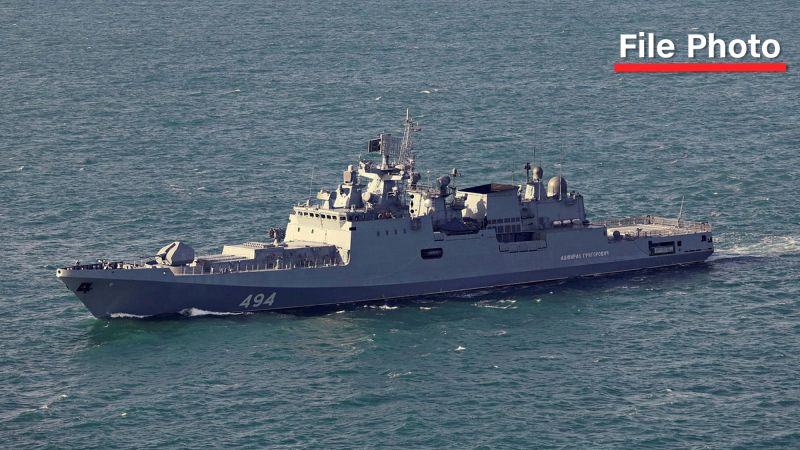
Table of Contents
A High-Stakes Encounter in the English Channel
The English Channel, one of the most densely trafficked shipping lanes globally, became the site of a volatile naval encounter when the Russian frigate Admiral Grigorovich discharged small arms warning shots toward a UK-flagged yacht, the Bright Future. The incident, occurring approximately 20 miles south of the Isle of Wight, has sparked a diplomatic row and raised critical questions about the interpretation of international maritime safety protocols.
- The Event: A Russian frigate fired small arms warning shots at a UK-flagged private yacht in international waters.
- Conflicting Narratives: The yacht crew claims they were not on a collision course; the Russian Ministry of Defense asserts the vessel was on a “dangerous course.”
- Official Reaction: UK Prime Minister Keir Starmer labeled the action “reckless,” though the UK Ministry of Defence (MoD) noted shots were not aimed directly at the vessel.
- Context: The event coincided with the UK military’s first-ever interception of a Russian “shadow fleet” tanker in the same region.
For those on board the Bright Future, the encounter transitioned from a routine sighting to a terrifying confrontation in minutes. Jane and Alan Kelvey, the yacht’s operators, described a sequence of events that suggests a failure in communication and a disproportionate response from the Russian crew. According to Jane Kelvey, the vessel responded to the frigate’s signals by altering course—a standard maritime maneuver to signal awareness and intent—yet the Russian response escalated to gunfire.
Analyzing the ‘Collision Course’ Dispute
At the heart of this incident is the interpretation of COLREGs (International Regulations for Preventing Collisions at Sea). The Russian Ministry of Defense claims the Bright Future was on a “dangerous course” and ignored multiple radio attempts and signal flares. They maintain that when the yacht reached a proximity of 150 meters, the commander of the Admiral Grigorovich was forced to use small arms to prevent a collision.
However, the Kelveys provide a different account. They report that after the frigate sounded five blasts of its horn—the signal for “I am unsure of your intentions” or a general warning—they immediately turned two degrees to port. In maritime navigation, such a clear, deliberate change in heading is the primary method of communicating that a vessel has seen the other and is taking avoiding action.
The Mechanics of Warning Shots
Warning shots are not intended to hit a target but to provide an unmistakable auditory and visual signal of intent. In this case, the use of small arms—likely machine guns or rifles from the deck of the frigate—represents a significant escalation from visual signals (flares) or auditory signals (horns). While the UK Ministry of Defence confirmed the shots were not aimed at the yacht, the psychological impact on civilian sailors remains immense.
“That shouldn’t have happened. It is reckless, and the couple on the yacht must’ve been terrified,” stated Prime Minister Keir Starmer during the G7 summit in France.
What This Means for Maritime Security
This incident is not an isolated piece of naval friction; it is a symptom of a broader, more aggressive posture adopted by the Russian Navy in Western waters. The English Channel is a strategic choke point, and the presence of the Admiral Grigorovich—a guided-missile frigate—serves as both a projection of power and a test of Western naval responses.
For civilian mariners: The incident highlights the danger of operating in proximity to warships during periods of high geopolitical tension. The “shadow fleet” activities—clandestine tankers transporting sanctioned oil—have increased the density of unidentified or poorly regulated vessels in the region, making the environment more unpredictable.
For geopolitical analysts: The timing is critical. The UK’s recent interception of a Russian shadow fleet tanker indicates a more proactive approach by the Royal Navy to disrupt Russian economic loopholes. While officials claim there is no direct link between the tanker interception and the warning shots, the overlapping timelines suggest a heightened state of alert for Russian naval assets in the region.
The Role of the Royal Navy’s Shadowing Operations
It is important to note that the Bright Future was not alone in the area. The HMS Mersey, a Royal Navy offshore patrol vessel, was shadowing the Admiral Grigorovich at the time. This is standard operating procedure for the UK; any foreign warship transiting the Channel is monitored to ensure it does not violate territorial waters or engage in provocative behavior.
The fact that the Royal Navy was present, yet the Russian frigate still felt the need to fire warning shots at a private yacht, suggests a breakdown in the professional “rules of the road” that usually govern naval encounters. Typically, warships communicate via bridge-to-bridge radio to resolve course disputes. The Russian claim that radio attempts went unanswered contradicts the Kelveys’ account of an active, conscious effort to avoid the warship.
Technical Comparison: Frigate vs. Yacht
To understand the disparity in this encounter, one must look at the capabilities of the vessels involved. The Admiral Grigorovich is a Project 11356R frigate, designed for anti-submarine warfare and surface engagements, equipped with advanced radar and weaponry. A private yacht like the Bright Future relies on basic AIS (Automatic Identification System) and visual sightings.
| Feature | Admiral Grigorovich (Frigate) | Bright Future (Yacht) |
|---|---|---|
| Primary Function | Naval Combat / Patrol | Private Recreation |
| Communication | Military-grade encrypted & VHF radio | Standard VHF marine radio |
| Maneuverability | High displacement, slower turn rate | Low displacement, agile turning |
| Sensors | Long-range surface search radar | Basic GPS / AIS |
Given the frigate’s superior radar and monitoring capabilities, the claim that a small yacht posed a genuine collision risk that required gunfire is technically questionable, especially if the yacht was already executing a course change.
Legal Implications of International Waters
The incident occurred 20 miles south of the Isle of Wight, placing it in international waters. In these zones, the “Right of Innocent Passage” applies, but so does the sovereignty of the vessel. Under international law, firing weapons at a civilian vessel without an immediate threat of attack is generally considered a violation of maritime norms. While Russia argues they acted in accordance with regulations to “prevent an incident,” the standard threshold for using weapons is usually much higher than simply avoiding a collision.
The ‘Shadow Fleet’ Connection
The mention of the “shadow fleet” adds a layer of complexity. Russia uses a network of aging, often uninsured tankers to move oil to bypass G7 price caps. These ships often disable their AIS transponders (known as “going dark”). When legitimate naval forces, like the UK military, begin actively intercepting these vessels, the Russian Navy often responds by increasing patrols or conducting “demonstration” maneuvers to signal their displeasure.
Frequently Asked Questions
What are warning shots in maritime terms?
Warning shots are discharges of a weapon into the air or water, not aimed at a target, intended to signal a vessel to stop, change course, or be aware of a danger. They are used as a last resort when communication has failed.
Is it legal for a warship to fire at a civilian boat in international waters?
Generally, no. Under the UN Convention on the Law of the Sea (UNCLOS), warships must respect the safety of civilian navigation. Firing weapons is only permissible in cases of extreme necessity or self-defense. Using them for simple course correction is highly irregular and often viewed as a breach of international norms.
What are COLREGs?
COLREGs stands for the International Regulations for Preventing Collisions at Sea. These are a set of global rules that dictate how ships must behave when they encounter each other, including who has the “right of way” and what signals (horns, lights) must be used.
Who is the Admiral Grigorovich?
The Admiral Grigorovich is a Russian Navy frigate of the Grigorovich class. It is designed for versatility in naval warfare and is frequently deployed to the Mediterranean and Atlantic to project Russian influence.
Why was the UK government concerned about this?
The UK government is concerned because the action was directed at civilians. While naval skirmishes between warships are common in geopolitical tension, targeting or threatening a private UK-flagged yacht is seen as an unacceptable escalation and a risk to civilian life.
Final Assessment of the Encounter
The disparity between the Russian Ministry of Defense’s report and the eyewitness testimony of the Kelveys suggests a narrative designed to justify an aggressive act. The claim that the yacht was “on a dangerous course” is difficult to reconcile with the fact that the yacht had already begun a port-side turn in response to the frigate’s horn.
Ultimately, this encounter serves as a stark reminder of the volatile nature of the English Channel in 2025. As the UK continues to crack down on the Russian shadow fleet and as diplomatic ties remain severed, the risk of “accidental” or “reckless” naval confrontations is likely to increase. The safety of civilian sailors now depends not just on their knowledge of COLREGs, but on the temperaments of the crews manning foreign warships.