Deezer Launches Cross-Platform AI Music Detector as Synthetic Tracks Flood Streaming Services
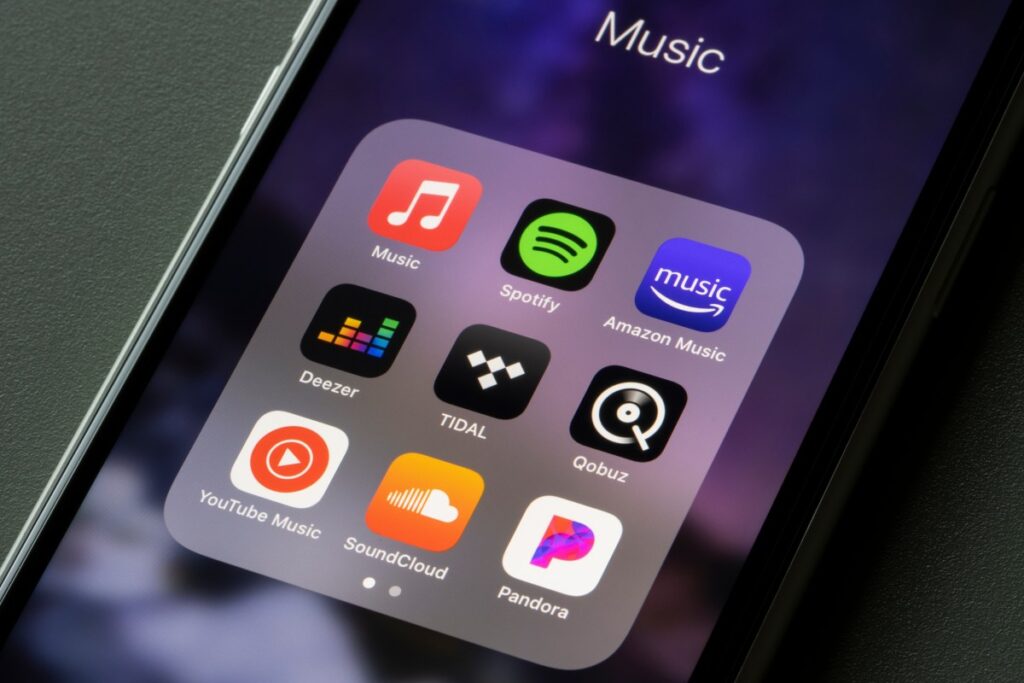
Table of Contents
The Invisible Influx of Synthetic Sound
The sonic landscape of modern streaming is undergoing a quiet but massive transformation. While listeners may be tuning into a lo-fi study beat or a generic ambient track, there is a growing probability that no human ever touched an instrument or wrote a lyric for that specific recording. The scale of this shift is staggering: Deezer recently disclosed that 44% of all new music uploaded to its platform is now AI-generated.
This surge in synthetic content isn’t just an aesthetic concern for purists; it is a systemic threat to the economics of the music industry. From ‘streaming farms’ using AI to generate endless loops of music to inflate royalty payouts, to the erosion of copyright through training sets that cannibalize artist work, the industry is facing a crisis of authenticity. In response, Deezer has launched a first-of-its-kind AI music detector designed to work not just within its own ecosystem, but across 20 of the world’s most popular streaming platforms, including Spotify, Apple Music, and YouTube Music.
- Cross-Platform Utility: Deezer’s new tool scans playlists from 20 different services to identify synthetic audio.
- Alarming Growth: AI-generated tracks now make up nearly half of all new uploads on Deezer’s platform.
- Combating Fraud: Roughly 85% of AI-generated streams are flagged as fraudulent and subsequently demonetized.
- Industry Stance: Unlike rivals who use simple tagging, Deezer is actively removing AI content from editorial playlists and recommendations.
Breaking the ‘Black Box’ of Streaming Playlists
For the average listener, identifying an AI-generated track is increasingly difficult. Modern generative models can mimic the timbre of a human voice and the complex textures of a produced track with startling accuracy. Most streaming services have historically treated this as a metadata problem—either tagging a song as ‘AI’ or leaving it unmarked. Deezer is shifting the approach from metadata to forensic analysis.
The new tool allows users to import their playlists from services like SoundCloud or Apple Music. Once connected, the system scans the audio signatures against known AI patterns and markers. This is a significant departure from the industry norm, as it represents a company providing a transparency tool for its direct competitors’ users. According to Deezer CEO Alexis Lanternier, the move is a direct result of the lack of transparency across the broader streaming landscape.
How the AI Detection Process Works
While Deezer has not released the full technical whitepaper on the tool’s underlying architecture, the process relies on identifying synthetic artifacts—microscopic inconsistencies in audio waveforms that are characteristic of AI generation but absent in human-recorded audio. These often include unnatural spectral transitions and a lack of the ‘organic noise’ found in physical recording environments.
The tool supports 27 languages and integrates via API with the majority of top-tier streaming platforms. This allows the detector to cross-reference the track ID with Deezer’s internal database of flagged synthetic content while analyzing the audio stream itself.
The Economics of Synthetic Fraud
The most critical driver behind this technology isn’t actually the listener’s experience, but the financial integrity of the royalty pool. In the ‘pro-rata’ payment model used by most streamers, all revenue is pooled and distributed based on the total percentage of streams. When AI-generated tracks flood the system, they dilute the payments going to human artists.
Deezer’s data reveals a disturbing trend: while AI music makes up 44% of new uploads, it only accounts for 1-3% of total streams. On the surface, this suggests that listeners aren’t actually interested in AI music. However, the deeper dive reveals that 85% of those AI streams are fraudulent. These are not organic listeners, but bot networks designed to trigger payouts for ‘ghost’ artists.
| Metric | Human-Generated Content | AI-Generated Content |
|---|---|---|
| Upload Volume (New) | ~56% | 44% |
| Organic Stream Share | ~98% | ~2% |
| Fraud Rate | Low/Standard | ~85% |
| Monetization Status | Standard Payout | High Rate of Demonetization |
Strategic Positioning: Deezer vs. The Giants
The launch of this detector is a calculated move in the competitive landscape against Spotify and Apple Music. By positioning itself as the ‘guardian of human artistry,’ Deezer is attempting to build a brand identity centered on trust and authenticity. This is a strategic pivot toward the ‘conscious consumer’—listeners who are increasingly wary of the ethical implications of generative AI.
While Spotify has faced criticism for its handling of AI-generated ‘fake artists’ and Apple Music has remained largely silent on systemic detection, Deezer is moving toward a more restrictive policy. The company has already begun excluding AI tracks from its editorial playlists, ensuring that human curation remains human-centric. There is also evidence that Deezer is considering more drastic measures, such as updating supplier policies to ban AI content entirely, following the precedent set by Bandcamp earlier this year.
The Ethical Dilemma of ‘Hybrid’ Music
One of the primary challenges for any AI music detector is the ‘gray area’ of AI-assisted production. Many human artists now use AI for stem separation, noise reduction, or basic melodic suggestions. If a detector is too aggressive, it risks flagging legitimate human art that used a tool for polish. Deezer’s current approach focuses on fully synthetic tracks—those where the core composition and performance are generated by a model rather than a human.
What This Means for the Music Ecosystem
The introduction of cross-platform detection signals the beginning of an ‘arms race’ between generative AI models and detection software. As models like Suno and Udio become more sophisticated, the artifacts that Deezer currently uses to identify AI music may disappear, requiring the detector to evolve into a more complex behavioral analysis tool.
For the independent artist, this is a double-edged sword. On one hand, the purging of bot-driven AI tracks could lead to a more equitable distribution of royalties. On the other hand, it highlights the vulnerability of the current streaming model to systemic manipulation.
Practical Implications for Users
For the casual listener, the primary value is transparency. Knowing that a ‘relaxing rain’ playlist is actually an AI-generated loop changes the emotional connection to the music. For curators and professional DJs, this tool is essential for maintaining the integrity of their brand; playing an AI-generated track unknowingly can lead to significant backlash in communities that value authenticity.
Frequently Asked Questions
What is an AI music detector?
An AI music detector is a software tool that analyzes audio files or streaming links to determine if the music was created by a human or generated by an artificial intelligence model. It looks for digital artifacts and spectral patterns that are unique to synthetic audio generation.
Does the Deezer tool work on Spotify?
Yes, the tool is designed to be cross-platform. Users can connect their Spotify accounts and allow the tool to scan their playlists to identify any AI-generated content present in their library.
How can I tell if a song is AI-generated without a tool?
While difficult, some clues include unnatural vocal phrasing, a lack of dynamic range in the performance, or ‘metallic’ shimmering in the high frequencies. However, as AI evolves, these clues are becoming less reliable, making detection tools necessary.
Will Deezer remove AI music from its platform?
Deezer already removes AI tracks from its editorial recommendations. While they haven’t banned all AI content across the platform yet, they have indicated that they are considering stricter supplier policies and potential removals of fraudulent content.
Why is AI music considered ‘fraudulent’ in streaming?
AI music is flagged as fraudulent when it is used in ‘streaming farms’—automated systems that play AI tracks on loop to illegitimately collect royalty payments from the streaming service.
The Path Toward Verified Humanity
The ultimate solution to the AI influx likely isn’t just better detection, but a shift toward verified humanity. We may soon see a ‘Human Made’ certification or digital watermarking for recordings, similar to how organic produce is labeled in grocery stores. Until then, Deezer’s initiative serves as a critical bridge, giving users the agency to decide what they want in their ears.
The reality is that AI is not going away. The goal for the industry is not necessarily to erase the technology, but to ensure that the human artist remains the center of the economic and creative equation. By providing these tools to the public, Deezer is forcing a conversation about transparency that the larger streaming giants have spent years avoiding.