Sharp Aquos R11 Debuts: A Pro IGZO Powerhouse with Snapdragon 8s Gen 4
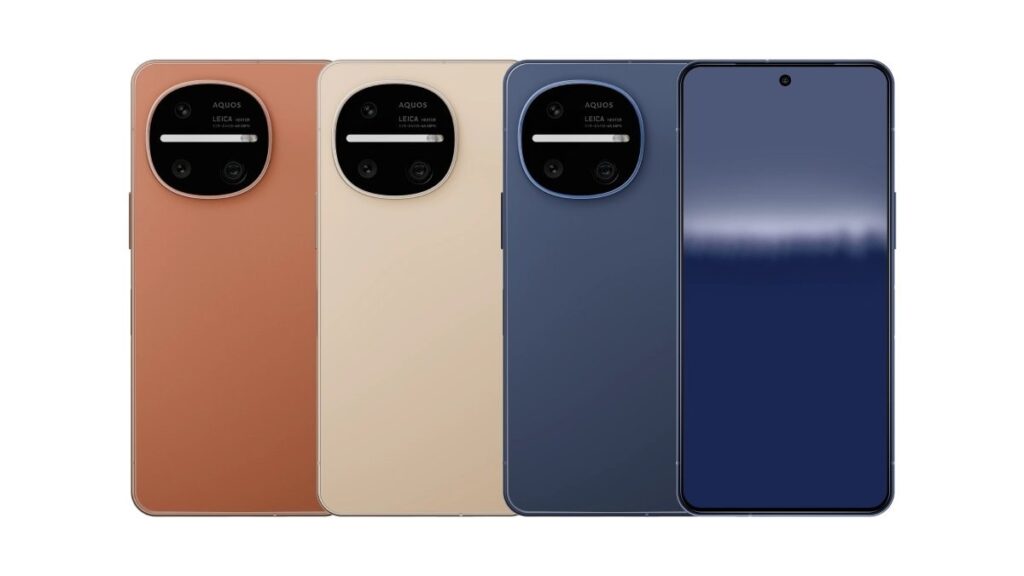
Table of Contents
Sharp has officially expanded its R-series lineup with the debut of the Sharp Aquos R11, a device that pushes the boundaries of display technology and processing efficiency. Launched exclusively in the Japanese market, the R11 isn’t just a spec bump; it represents a strategic pivot toward high-efficiency flagship performance and extreme visual fidelity.
- Next-Gen Power: Driven by the Snapdragon 8s Gen 4 chipset for balanced performance and power efficiency.
- Display Breakthrough: Features a Pro IGZO OLED panel with a staggering 240Hz adaptive refresh rate and 3,600 nits peak brightness.
- Software Longevity: Ships with Android 16, promising three major OS upgrades and five years of security patches.
- Premium Build: Available in Ivory, Navy, and Terracotta, priced at JPY 163,899 (approx. $1,100 / ₹96,000).
The Silicon Strategy: Understanding the Snapdragon 8s Gen 4
The heart of the Sharp Aquos R11 is the Snapdragon 8s Gen 4. Unlike the standard ‘8 Gen’ series, the ‘s’ variant is engineered to offer a ‘flagship-lite’ experience—providing the majority of the top-tier performance while optimizing for thermal management and battery longevity.
For the power user, this means the R11 can handle heavy multitasking and high-fidelity gaming without the aggressive throttling often seen in smaller chassis. Coupled with 12GB of LPDDR5X RAM, the device is positioned as a productivity tool that doesn’t sacrifice speed. With 512GB of internal storage as the standard, Sharp is acknowledging the growing size of 4K mobile video and high-resolution photography.
A Display That Defies the Sun: Pro IGZO OLED
The standout feature of the Aquos R11 is undoubtedly the 6.5-inch Pro IGZO OLED display. To understand why this matters, we have to look at the tech: IGZO (Indium Gallium Zinc Oxide) allows for faster electron mobility than traditional silicon, which enables Sharp to achieve a 240Hz adaptive refresh rate.
While 120Hz has become the industry standard, 240Hz offers a level of fluidly that is virtually indistinguishable from reality, particularly in system animations and high-frame-rate gaming. More impressively, the panel hits a peak brightness of 3,600 nits. In real-world terms, this means the screen remains perfectly legible even under direct midday sunlight in Tokyo or Los Angeles, effectively eliminating the ‘glare struggle’ common in older OLED panels.
Technical Specifications Breakdown
| Feature | Specification |
|---|---|
| Processor | Qualcomm Snapdragon 8s Gen 4 |
| Display | 6.5″ Pro IGZO OLED (1080 x 2340) |
| Refresh Rate | 1Hz – 240Hz (Adaptive) |
| Peak Brightness | 3,600 Nits |
| RAM/Storage | 12GB / 512GB |
| Battery | 5,100mAh |
| OS | Android 16 |
Imaging and Optics: The Triple Threat
The Sharp Aquos R11 utilizes a triple-rear camera array, headlined by a 50.3-megapixel main sensor. Sharp has historically leaned toward natural color reproduction over the hyper-saturated looks found in some competitors. The R11 continues this trend, focusing on detail and dynamic range.
The secondary lenses provide the versatility needed for modern social media and content creation, though Sharp has remained conservative with the specific aperture details of the ultrawide and telephoto sensors. However, the integration with the Snapdragon 8s Gen 4’s ISP (Image Signal Processor) ensures that AI-driven noise reduction and HDR processing happen almost instantaneously.
Android 16 and the Long-Term Support Promise
Launching with Android 16 puts the Aquos R11 at the bleeding edge of software. Sharp has committed to three major OS upgrades and five years of security updates. This is a critical move for the brand, as long-term software support has historically been a pain point for Japanese manufacturers compared to giants like Samsung or Google.
By guaranteeing updates through 2030, Sharp is signaling that the R11 is a long-term investment. This commitment, paired with the 5,100mAh battery, suggests a device built for longevity rather than the typical two-year replacement cycle.
What This Means for the Market
The launch of the Sharp Aquos R11 highlights a growing trend in the ‘Premium’ segment: the shift from raw, unbridled power to optimized efficiency. By opting for the 8s Gen 4 over the peak 8 Gen 4, Sharp is prioritizing stability and battery life over synthetic benchmark scores.
For consumers, this means a phone that stays cool during extended use while still providing a top-tier display. The 240Hz Pro IGZO panel is a clear attempt to win the ‘display war,’ offering a visual experience that exceeds almost everything currently available in the global market.
Regional Limitations and Availability
As is typical for the Aquos R series, the R11 is currently a Japan-centric release. Priced at JPY 163,899, it targets the domestic high-end market. For international enthusiasts, obtaining the device usually involves third-party importers, which can complicate warranty claims and network compatibility (band support) in North America or Europe.
Frequently Asked Questions
Is the Sharp Aquos R11 available globally?
Currently, the Aquos R11 has been launched exclusively in Japan. There is no official confirmation regarding a global rollout to the US or European markets.
What is Pro IGZO technology?
Pro IGZO (Indium Gallium Zinc Oxide) is a proprietary display technology developed by Sharp that allows for faster switching of pixels. This enables higher refresh rates (up to 240Hz) and better power efficiency compared to standard AMOLED screens.
How does the Snapdragon 8s Gen 4 differ from the standard 8 Gen 4?
The ‘s’ variant is designed to provide flagship-level performance but with a focus on power efficiency and thermal management, making it ideal for devices that want to avoid overheating during intense tasks.
What are the color options for the R11?
The device comes in three distinct colors: Ivory, Navy, and Terracotta.
Does the Sharp Aquos R11 support 5G?
Yes, the Snapdragon 8s Gen 4 chipset provides integrated 5G connectivity, supporting both Sub-6 and mmWave bands common in Japanese networks.