Xiaomi FX Mini LED TV Series Hits India June 4: A Deep Dive into Quantum MagiQ and Fire TV Integration
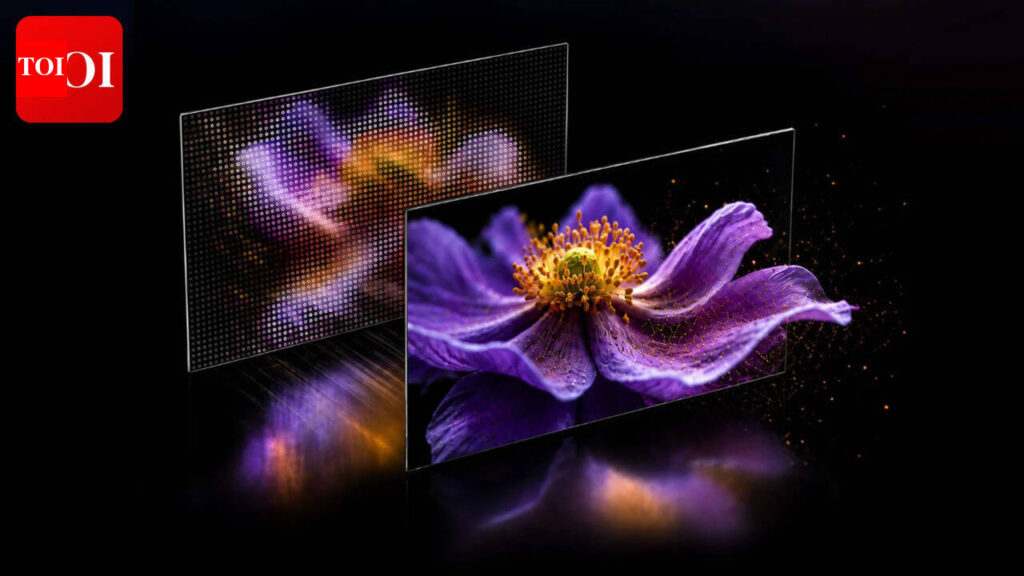
Table of Contents
The Shift Toward Mini LED: Xiaomi’s New Play in India
On June 4, 2026, Xiaomi is officially introducing the FX Mini LED TV series to the Indian market. This launch represents a strategic pivot for the company, moving beyond budget-friendly 4K panels into the high-contrast, high-brightness territory previously dominated by premium OLEDs and high-end QLEDs. The FX series isn’t just a spec bump; it’s a concerted effort to bring Full-Array QD-Mini LED technology to a wider consumer base in one of the world’s most competitive television markets.
- Launch Date: June 4, 2026, in India.
- Panel Tech: Full-Array QD-Mini LED with independent dimming zones for superior black levels.
- Color Accuracy: 93% DCI-P3 wide color gamut for cinema-grade reproduction.
- OS: Integration with Amazon’s Fire TV platform and Alexa voice control.
- Audio: Quad-speaker arrays with Dolby Audio and DTS:X on larger screen sizes.
Breaking Down the Hardware: QD-Mini LED and Independent Dimming
To understand why the Xiaomi FX series matters, we have to look at the physics of the panel. Standard LED TVs use a backlight that often illuminates the entire screen or large sections of it, leading to “blooming”—where light leaks from bright objects into dark areas. The FX series utilizes Quantum Dot Mini LED (QD-Mini LED) technology.
By using thousands of microscopic LEDs instead of dozens of larger ones, Xiaomi can implement independent dimming zones. This allows the TV to turn off specific clusters of LEDs entirely when a scene is black, mimicking the per-pixel control of an OLED while maintaining the extreme peak brightness that only LEDs can provide. For the Indian consumer, this means a TV that performs well even in brightly lit living rooms—a common scenario where OLEDs often struggle due to glare and lower brightness ceilings.
Quantum MagiQ: The Brain Behind the Image
Raw hardware is nothing without processing. Xiaomi has introduced the Quantum MagiQ image processing engine with this series. While Xiaomi has kept the specific chip architecture under wraps, the goal of Quantum MagiQ is to manage the complex task of local dimming in real-time. It analyzes the incoming 4K signal and decides exactly which Mini LED zones to fire, reducing the halo effect around subtitles or bright stars in a night sky.
Combined with a DCI-P3 93% wide color gamut, the FX series aims for high color fidelity. In practical terms, this means the TV can reproduce more shades of red and green than a standard sRGB panel, making HDR10+ and Dolby Vision content look more natural and less saturated.
The Ecosystem Play: Why Fire TV?
One of the most notable decisions in the FX series is the adoption of Amazon’s Fire TV platform. For years, Xiaomi has leaned on its own PatchWall interface. By integrating Fire TV, Xiaomi is acknowledging the massive growth of the Amazon ecosystem in India.
This integration brings seamless Alexa voice control, which allows users to control not just the TV, but their entire smart home via the television. From a user experience perspective, Fire TV is generally more stable and has a wider array of native app support compared to fragmented Android TV builds. However, the question for enthusiasts remains: will PatchWall still exist as a layer on top, or is this a total transition to the Amazon ecosystem?
| Feature | Xiaomi FX Mini LED Spec | Industry Standard (Mid-Range) |
|---|---|---|
| Backlighting | Full-Array QD-Mini LED | Edge-lit or Direct LED |
| Color Gamut | 93% DCI-P3 | ~80-85% DCI-P3 |
| Processing | Quantum MagiQ | Standard AI Upscaling |
| OS | Fire TV / Alexa | Google TV / Tizen / WebOS |
Acoustic Engineering and the Quad-Speaker Setup
Xiaomi is addressing a common criticism of thin-bezel TVs: poor audio. The larger models in the FX series will feature a quad-speaker system. By utilizing a 4-channel setup, the TV can create a wider soundstage, which is critical for the Dolby Audio and DTS:X certification it carries.
DTS:X, in particular, is a spatial audio technology that attempts to place sound in a three-dimensional space. While integrated TV speakers will never replace a dedicated 5.1.2 Atmos setup, the inclusion of quad speakers suggests that Xiaomi is targeting a ‘single-box’ solution for users who don’t want to buy a separate soundbar.
What This Means for the Indian Market
The arrival of the FX Mini LED series signals a shift in how “value” is defined in the Indian tech space. For years, Xiaomi competed on price-per-inch. Now, they are competing on technology-per-rupee. By bringing QD-Mini LED to a potentially aggressive price point, they are putting pressure on brands like Samsung and Sony, who typically gatekeep Mini LED behind very high price premiums.
For the gamer, the 4K resolution and high-contrast panel make this an attractive pairing for the PS5 and Xbox Series X. While we are still waiting for official refresh rate data (specifically whether these panels hit 120Hz), the baseline specs suggest a high-performance display capable of handling high-dynamic-range (HDR) gaming content with minimal crushing of blacks.
Comparison: Mini LED vs. OLED for the Indian Home
When choosing between the upcoming FX series and an OLED, the decision comes down to the environment. OLEDs provide perfect blacks because pixels turn off completely, but they risk “burn-in” if static images (like news tickers) are left on for hours. Mini LEDs, like the FX series, offer nearly identical contrast levels but are significantly brighter and immune to burn-in, making them the safer bet for the average Indian household where the TV is often left on as background noise throughout the day.
FAQ: Xiaomi FX Mini LED SeriesWhat is the difference between QLED and QD-Mini LED?
QLED uses a Quantum Dot layer to improve color, but usually relies on a standard LED backlight. QD-Mini LED combines that color layer with thousands of tiny LEDs that can be dimmed individually, providing much better contrast and reducing the “glow” around bright objects.
Will the FX series support gaming features like VRR?
Xiaomi has not officially confirmed Variable Refresh Rate (VRR) support. However, given the target market for Mini LED TVs, it is highly likely that the higher-end models will support basic gaming enhancements to compete with other 4K displays.
Does it come with a remote for Alexa?
Yes, the integration of the Amazon Fire TV platform means the remote includes a dedicated Alexa button for voice-activated search and smart home control.
Is 93% DCI-P3 enough for professional color work?
While 93% is excellent for consumer entertainment and gaming, professional colorists usually look for 100% DCI-P3 or Rec.709 accuracy. For the vast majority of users, however, this level of coverage ensures vibrant, cinema-accurate colors.
When will pricing be available?
Xiaomi has stated that pricing and specific size options (e.g., 55″, 65″, 75″) will be revealed during the official launch event on June 4, 2026.