Xiaomi TV FX Mini LED Series Hits India: A Deep Dive Into QD Mini LED Performance and Pricing
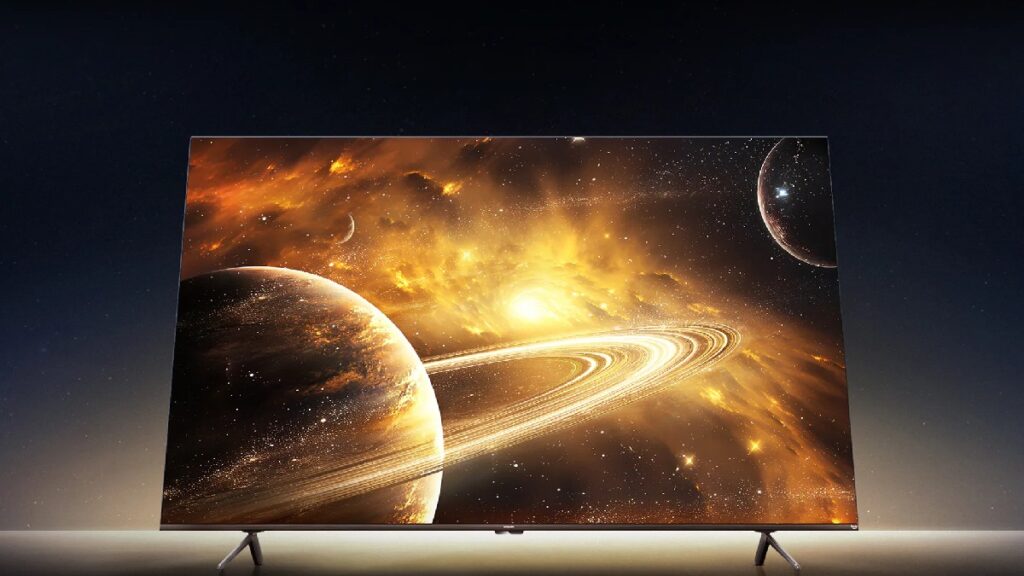
Table of Contents
A Shift in the Value-Premium Display Market
Xiaomi has officially expanded its home entertainment portfolio in India with the launch of the Xiaomi TV FX Mini LED series. In a move that signals a direct challenge to both budget-tier LEDs and high-end OLEDs, the series arrives in four sizes: 43, 55, 65, and 75 inches. This isn’t just a routine spec bump; the integration of Quantum Dot (QD) Mini LED technology suggests Xiaomi is attempting to bridge the gap between affordability and professional-grade contrast.
- QD Mini LED Integration: Combines Quantum Dot color precision with the high contrast of Mini LEDs.
- Fire TV OS: A strategic pivot to Amazon’s ecosystem for better app availability and Alexa integration.
- Gaming Performance: Select larger models feature DLG 120Hz mode for smoother motion in PS5 and Xbox Series X titles.
- Aggressive Pricing: Introductory offers bring the 43-inch model down to ₹29,999, targeting the mass-market upgrade cycle.
For the average consumer, the transition to Mini LED is significant. Unlike traditional LEDs that use a few large backlights, Mini LEDs use thousands of tiny diodes. This allows for Full Array Local Dimming (FALD), which drastically reduces ‘blooming’—that annoying white glow around bright objects on dark backgrounds—making the viewing experience closer to the ‘perfect blacks’ associated with OLED, but with significantly higher peak brightness.
The pricing strategy reflects Xiaomi’s aggressive approach to market share. The standard pricing starts at ₹32,999 for the 43-inch model and scales up to ₹84,999 for the 75-inch variant. However, the introductory pricing (₹29,999 to ₹79,999) is where the real competition lies, placing these sets in direct conflict with brands like Samsung and Hisense in the Indian market.
Technical Breakdown: QD Mini LED and the Contrast Battle
To understand why the Xiaomi TV FX Mini LED matters, one must look at the physics of the panel. Traditional LED TVs suffer from a lack of precision in light control. QD Mini LED solves this through two primary mechanisms: Quantum Dots and Mini-LED backlighting.
Quantum Dot Color Volume
The ‘QD’ in QD Mini LED refers to Quantum Dots—nanoscale semiconductor particles that emit light of a specific color when energized. By adding a layer of these dots over a blue LED backlight, the TV can produce a wider color gamut (DCI-P3) and more saturated reds and greens. This results in a more vivid, life-like image that doesn’t lose detail in highly saturated scenes.
Local Dimming and Contrast Ratio
The FX series utilizes Full Array Local Dimming. While not as precise as the pixel-level dimming of OLED, the Mini LED array allows the TV to turn off specific zones of the backlight entirely. This creates a deeper black level. For cinema enthusiasts, this means that a starfield in a space movie looks like bright points of light against a void, rather than a greyish smudge.
The Gaming Experience: Is DLG 120Hz Enough?
One of the most touted features of the select larger variants in the FX series is the DLG 120Hz game mode. In the gaming world, ‘native’ 120Hz is the gold standard, where the panel physically refreshes 120 times per second. DLG (Dual Line Gate) is a software-driven optimization that simulates a higher refresh rate by altering how pixels are addressed.
While DLG isn’t a perfect replacement for a native 120Hz panel, it provides a perceptible increase in fluidity for fast-paced titles like Call of Duty or Forza Horizon. Combined with HDR10+ support, gamers get a high-dynamic-range experience that balances crushed blacks with blinding highlights, provided the source hardware supports these formats.
What This Means for the Consumer
The launch of the Xiaomi TV FX series marks a transition where ‘premium’ display tech is no longer reserved for luxury budgets. For the user, this means three practical shifts:
- Living Room Versatility: The high peak brightness of Mini LED makes these TVs far better suited for bright Indian living rooms with lots of natural light compared to OLEDs, which can act like mirrors during the day.
- Ecosystem Integration: By choosing Fire TV as the operating system, Xiaomi is opting for a more mature app ecosystem than some of its proprietary skins, ensuring that Netflix, Prime Video, and Disney+ Hotstar run with minimal lag.
- Value Migration: We are seeing a ‘trickle-down’ effect where 75-inch screens—once a prohibitively expensive luxury—are now priced within reach of the middle class, provided they are willing to trade off a bit of the peak performance found in Sony’s flagship Bravia line.
Comparative Hardware Specifications
| Feature | 43-Inch Model | 55/65-Inch Models | 75-Inch Model |
|---|---|---|---|
| Display Tech | QD Mini LED | QD Mini LED | QD Mini LED |
| OS | Fire TV | Fire TV | Fire TV |
| Refresh Rate | Standard | DLG 120Hz (Select) | DLG 120Hz |
| Audio | Dolby Audio | Dolby Audio | Dolby Audio |
| Storage | 32GB | 32GB | 32GB |
| Intro Price | ₹29,999 | ₹39,999 / ₹59,999 | ₹79,999 |
Analyzing the Hardware: Processing and Connectivity
Under the hood, the FX series is powered by a quad-core processor. While Xiaomi hasn’t released specific clock speeds, the primary goal here is the handling of 4K upscaling and the fluidity of the Fire TV interface. With 32GB of onboard storage, there is ample room for apps, though users should note that this is shared with the OS, leaving roughly 15-20GB for user-installed content.
Connectivity is standard for 2025, featuring dual-band Wi-Fi. This is critical for 4K streaming, as 2.4GHz bands often struggle with the high bitrate required for UHD content, leading to the dreaded buffering wheel. The inclusion of Alexa voice commands via the remote transforms the TV into a hub for the wider Xiaomi smart home ecosystem, allowing users to dim lights or check security cameras without leaving the couch.
Market Positioning and Competitive Analysis
Xiaomi is positioning the FX series as a ‘disruptor.’ In the Indian market, the competition is fierce. Samsung’s Neo QLED series offers similar tech but usually at a 30-50% premium. TCL and Hisense have been the primary Mini LED challengers, but Xiaomi’s massive distribution network and service infrastructure in India give it a distinct advantage in trust and after-sales support.
However, a critical point of analysis is the 43-inch model. At ₹29,999, it is an entry-point into Mini LED. While smaller screens don’t benefit as much from local dimming as 75-inch screens do, the color accuracy provided by the Quantum Dots still makes it a superior choice over standard 4K LED panels in the same price bracket.
Frequently Asked Questions
What is the difference between Mini LED and standard LED?
Mini LED uses much smaller LEDs for the backlight than a standard LED TV. This allows the TV to have hundreds or thousands of small ‘zones’ that can be dimmed or brightened independently, resulting in better contrast and less light leakage (blooming) than standard LEDs.
Is Fire TV better than Google TV?
It depends on your ecosystem. Fire TV is deeply integrated with Amazon Alexa and Prime Video, offering a very smooth interface. Google TV generally has a wider selection of third-party apps through the Play Store and better integration with Google Assistant.
Does the Xiaomi TV FX support PS5 120Hz gaming?
The larger variants support DLG 120Hz. While this provides a smoother experience than 60Hz, it is a software-simulated refresh rate and may not be as fluid as a native 120Hz OLED or high-end QD-OLED panel.
What is HDR10+ and does it matter?
HDR10+ is a dynamic HDR format that adjusts brightness and color on a frame-by-frame basis. It provides a more accurate image than static HDR10, especially in scenes with shifting lighting conditions, such as a dark room with a bright window.
Is 32GB storage enough for a smart TV?
Yes, for the vast majority of users. Most TV apps are lightweight. 32GB is sufficient for the OS and 20-30 major streaming applications. However, it is not intended for storing large amounts of local media like movies.