Xiaomi TV FX Mini LED Hits India: A Serious Challenge to Mid-Range Home Cinema
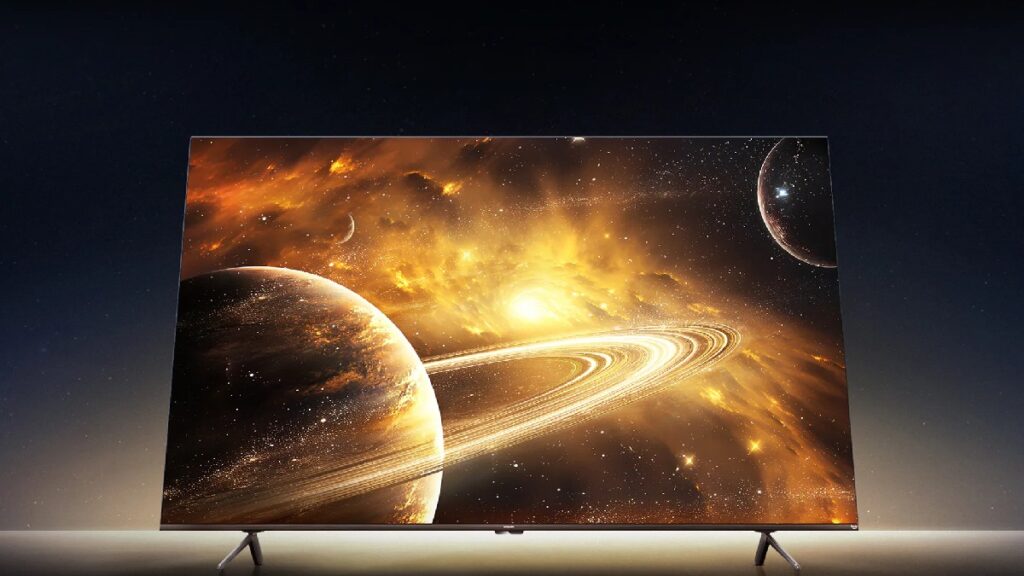
Table of Contents
A Strategic Pivot Toward Mini LED Accessibility
Xiaomi has officially expanded its display portfolio in India with the launch of the TV FX Mini LED series. By bridging the gap between standard LED panels and high-end OLEDs, the FX series attempts to democratize QD Mini LED technology—a display method that uses significantly smaller LEDs for backlighting, allowing for tighter control over brightness and contrast.
The rollout is aggressive, covering four distinct screen sizes from 43 inches up to a massive 75-inch flagship. But the real story isn’t just the hardware; it is the integration of Amazon’s Fire TV OS, marking a departure from Xiaomi’s usual reliance on Google TV/Android TV ecosystems in certain segments. For the Indian consumer, this means a more streamlined, content-first interface backed by Alexa’s deep integration.
- Bottom Line: Xiaomi is aggressively undercutting competitors by offering high-end backlight control (Full Array Local Dimming) at prices that previously only bought entry-level LED TVs.
- Tech Stack: Features Quantum Dot Mini LEDs with Full Array Local Dimming for superior black levels.
- OS Shift: Integration of Fire TV, providing a curated Amazon ecosystem and Alexa voice control.
- Gaming Edge: Select models support DLG 120Hz, making them more viable for PS5 and Xbox Series X users.
- Aggressive Pricing: Introductory offers bring the 43-inch model down to ₹29,999.
Breaking Down the QD Mini LED Architecture
To understand why the Xiaomi TV FX Mini LED is a departure from standard 4K TVs, one must look at the backlight. Traditional LED TVs use either edge-lighting or a few large zones of direct-lighting. Mini LEDs, however, shrink the light source to a fraction of its original size. When combined with Quantum Dots (QD), the result is a panel that can produce vibrant, saturated colors while maintaining deep blacks without the “blooming” effect typically seen in cheaper HDR TVs.
Full Array Local Dimming (FALD)
The FX series utilizes Full Array Local Dimming. Unlike global dimming, which lowers the brightness of the entire screen, FALD allows the TV to shut off specific clusters of LEDs in dark areas of the image while keeping bright areas luminous. This is critical for HDR10+ content, where the goal is to maintain a high dynamic range between the brightest white and the deepest black.
The DLG 120Hz Gaming Proposition
For the gaming community, the “DLG” (Dual Line Gate) 120Hz mode is a notable addition to the larger variants. While not a native 120Hz panel in the way a high-end LG OLED is, DLG effectively doubles the perceived frame rate by manipulating how pixels are refreshed. For gamers using a console, this reduces motion blur and provides a smoother experience in fast-paced titles, though enthusiasts should note that input lag may differ slightly from native 120Hz displays.
Pricing and Market Positioning in India
Xiaomi’s pricing strategy for the FX series is designed to capture the “aspirational mid-range” market. By offering an introductory discount, they are positioning the TV as a high-value-for-money alternative to Samsung’s Neo QLED or Sony’s Mini LED lines, which typically command a significant premium.
| Screen Size | Official MSRP | Introductory Offer Price |
|---|---|---|
| 43-inch | ₹32,999 | ₹29,999 |
| 55-inch | ₹44,999 | ₹39,999 |
| 65-inch | ₹64,999 | ₹59,999 |
| 75-inch | ₹84,999 | ₹79,999 |
The Fire TV Integration: A Calculated Move
The decision to implement Fire TV is a strategic pivot. While Android TV offers a broader app library, Fire TV is renowned for its stability and seamless integration with the Amazon ecosystem, which has a massive footprint in Indian households. The inclusion of Alexa voice commands directly into the remote allows users to control smart home devices, check weather, or search for content without navigating complex menus.
From a hardware perspective, the quad-core processor and 32GB of onboard storage are sufficient for 4K streaming. However, power users may find the storage limiting if they intend to sideload numerous large applications. The dual-band Wi-Fi is a necessary inclusion, as 4K HDR streaming requires a stable, high-bandwidth connection to avoid buffering, especially on the 65 and 75-inch models where compression artifacts are more visible.
What This Means for the Average Consumer
For the typical buyer, the Xiaomi TV FX Mini LED means that “premium” display tech is no longer reserved for budgets exceeding ₹1 lakh. If you are upgrading from a standard 1080p or basic 4K LED TV, the jump in contrast and color accuracy will be immediately apparent, particularly when watching movies in a dimmed room.
For Gamers: It provides a viable entry point into high-refresh gaming without the cost of a dedicated gaming monitor or a top-tier OLED. The 120Hz DLG mode makes it a competitive choice for the budget-conscious PS5 owner.
For Cinephiles: The HDR10+ support and Dolby Audio integration ensure that the TV can handle modern streaming formats from Netflix and Disney+ Hotstar with high fidelity. However, those seeking professional-grade color accuracy for grading may still find the panel’s factory calibration leaning toward a “vivid” look rather than a “natural” one.
Technical Specifications at a Glance
The internal hardware is balanced for streaming efficiency. The quad-core SoC handles the Fire OS fluidly, while the 32GB of storage is partitioned between the system and user apps. The audio setup, backed by Dolby, aims to reduce the need for an external soundbar in small to medium rooms, though the larger 75-inch model will likely benefit from a dedicated 2.1 or 5.1 system to match the scale of the visuals.
Frequently Asked Questions
Is the Xiaomi TV FX Mini LED better than a standard LED TV?
Yes, significantly. Because it uses Mini LEDs and Full Array Local Dimming, it offers much better contrast, deeper blacks, and higher peak brightness than standard edge-lit LED TVs, which often suffer from “grayish” blacks.
Does it support native 120Hz for gaming?
Select variants utilize DLG (Dual Line Gate) technology to achieve a 120Hz game mode. This is not native 120Hz across the entire panel’s operation but provides a similar smooth experience for compatible gaming consoles.
What is the difference between QD Mini LED and regular Mini LED?
QD stands for Quantum Dot. While Mini LED refers to the size of the backlight, Quantum Dots are a layer of nanoparticles that enhance color purity and brightness, leading to a wider color gamut and more vibrant images.
Can I use Google Play Store apps on this TV?
Since this series uses Fire TV OS, it utilizes the Amazon Appstore. While many popular apps are identical, some Android-exclusive apps may not be available natively; however, the ecosystem is comprehensive for most streaming needs.
Is the introductory price a limited-time offer?
Yes, Xiaomi has listed the lower prices (e.g., ₹29,999 for the 43-inch) as a limited-time introductory offer. After this period, prices are expected to revert to the official MSRP.
Final Analysis: Value vs. Performance
The Xiaomi TV FX Mini LED series is a clear attempt to disrupt the mid-range TV market in India. By combining QD Mini LED hardware with the familiarity of Fire TV, Xiaomi is targeting the sweet spot of performance and price. While the DLG 120Hz is a compromise compared to native high-refresh panels, the sheer value proposition—especially the 55 and 65-inch models—makes it a formidable competitor. For most users, the gap between this and a flagship OLED is narrowing, making this an attractive option for those who want a bright, vivid, and large-screen experience without the OLED burn-in anxiety or price tag.