Insta360 Luna Ultra Leaks: 8K Video and Leica Optics Aim for the Prosumer Crown
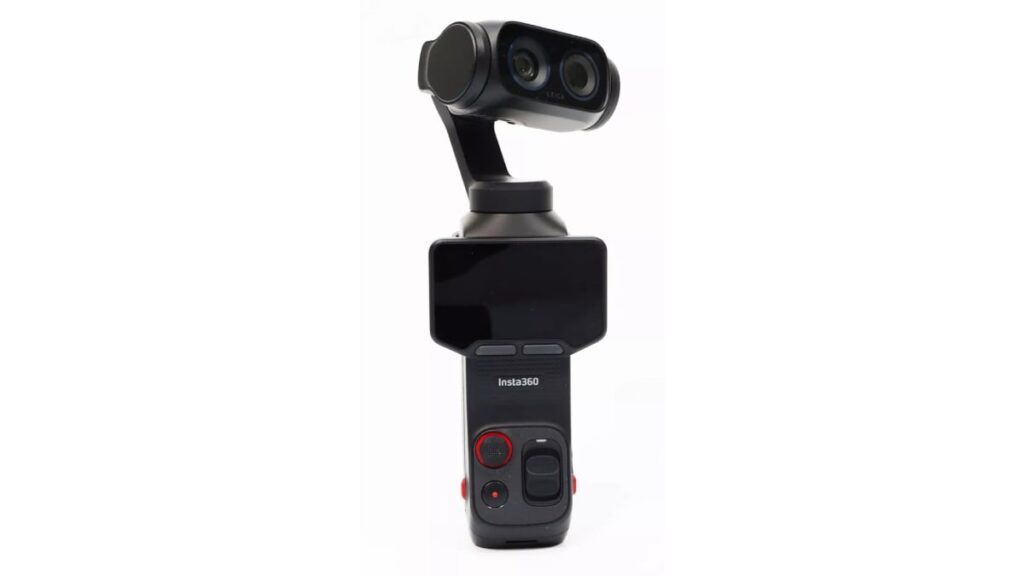
Table of Contents
The Leak That Shifts the Compact Camera Landscape
While Insta360 has maintained a tight seal on its upcoming product roadmap, the industry’s tendency toward premature retailer listings has once again provided a window into the company’s strategy. A listing from the German photography specialist Foto Erhardt has effectively broken the silence, revealing the Insta360 Luna Ultra. This isn’t just another iterative update; the specifications suggest a calculated assault on the premium compact creator market, specifically targeting those who find current pocket gimbals too limiting in resolution and color science.
For those tracking the evolution of the ‘vlog-cam’ segment, the Luna Ultra represents a pivot toward professional-grade optics. By integrating a Leica Summicron lens and a 1-inch sensor, Insta360 is moving away from the ‘action cam’ utility and toward a high-fidelity cinema tool that fits in a jacket pocket. The inclusion of 8K video capabilities—a rarity in this form factor—indicates that Insta360 is betting on the growing demand for high-resolution crops and future-proof archival footage.
- Hardware Power: Features a 1-inch image sensor paired with a high-end Leica Summicron lens for superior low-light and sharpness.
- Resolution Leap: Supports 8K video recording and 4K at 120fps, pushing the boundaries of compact gimbal cameras.
- Pro Color Grading: Includes 10-bit i-Log recording and dedicated Leica color profiles for professional post-production.
- Market Positioning: Directly competes with the DJI Pocket series by emphasizing raw resolution and optical prestige.
Breaking Down the Hardware: Why the 1-Inch Sensor Matters
To understand why the Insta360 Luna Ultra is generating buzz, one must look at the physics of the 1-inch sensor. In the world of compact cameras, sensor size is the primary determinant of image quality. A 1-inch sensor provides a significantly larger surface area to capture light compared to the smaller sensors found in standard action cameras or budget smartphones.
When paired with Leica Summicron optics, the result is a dramatic reduction in noise and a more natural depth of field (bokeh). This allows creators to achieve a professional ‘look’ without needing bulky external lighting or expensive prime lenses. The Summicron line is legendary in the photography world for its contrast and color accuracy, and bringing this to a 3-axis gimbal system means the Luna Ultra can maintain image stability without sacrificing optical clarity.
The 8K Gamble: Utility vs. Hype
8K video is often dismissed as a gimmick for consumer devices, but for a professional creator, it is a tool for flexibility. Recording in 8K allows a filmmaker to crop into a shot by 200% while still maintaining a crisp 4K output. This effectively turns a wide-angle gimbal lens into a versatile zoom lens in post-production.
However, 8K introduces significant thermal and storage challenges. While the Foto Erhardt listing confirms the capability, the real test will be the bitrate and thermal throttling. If Insta360 can sustain 8K recording for more than a few minutes without overheating—a common plague in compact bodies—they will have a definitive edge over the competition.
Technical Specifications and Capabilities
Based on the leaked retailer data, the Luna Ultra is designed to bridge the gap between a smartphone and a mirrorless camera. The 10-bit i-Log recording is perhaps the most critical feature for professional editors, as it preserves significantly more detail in the highlights and shadows, allowing for a more flexible color grading process in software like DaVinci Resolve or Adobe Premiere Pro.
| Feature | Insta360 Luna Ultra (Leaked) | Industry Standard (Compact) |
|---|---|---|
| Max Resolution | 8K Video | 4K Video |
| Slow Motion | 4K @ 120fps | 4K @ 60fps |
| Sensor Size | 1-inch | 1/2.3-inch to 1-inch |
| Optics | Leica Summicron | Generic Wide-Angle |
| Color Depth | 10-bit i-Log | 8-bit Standard |
| Stabilization | 3-Axis Mechanical Gimbal | Electronic (EIS) |
What This Means for the Creator Economy
The arrival of the Luna Ultra signals a shift in how ‘prosumer’ gear is defined. For years, the trade-off was simple: you either carried a professional mirrorless rig (high quality, low portability) or a gimbal camera (low quality, high portability). The Luna Ultra attempts to erase that line.
For travel vloggers and documentary filmmakers, this means the ability to capture high-dynamic-range (HDR) footage in 8K while moving through a crowd, all without a tripod or a heavy stabilizer. The integration of Leica color profiles further suggests that Insta360 is courting the ‘aesthetic’ market—users who want a specific, cinematic look straight out of the camera without spending hours in a grading suite.
The Competitive Ripple Effect
DJI has long dominated the pocket gimbal space with the Pocket series. By introducing 8K and Leica branding, Insta360 is not just fighting for market share; they are attempting to change the criteria of the competition. If the Luna Ultra delivers on these specs, it forces DJI to move beyond 4K and seek similar optical partnerships to remain relevant in the high-end creator segment.
Analyzing the Pre-Order Strategy
The appearance of the Luna Ultra on Foto Erhardt with a EUR 50 deposit suggests a staggered global rollout. This ‘reservation’ model is common in the European market to gauge demand and ensure that early adopters are prioritized. While the final retail price remains undisclosed, the ‘Ultra’ branding and Leica partnership suggest a price point significantly higher than the standard Ace or X series cameras.
Given the hardware—specifically the Summicron glass and the processing power required for 8K—industry analysts expect a premium pricing strategy. This positions the device not as a toy, but as a specialized tool for the creative professional.
Potential Limitations to Consider
Despite the impressive specs, there are inherent hurdles. 8K files are massive, necessitating high-speed U3 V30 microSD cards and significant cloud or local storage solutions. Furthermore, the 1-inch sensor, while powerful, still cannot compete with full-frame sensors in extreme low-light environments. Users should expect a device that excels in daylight and well-lit interiors but may still struggle in near-total darkness compared to a Sony A7S III.
Frequently Asked Questions
Will the Insta360 Luna Ultra replace the need for a mirrorless camera?
For most vloggers and casual creators, yes. However, for professional studio work where lens swapping and full-frame depth of field are required, it remains a complementary tool rather than a replacement.
What is the benefit of 10-bit i-Log recording?
10-bit recording captures billions more colors than standard 8-bit video. i-Log specifically flattens the image, preventing highlights from ‘blowing out’ and shadows from becoming pure black, which provides a canvas for professional color grading.
Does 8K video really make a difference for social media?
Since platforms like Instagram and TikTok compress video to 1080p, you won’t see 8K detail in the final upload. However, recording in 8K allows you to crop and reframe your shot during editing without losing quality, which is invaluable for vertical video creation.
How does the Leica Summicron lens improve image quality?
Summicron lenses are known for their exceptional sharpness and minimal distortion. In a compact camera, this means clearer edges, better contrast, and a more natural representation of colors and light.
Is a 3-axis gimbal better than electronic stabilization (EIS)?
Yes, because it physically moves the camera to counteract shake. EIS crops the image and can sometimes create a ‘warping’ effect (jello effect); a mechanical gimbal preserves the full field of view and provides smoother, more organic motion.
The Verdict on the Leak
The Insta360 Luna Ultra is shaping up to be the most ambitious compact camera the company has ever attempted. By combining the raw power of 8K and a 1-inch sensor with the prestige of Leica, Insta360 is moving aggressively into the professional space. While we await official confirmation and pricing, the evidence from Foto Erhardt suggests a device that is designed to disrupt the status quo of mobile cinematography.