Trump’s Birthday Diplomacy: The High-Stakes Strategy Behind Calls to Putin and Zelensky
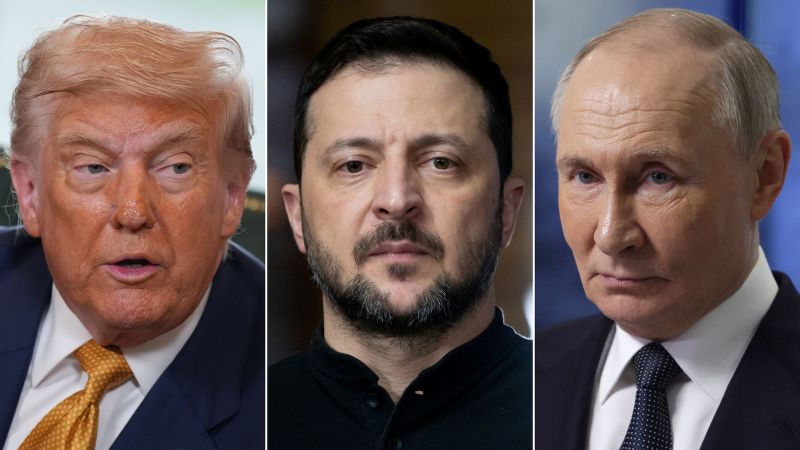
Table of Contents
Birthday Calls and Geopolitical Shifts
In a sequence of diplomatic maneuvers timed precisely to his 80th birthday, U.S. President Donald Trump engaged in high-stakes phone conversations with Russian President Vladimir Putin and Ukrainian President Volodymyr Zelensky. While the timing appeared celebratory, the content of these calls suggests a calibrated effort to accelerate a resolution to the conflict in Ukraine and stabilize tensions with Iran.
- Direct Engagement: Trump held an hour-long call with Putin and a detailed discussion with Zelensky, focusing on peace frameworks for Ukraine.
- Envoy Deployment: Jared Kushner and Steve Witkoff are scheduled for upcoming visits to Russia, signaling a shift toward personalized, high-level diplomacy.
- Iran Breakthrough: The Kremlin reports that Trump informed Putin that a deal between the U.S. and Iran is imminent.
- G7 Alignment: Trump and Zelensky agreed to further their discussions in person during the upcoming G7 Summit in France.
The conversation with Vladimir Putin, which lasted just under an hour, was characterized by the Kremlin as a discussion on bilateral relations between Moscow and Washington. However, the core of the dialogue centered on the war in Ukraine. According to Kremlin aide Yri Ushakov, Trump reiterated his call for an immediate end to the hostilities—a recurring theme of his foreign policy approach that prioritizes rapid negotiation over prolonged attrition.
The Envoy Strategy: Kushner and Witkoff’s Role
Perhaps the most significant operational detail emerging from the Kremlin’s readout is the agreement that Steve Witkoff and Jared Kushner will return to Russia. This move signals a preference for “back-channel diplomacy,” where trusted aides act as intermediaries to bypass the rigid formalities of the State Department and traditional diplomatic protocols.
By utilizing Kushner—who previously managed Middle East peace efforts—and Witkoff, the Trump administration is attempting to establish a direct line of communication with Putin that can move faster than official government channels. This approach is designed to test the waters for a potential ceasefire agreement without committing the U.S. to a public position before a deal is viable.
The Moscow Invitation and Zelensky’s Stance
During the call, Putin extended a specific invitation: if President Volodymyr Zelensky wishes to meet, he should travel to Moscow. This is a strategic move by the Russian leader, intended to frame the terms of any potential peace negotiation. By requesting that Zelensky come to Moscow, Putin is asserting dominance over the venue and the conditions of the dialogue.
Historically, Zelensky has consistently rejected invitations to Moscow, viewing them as a trap or a demand for surrender. The Ukrainian administration has maintained that any peace talks must occur on neutral ground and be based on the restoration of Ukrainian territorial integrity. The tension between Putin’s invitation and Zelensky’s refusal underscores the fundamental gap that Trump is attempting to bridge.
Beyond Ukraine: The Iran Variable
In a surprising revelation from the Kremlin’s handover, Trump reportedly informed Putin that an agreement between the U.S. and Iran is imminent. This detail is critical because it suggests that the Trump administration is pursuing a broader, multi-regional stabilization strategy. If a deal with Iran is announced, it may provide Trump with the diplomatic leverage and “win” necessary to apply more pressure on the Russia-Ukraine front.
Geopolitical analysts note that Moscow and Tehran have strengthened their military ties throughout the conflict in Ukraine, with Iran providing drones and missile technology to Russia. A shift in the U.S.-Iran relationship could potentially alter Russia’s calculations regarding its support networks.
For the average observer, these calls represent a departure from the structured, institutional diplomacy of previous administrations. Trump is utilizing a “deal-maker” framework, treating the Ukraine war as a negotiation between principals rather than a systemic failure of international law. This means that outcomes may be reached faster, but they may also involve concessions that traditional allies—particularly in the EU—might find unacceptable.
The G7 Summit: The Next Critical Milestone
While the phone calls established the groundwork, the G7 Summit in France will serve as the primary arena for tangible progress. President Zelensky confirmed that his discussion with Trump was detailed and that they agreed to expand their dialogue in person.
The G7 meeting provides a unique opportunity for Trump to align his peace goals with the leaders of the world’s most advanced economies. The challenge will be balancing his desire for a quick deal with the G7’s commitment to supporting Ukraine’s sovereignty. If Trump can convince the G7 to support a modified peace plan, it would give him the international legitimacy needed to finalize a deal with Putin.
Comparing Diplomatic Approaches
| Feature | Traditional Diplomacy | Trump’s Birthday Strategy |
|---|---|---|
| Communication | State Department / Embassies | Direct leader-to-leader calls |
| Intermediaries | Career Diplomats | Personal Aides (Kushner/Witkoff) |
| Timing | Scheduled summits/treaties | Rapid, often opportunistic timing |
| Goal | Long-term stability/norms | Immediate deal/ceasefire |
Addressing the Geopolitical Context
The complexity of these interactions cannot be overstated. While the Kremlin is quick to publicize the “friendly” nature of the call and the birthday congratulations, this is often a tactic to create a perception of U.S. pivot away from Ukraine. Conversely, Zelensky’s emphasis on the “detailed discussion” about peace serves to reassure his domestic audience and Western allies that he remains engaged with the U.S. president.
The fact that the White House has yet to provide a full official comment on the Iran deal suggests that the administration is keeping its cards close to the chest until a formal announcement can be made. This opacity is a hallmark of the current strategy: keep the adversary guessing while moving the pieces into place.
Frequently Asked Questions
Will Zelensky visit Moscow as Putin suggested?
It is highly unlikely. President Zelensky has historically rejected visits to Moscow, preferring neutral territories or Western capitals to ensure security and maintain the moral high ground regarding Ukrainian sovereignty.
Who are Steve Witkoff and Jared Kushner in this context?
They are serving as unofficial diplomatic envoys. Jared Kushner previously led the Middle East peace initiative, and Steve Witkoff is a close confidant of Trump. Their role is to facilitate direct, less formal negotiations with Russian officials.
What is the significance of the G7 Summit in France?
The G7 Summit is where the world’s leading industrial democracies coordinate policy. It will be the first opportunity for Trump and Zelensky to hold an in-person, high-level strategic session since these birthday calls.
Is the US-Iran deal confirmed?
The Kremlin claims Trump informed Putin that a deal is “imminent,” but the White House has not yet officially confirmed the details or the timeline of such an agreement.
How does this affect the current war in Ukraine?
These calls indicate an intensified push for a negotiated settlement. While they don’t guarantee a ceasefire, the deployment of envoys to Russia suggests that the U.S. is actively exploring the terms of a possible end to the conflict.