Call of Duty: Modern Warfare 3 (2011) Revisited: A Legacy of Cinematic Action and Multiplayer Evolution
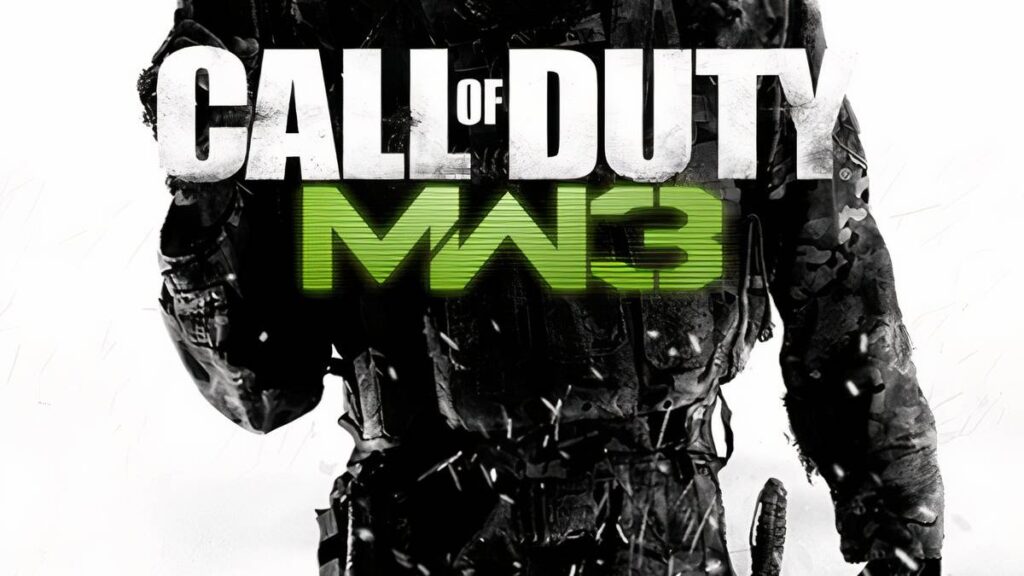
Table of Contents
The Weight of Expectation: The Arrival of Modern Warfare 3
When Activision released Call of Duty: Modern Warfare 3 in November 2011, it wasn’t just launching another game; it was closing a chapter of gaming history. Following the seismic success of Modern Warfare 2, the industry was watching to see if Infinity Ward and Sledgehammer Games could maintain the momentum of a narrative that had already redefined the cinematic scale of first-person shooters (FPS).
- Narrative Closure: Successfully concludes the Task Force 141 storyline and the conflict with Vladimir Makarov.
- Multiplayer Iteration: Introduced refined killstreaks and a massive array of maps that set the standard for competitive CoD play for years.
- Co-Op Expansion: The Spec-Ops mode provided a tactical bridge between the linear campaign and the chaos of multiplayer.
- Industry Impact: Pushed the boundaries of ‘Hollywood-style’ gaming, blending scripted sequences with tight gunplay.
For those who experienced the game at launch, it felt like the inevitable climax of a global conflict. For newer players looking back, it represents the peak of the ‘Golden Era’ of console shooters—before the shift toward battle royales and seasonal battle passes took over the industry.
Deconstructing the Campaign: A Global War in 6 Hours
The campaign of Modern Warfare 3 is less about exploration and more about a relentless, high-stakes pursuit. It picks up immediately after the cliffhanger of the second game, expanding the theater of war from the US and Russia into Europe, Africa, and Asia.
Technically, the game utilized a highly scripted approach to storytelling. While this limited player agency, it allowed for a level of spectacle that was virtually unmatched in 2011. The Siege of New York and the battle for Prague are prime examples of the ‘set-piece’ design that would later influence titles like Battlefield and even the later Call of Duty reboots.
Narrative Stakes and Character Arcs
The emotional core of the story rests on the remnants of Task Force 141. The game avoids the subtlety of early tactical shooters, opting instead for high-drama betrayals and shocking deaths. By focusing the plot on the singular goal of neutralizing Makarov, the game maintains a driving pace, though critics at the time, including analysts from GameRant, noted that the gameplay loop could occasionally feel repetitive.
The Multiplayer Machine: Refinement Over Revolution
If the campaign provided the spectacle, the multiplayer provided the longevity. Modern Warfare 3 didn’t reinvent the wheel; it polished it to a mirror finish. The core loop—kill, earn points, trigger a streak, repeat—was perfected here.
The introduction of a wider variety of weaponry and the refinement of the ‘Perk’ system allowed for deeper customization. Players could finally fine-tune their loadouts to fit specific roles, whether they were aggressive ‘rushers’ or tactical ‘snipers’. This level of granularity is where the game’s true expertise lay, ensuring that the meta-game remained fluid through multiple patches.
The Map Ecosystem
From the tight corridors of ‘Terminal’ to the wide-open vistas of ‘Outset’, the map design in MW3 understood the balance between cover and visibility. The ‘three-lane’ philosophy, which has since become a staple in games like Overwatch and Valorant, was heavily utilized here to ensure balanced competitive play.
| Feature | MW2 (2009) | MW3 (2011) | Impact |
|---|---|---|---|
| Killstreaks | Experimental | Refined/Balanced | Lowered frustration for losing teams |
| Map Variety | Broad | Diverse/Thematic | Improved tactical diversity |
| Co-Op | Basic Spec-Ops | Survival Mode | Increased replayability |
Spec-Ops and Survival: The Co-Op Experiment
One of the most significant additions to the 2011 entry was the expansion of Spec-Ops. Rather than just linear missions, the addition of Survival Mode introduced an element of emergent gameplay. Players were dropped into an area and had to hold out against waves of enemies, scavenging for weapons and ammo.
This shift toward a ‘horde’ mechanic was a precursor to the cooperative survival modes seen in later titles like Left 4 Dead or the later Zombies iterations in the CoD universe. It rewarded teamwork and tactical positioning over the ‘run-and-gun’ approach typical of the multiplayer mode.
What This Means: The Legacy of the Modern Warfare Era
When we analyze Modern Warfare 3 through a modern lens, we see the blueprint for the contemporary AAA blockbuster. The game’s success proved that players were willing to trade open-world freedom for a tightly paced, cinematic experience.
For the Casual Player: It demonstrated that gaming could be a ‘movie you play,’ lowering the barrier to entry for non-gamers who were attracted to the high production values.
For the Competitive Scene: It helped codify the ‘modern’ FPS movement—fast, twitch-based, and heavily reliant on loadout optimization. The transition from the slower, more methodical pace of the original 2007 game to the frenetic speed of MW3 marked a permanent shift in the genre.
Critical Analysis: The Flaws in the Formula
Despite its success, Modern Warfare 3 was not without its shortcomings. The most prominent critique was its reliance on ‘The CoD Formula.’ By 2011, the pattern of ‘briefing → cinematic battle → brief dialogue → cinematic battle’ had become predictable. While the execution was flawless, the innovation was minimal.
Furthermore, the narrative’s reliance on shock value—specifically the deaths of key characters—sometimes overshadowed the actual plot development. This ‘shock-and-awe’ approach to storytelling is a double-edged sword that provided immediate impact but lacked the long-term emotional depth found in series like The Last of Us or BioShock.
FAQ: Common Questions About Call of Duty: Modern Warfare 3 (2011)
How does the 2011 version differ from the 2023 reboot?
The 2011 version is a direct sequel to the original Modern Warfare trilogy, focusing on a global war. The 2023 version is a ‘reimagining’ of the original 2007 game, featuring updated graphics, a different story structure, and vastly different movement mechanics (like sliding).
Is the campaign still playable on modern consoles?
Yes, through backward compatibility on Xbox and various remastered versions or legacy ports on PlayStation, the single-player campaign remains fully playable. However, official online multiplayer servers for the 2011 version are largely defunct on older hardware.
What made the multiplayer of MW3 so influential?
MW3 perfected the ‘Killstreak’ system and the ‘Create-a-Class’ loadout, which allowed players to express their playstyle through gear. This created a highly addictive progression loop that many modern shooters still emulate.
Was Modern Warfare 3 considered a ‘Game of the Year’ contender?
While it received high scores (such as an 8/10 from GameRant) and massive commercial success, it was often viewed as a refinement of its predecessor rather than a revolutionary leap forward.
What was the significance of Spec-Ops in this game?
Spec-Ops offered a tactical, cooperative alternative to the solo campaign. The Survival mode, in particular, introduced a level of unpredictability and tension that contrasted with the scripted nature of the main story.
Concluding the Conflict
Ultimately, Call of Duty: Modern Warfare 3 stands as a monument to the era of the ‘Maximalist Shooter.’ It did not attempt to change the world; it attempted to perfect the experience of a global war simulation. By balancing high-octane action with a refined multiplayer ecosystem, it cemented the Modern Warfare brand as a cultural powerhouse.
While the industry has since moved toward live-service models and open maps, the tight, focused design of the 2011 classic remains a benchmark for how to deliver a cohesive, cinematic gaming experience.