UK Defense Crisis: Starmer Loses Top Officials as Military Spending Deadlock Hits Breaking Point
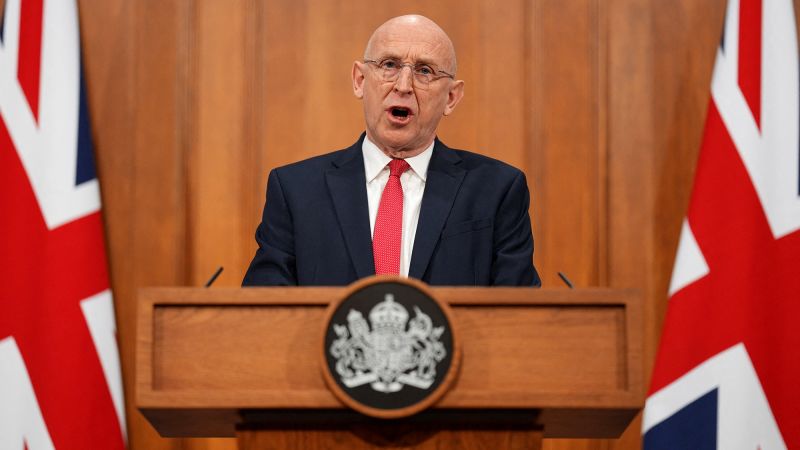
Table of Contents
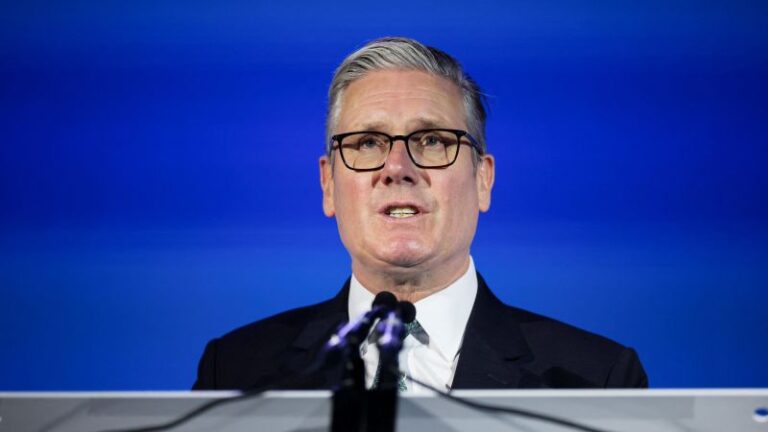
The British government has been plunged into a strategic and political crisis following the abrupt resignations of Defense Secretary John Healey and Minister of State for the Armed Forces Al Carns. The departures, announced on Thursday, mark a critical rupture between the Prime Minister’s office and the military establishment over the adequacy of UK defense spending in an era of accelerating geopolitical volatility.
- Resignation Drivers: John Healey and Al Carns cited a systemic failure to provide the resources necessary to counter evolving threats, specifically from Russia.
- The Fiscal Gap: Disagreement persists over whether the current budget meets the 3.5% GDP target required for modern deterrence.
- Procurement Crisis: Former Royal Marine Al Carns highlighted that the speed of technological conflict is outpacing the UK’s procurement capabilities.
- Political Fallout: The exodus comes as Keir Starmer faces plummeting popularity and a potential leadership challenge from Andy Burnham.
The Catalyst: A Fundamental Clash Over Readiness
The resignations were not mere political disagreements but were framed by both officials as matters of national security. In a letter shared via X, John Healey argued that the current allocations fall “well short of what is required for defence and the country at this dangerous time.” This suggests a breakdown in trust between the Ministry of Defence (MoD) and the Treasury.
Al Carns, bringing the perspective of a former Royal Marine, emphasized a more technical failure: the “character of conflict.” According to Carns, the UK is attempting to fight tomorrow’s wars with a budget designed for a “calmer” era. This refers to the shift toward electronic warfare, drone integration, and AI-driven kinetics—areas where procurement cycles often lag behind actual battlefield requirements.
The 2030 Timeline and Russian Aggression
A central point of contention is the intelligence assessment regarding Russia. Healey pointedly reminded Prime Minister Keir Starmer that British intelligence suggests Russia could be capable of attacking NATO countries as early as 2030. This five-year window creates an urgent requirement for “rapid capability acquisition,” which requires liquid capital that the Treasury has been unwilling to release.
For the military, this isn’t about marginal gains; it is about the viability of the UK’s deterrent and its ability to maintain the “integrated review” promises. When intelligence timelines shrink, the cost of readiness spikes, creating a friction point with Starmer’s goal of sustainable economic growth.
The Starmer Defense: Sustainable Growth vs. Immediate Need
Prime Minister Keir Starmer has pushed back against the narrative of underfunding. In a public response to Healey, Starmer defended his record, citing the highest sustained increase in defense spending since the Cold War. He argued that the government’s approach is a balance of “sustainable” growth and military necessity.
Starmer’s strategy relies on the Defence Investment Plan, which aims to modernize the force without triggering a fiscal crisis that would necessitate deeper cuts to domestic services. He noted that the 2024 decision to increase spending required difficult trade-offs, including cuts to the international aid budget.
“I am determined to rebuild our country after years of being buffeted by crises. I am sorry that you will not be part of that work going forward.” — Keir Starmer
However, the Prime Minister’s insistence that money is being “spent wisely” to back jobs and growth clashes with the military’s demand for immediate, non-negotiable readiness. In a conflict scenario, “job creation” in the defense sector is a long-term benefit, whereas “operational capability” is an immediate requirement.
Technical Breakdown: The Procurement Lag
To understand Al Carns’ frustration, one must look at the defense procurement cycle. Traditionally, the UK MoD operates on multi-year, sometimes multi-decade, procurement timelines. For example, the development of next-generation fighter jets or naval vessels takes years of planning, testing, and iterative budgeting.
Modern warfare, as seen in Ukraine and other theaters, has shifted toward rapid iterative procurement. Software-defined warfare, where drones and AI tools are updated weekly rather than every decade, requires a flexible funding model. The current UK budget structure is rigid, often preventing the MoD from pivoting to new technologies without lengthy Treasury approval processes. This “budget written for a calmer world” effectively handicaps the military’s ability to innovate at the speed of the adversary.
Comparing UK Defense Spending Targets
The debate centers on the percentage of GDP allocated to defense. While NATO suggests a minimum of 2%, the UK has flirted with a 3.5% target to maintain its status as a global power.
| Metric | NATO Minimum | Current UK Trend | Proposed/Requested Target |
|---|---|---|---|
| GDP Percentage | 2.0% | ~2.3% – 2.5% | 3.5% |
| Focus Area | Collective Defense | Sustainable Modernization | Rapid Capability Acquisition |
What This Means for the UK and NATO
The resignation of two key defense figures immediately before a NATO summit is a significant signal of instability. For NATO allies, the UK is a primary pillar of European security. If the UK’s internal leadership is fractured over funding, it may weaken the alliance’s collective bargaining power and strategic posture against Russia.
For the Military: There is a growing sense of abandonment. When a Minister of State for the Armed Forces—especially one with a combat background—publicly states that the government is “failing” the troops, it damages morale and trust within the ranks.
For the Political Landscape: This is no longer just about tanks and missiles; it is about survival for Keir Starmer. The timing is catastrophic. With local election losses and the impending Makerfield by-election, Andy Burnham represents a viable alternative to a Prime Minister who appears unable to keep his own cabinet aligned on core national security issues.
Frequently Asked Questions
Why did John Healey and Al Carns resign?
They resigned due to a fundamental disagreement with Prime Minister Keir Starmer over defense spending. Both officials argued that the current budget is insufficient to meet the threats posed by Russia and the changing nature of modern warfare.
What is the 3.5% GDP target mentioned?
This refers to the goal of spending 3.5% of the UK’s Gross Domestic Product on defense. While the NATO minimum is 2%, the MoD leadership argues that 3.5% is necessary to ensure the UK remains a capable global military power in a high-threat environment.
Who is replacing John Healey?
Downing Street has appointed Security Minister Dan Jarvis as the new Secretary of State for Defense.
How does the 2030 Russia threat affect the budget?
Intelligence reports suggesting Russia could attack NATO by 2030 mean the UK has a very narrow window to upgrade its hardware and software. This creates a demand for immediate, large-scale funding increases rather than gradual, sustainable growth.
Is Keir Starmer facing a leadership challenge?
While no formal bid has been launched, the resignations and poor election results have emboldened rivals. Manchester Mayor Andy Burnham is widely seen as a potential challenger, depending on the outcome of upcoming by-elections.
The appointment of Dan Jarvis as the new Defense Secretary suggests that Starmer is seeking a loyalist who can implement the Defence Investment Plan without the public friction that characterized Healey’s tenure. However, if the underlying funding gap is not addressed, the systemic issues—and the resignations—may continue.