Trump Claims U.S.-Iran War is Over, but Tehran Rejects Deal Claims Amid Kharg Island Threats
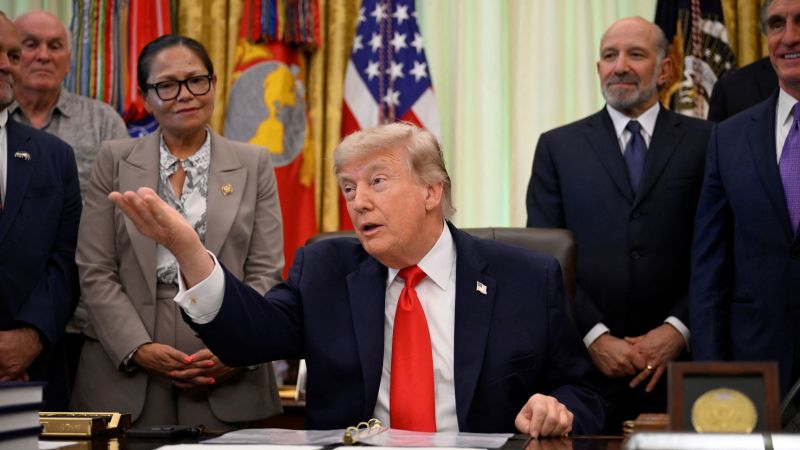
Table of Contents
Diplomatic Friction and Divergent Narratives
The geopolitical landscape shifted abruptly on Thursday as President Donald Trump announced what he termed a “great settlement” between the United States and Iran, claiming that the U.S. has effectively “ended the war with Iran.” The announcement, delivered with the President’s characteristic confidence, suggested a resolution that would not only cease active hostilities but also reopen the Strait of Hormuz, the world’s most critical oil transit chokepoint.
However, the celebratory tone from Washington has not been mirrored in Tehran. In a stark contrast to the White House narrative, Iran’s foreign ministry spokesperson informed state media that no final decision on any agreement has been reached, dismissing reports of a deal as “merely speculation.” This disconnect creates a precarious vacuum of information during a period of high military escalation, where the difference between a diplomatic breakthrough and a strategic miscalculation is measured in hours.
- Contradictory Claims: Trump asserts a war-ending deal is in place; Iran’s foreign ministry maintains no final agreement exists.
- Critical Infrastructure: The proposed deal aims to reopen the Strait of Hormuz, vital for global energy security.
- Military Escalation: Despite peace claims, Trump threatened the seizure of Kharg Island, while Iran reported strikes on U.S. bases.
- Diplomatic Logistics: Vice President JD Vance has been tapped for a potential signing ceremony in Europe.
The Strategic Importance of the Strait of Hormuz and Kharg Island
To understand why this “settlement”—real or perceived—matters, one must look at the geography of energy. The Strait of Hormuz is the jugular vein of the global oil economy. Roughly one-fifth of the world’s total oil consumption passes through this narrow waterway. Any instability here triggers immediate volatility in Brent and WTI crude prices, affecting everything from gas prices at the pump to the cost of petrochemical plastics.
Equally critical is Kharg Island. According to current trade data, this artificial island handles approximately 90% of Iran’s crude oil exports. By threatening to “take” Kharg Island, the U.S. is essentially threatening to shut down Iran’s primary economic engine. The paradox of Trump claiming a peace deal while simultaneously threatening the seizure of Iran’s most vital export hub suggests a strategy of “maximum pressure” applied even during the negotiation of a ceasefire.
Technical Breakdown: The Oil Chokepoint Dynamics
The tension revolves around transit security. When the Strait of Hormuz is threatened, shipping insurance premiums (War Risk Insurance) skyrocket, making it economically unviable for tankers to enter the Gulf. A formal agreement to “reopen” the Strait implies a mutual security guarantee—a commitment from Tehran not to mine the waters or harass tankers, and a commitment from Washington to cease certain sanctions or military incursions.
Analyzing the ‘Great Settlement’ vs. Tehran’s Denial
The discrepancy between the two governments is not merely a matter of timing but of fundamental framing. President Trump has frequently utilized a “deal-making” rhetoric where the announcement of a deal serves as a catalyst to force the other party into a final position. By stating the war has ended, he may be attempting to create a political reality that Tehran feels compelled to join to avoid further escalation.
Conversely, Iran’s foreign ministry is operating on a baseline of deep distrust. The use of the word “speculation” by the spokesperson suggests that while talks may be occurring—likely through intermediaries in Europe or the Middle East—the specific terms regarding sanctions relief, nuclear limits, or regional influence have not been codified.
“Reports of a deal were merely speculation.” — Iranian Foreign Ministry Spokesperson via State Media
This friction is compounded by the reported military activity. While the U.S. speaks of signing ceremonies, Tehran claims to have targeted U.S. bases in the region for two consecutive days. This “hybrid” state of affairs—simultaneous diplomacy and combat—is typical of high-stakes brinkmanship but increases the risk of accidental escalation.
What This Means: Practical Implications
For the average observer, the immediate impact of these contradictory statements is market instability. For industry professionals and policymakers, the implications are deeper:
- Energy Markets: If the deal is verified, global oil prices would likely stabilize or dip due to the restored flow of Iranian crude and decreased risk in the Hormuz region. If the deal is a facade, prices will remain volatile.
- Diplomatic Precedents: The involvement of Vice President JD Vance in a European signing ceremony suggests a desire to internationalize the agreement, potentially bringing in EU powers to guarantee the terms.
- Security Posture: The threat to Kharg Island indicates that the U.S. is keeping a “kinetic option” on the table to ensure Iran doesn’t walk away from the table.
For technology and infrastructure firms, this uncertainty affects the rollout of energy-dependent projects and the security of undersea cables that run adjacent to these shipping lanes.
The Role of European Mediators
The mention of a signing ceremony in Europe is a critical detail. Historically, Europe has served as the diplomatic bridge between Washington and Tehran. By moving the potential ceremony to neutral ground, the U.S. avoids the optics of a surrender and allows Iran to save face. However, the efficacy of this approach depends on whether the European partners are providing actual guarantees or merely providing a venue.
Frequently Asked Questions
What is the Strait of Hormuz and why is it important?
The Strait of Hormuz is a narrow waterway between Oman and Iran. It is the only sea passage from the Persian Gulf to the open ocean. Because it is the primary exit route for oil from Saudi Arabia, Iraq, Kuwait, and the UAE, any closure can cause global energy prices to spike instantly.
What is Kharg Island and why is it a target?
Kharg Island is an Iranian oil terminal that processes and ships the vast majority of the country’s crude oil. Because it is the central hub for Iran’s oil revenue, it is the most sensitive economic target in the country; seizing or disabling it would effectively bankrupt the Iranian state’s primary source of foreign currency.
Has a deal actually been signed?
As of the latest reports, no official document has been signed. While President Trump has declared a “settlement,” the Iranian government has explicitly denied that a final decision has been reached, labeling the claims as speculation.
Why is JD Vance mentioned in the deal?
Vice President JD Vance has been identified by Trump as a potential attendee at a signing ceremony in Europe. This indicates the administration’s intent to involve its highest level of leadership to signal the importance and permanence of the agreement.
How does this affect global oil prices?
Uncertainty usually leads to price increases. If the market believes a deal is coming, prices may drop. However, if the market sees the threat to Kharg Island as a sign of impending war, prices will likely rise due to the fear of supply disruptions.
Verification and Sourcing
The information in this report is synthesized from live updates provided by Reuters and official statements from the White House and the Iranian Foreign Ministry. It is important to distinguish between presidential proclamations (Trump’s claims) and diplomatic confirmations (Tehran’s denial). At this stage, there is no third-party verification from international monitoring bodies or the UN confirming the existence of a signed treaty.