Dell’s New XPS 13 Targets the MacBook Neo’s Momentum, But Windows May Be the Bottleneck
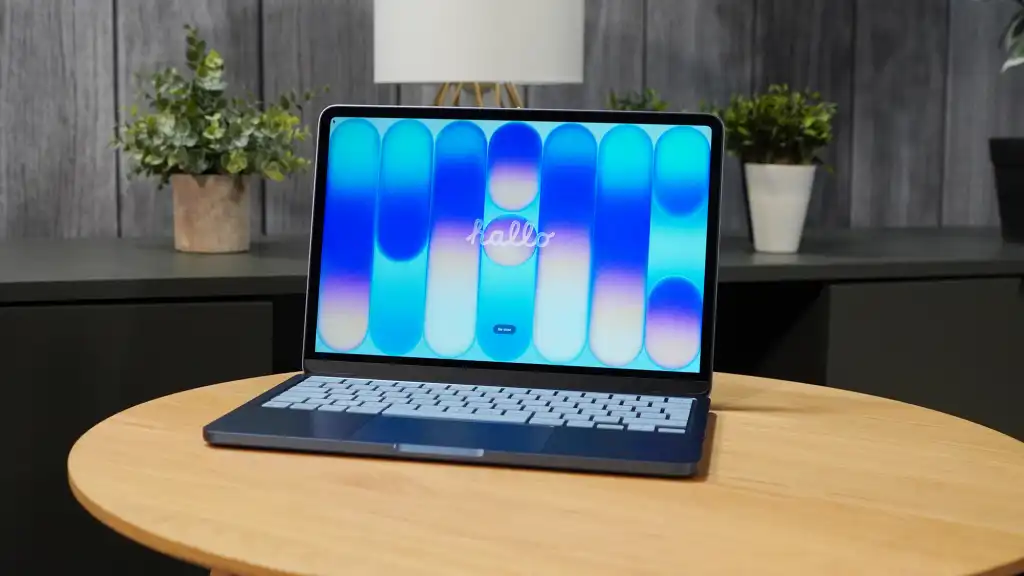
Table of Contents
The entry-level laptop market is witnessing a rare moment of genuine disruption. Apple’s MacBook Neo, priced at $599, has shifted the baseline for what a budget machine should feel like, moving the needle from “functional utility” to a premium experience. The industry response was swift. At Computex, Dell unveiled a new $699 XPS 13, a machine that appears designed specifically to neutralize Apple’s hardware advantage in the sub-$700 segment.
Closing the Hardware Gap
For years, the budget Windows experience has been defined by plastic chassis and lackluster displays. Dell is attempting to break that cycle. On paper, the new XPS 13 is a direct volley against the Neo. Weighing in at 2.2 pounds with a claimed 17-hour battery life, it matches the portability and endurance that make the Neo attractive. In some areas, Dell is actually pushing further; the inclusion of an OLED display and a backlit keyboard gives it a spec-sheet edge over the MacBook Neo’s more conservative screen.
This shift in philosophy is critical. In the budget space, the tactile experience—the hinge, the trackpad, and the screen vibrancy—often dictates user satisfaction more than raw clock speeds. By bringing the premium build quality of the higher-end XPS line down to the $699 price point, Dell is acknowledging that Apple’s strategy of “premium feel at a low price” is the new winning formula.
The 8GB RAM Dilemma
Despite the hardware parity, a significant technical red flag remains: the Dell XPS 13 ships with 8GB of RAM. In a vacuum, 8GB might seem sufficient for basic web browsing and document editing. However, the real-world experience of 8GB of RAM varies wildly depending on the operating system managing it.
The MacBook Neo leverages a recycled iPhone-based processor and macOS’s aggressive memory compression and swap management. This allows the machine to handle punishing workloads—such as 4K video editing or dozens of open browser tabs—without the system stuttering. Reports from early power users suggest the Neo punches far above its weight class because the software doesn’t fight the hardware.
Windows 11, conversely, has a well-documented history of inefficiency regarding memory allocation. While Microsoft is reportedly focusing 2026 updates on performance and “craft” to reduce system bloat, the current state of Windows memory management is often a bottleneck. For users who multitask across Discord, Spotify, and heavy Chrome instances, 8GB on Windows can quickly lead to a sluggish experience that the MacBook Neo simply avoids.
The Software Optimization Crisis
The discrepancy isn’t just about the OS, but a systemic issue within the PC ecosystem. In a recent interview, Microsoft CEO Satya Nadella admitted that during the prime PC era, software optimization took a backseat. Developers largely relied on the trajectory of faster processors to mask inefficient code rather than optimizing the software itself.
This legacy of “brute forcing” performance is exactly why a high-spec Windows machine can sometimes feel slower than a lower-spec Mac. The Dell XPS 13 utilizes the new Intel Wildcat Lake processor, designed specifically for efficiency in budget notebooks. While this chip should provide a smooth experience for general users, it cannot magically fix the underlying way Windows 11 handles background processes and RAM.
If Dell’s goal was to mirror the MacBook Neo’s success, they have succeeded in the physical realm. But until Microsoft can deliver a version of Windows that matches the lean efficiency of Apple’s silicon-integrated software, the XPS 13 may find that its greatest obstacle isn’t Apple’s hardware, but its own operating system.