The Low-Fi Revival: Why Budget Compacts Like the Kodak Pixpro are Trending Again
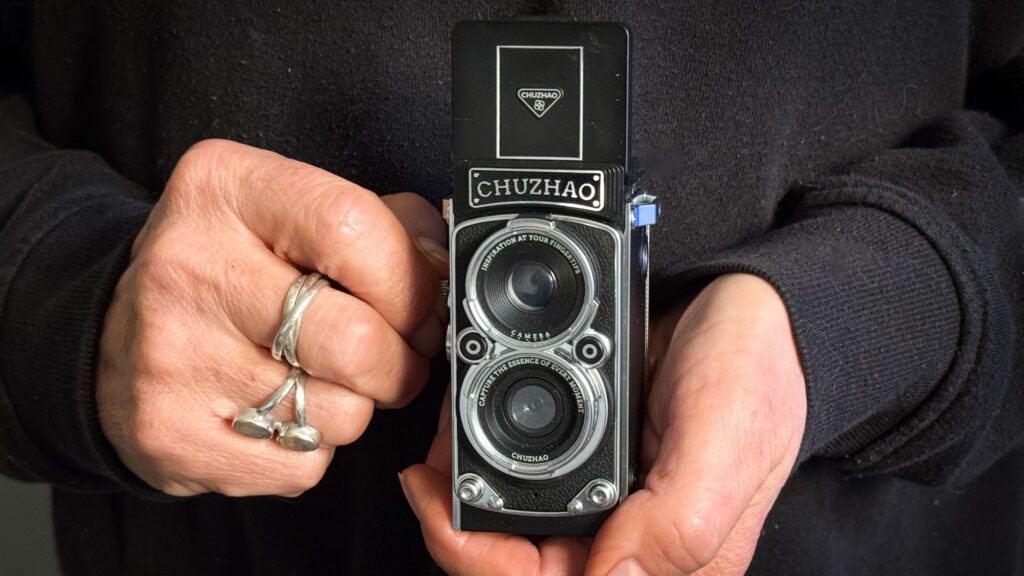
Table of Contents
The Aesthetic of Imperfection
For the last decade, the narrative in consumer electronics has been one of relentless progression: more megapixels, larger sensors, and sophisticated computational photography that makes every shot look professional. But a counter-movement is taking hold. From TikTok to Instagram, there is a surging demand for ‘digicams’—the humble, low-resolution compact cameras of the early 2000s—driven by a generation that finds smartphone imagery too sterile and curated.
This nostalgia isn’t just about the hardware; it’s about the output. The slight motion blur, the harsh direct flash, and the limited dynamic range of a budget sensor provide a visceral, ‘authentic’ quality that AI-enhanced iPhone photos cannot replicate. This shift has breathed new life into entry-level gear, making models like the Kodak Pixpro series and niche retro-clones surprisingly relevant again.
Comparing the Budget Contenders
Currently, several entry-level options are seeing a resurgence in interest, often appearing at price points that make them impulsive purchases rather than major investments. At the mid-tier of this budget bracket sits the Kodak Pixpro FZ45. Unlike many modern digital devices, the FZ45 relies on AA batteries, a quirk that appeals to those wanting a tactile, old-school experience. Its primary draw is the optical zoom, offering a level of versatility for travel and distance shots that the more specialized ‘selfie’ cameras lack.
For those leaning into the social-first nature of the trend, the Kodak Pixpro C1 serves a different purpose. Equipped with a 180-degree flip screen and a fixed wide-angle lens, it is designed specifically for the vlog-style aesthetic. While it sacrifices the zoom capabilities of the FZ45, the C1 is optimized for the ‘POV’ style of content that dominates current internet culture, where the convenience of framing a selfie outweighs the need for raw image fidelity.
Then there is the Chuzhao Digital Camera, which represents the extreme end of the retro-revival. Styled after 1960s twin-lens reflex (TLR) cameras, the Chuzhao is less a piece of high-tech equipment and more of a creative tool. By utilizing a waist-level viewfinder and a square-format output, it forces the photographer to slow down and engage with the environment in a way that is fundamentally opposite to the ‘point-and-shoot’ nature of a smartphone.
The Technical Trade-off
From a technical standpoint, these cameras are objectively inferior to the sensors found in a modern smartphone. A 12MP or 16MP sensor in a budget compact lacks the light-gathering capability and processing power of a flagship mobile device. However, that technical limitation is precisely the feature being sold. The ‘blown-out’ highlights of a cheap flash and the grainy shadows of a small sensor create a mood that feels more like a memory and less like a digital file.
| Model | Primary Strength | Key Feature | Target Use Case |
|---|---|---|---|
| Kodak Pixpro FZ45 | Versatility | Optical Zoom | General Travel / Daily Use |
| Kodak Pixpro C1 | Accessibility | 180-degree Flip Screen | Selfies / Vlogging |
| Chuzhao Digital | Artistic Expression | TLR Retro Design | Experimental / Artistic |
Market Implications
This trend highlights a fascinating pivot in digital culture: the move from ‘perfection’ to ‘character.’ As AI-generated imagery and hyper-processed photos become the norm, consumers are seeking tangible, imperfect alternatives. For brands like Kodak, it’s a welcome return to the spotlight, proving that there is still a viable market for standalone hardware if it offers an emotional or aesthetic experience that a software update cannot provide.
While these devices may not replace the smartphone as the primary tool for documentation, they are carving out a niche as the ‘digital equivalent’ of film photography—a way to capture a moment without the pressure of digital perfection.