Beyond the Spec Sheet: GizStreet Launches 2026 Community TV Awards to Gauge Real-World Performance
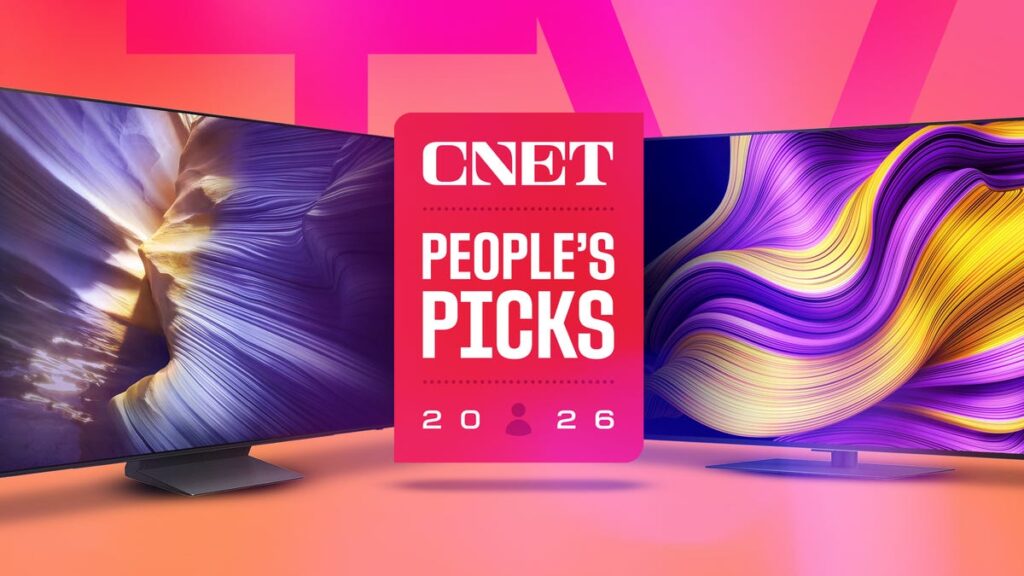
Table of Contents
The Gap Between Lab Tests and Living Rooms
In the world of professional display reviews, the narrative is usually driven by numbers. We talk about peak nits of brightness, Delta E color accuracy, and the precise millisecond response times of 144Hz panels. But for the average consumer, a TV isn’t a set of benchmarks; it’s the centerpiece of a living room where ambient light from a south-facing window or the aggressive glare of a ceiling fan often renders a lab-tested ‘perfect black’ irrelevant.
This disconnect is why GizStreet is launching our 2026 Community TV Awards. Rather than relying solely on controlled environment testing, we are opening the floor to our readership to determine which displays are actually delivering on their promises in the wild. Starting today and running through the end of June, we are collecting direct user data to identify the televisions that balance performance, reliability, and interface usability.
Why User Data Matters in 2026
The current landscape of television technology has reached a plateau of sorts. While we’ve seen the rise of MicroLED and the refinement of QD-OLED, the marginal gains in picture quality are becoming harder to quantify through traditional reviews. What matters now is the experience. How does the smart OS hold up after six months of use? Does the automatic brightness adjustment actually work, or does it leave the screen too dim during a sunny afternoon football game?
Our goal is to synthesize this crowdsourced data with our own technical analysis. By tracking which models users are consistently recommending to friends and family, we can identify patterns that a two-week review cycle often misses—such as long-term panel degradation, software bloat, or the actual utility of new AI-upscaling features that manufacturers tout in their press releases.
Defining the ‘Best’ in a Fragmented Market
The challenge for 2026 is that ‘the best TV’ no longer exists as a single entity. The needs of a competitive gamer playing the latest titles on a PS6 or high-end PC are fundamentally different from someone who wants a cinematic, moody atmosphere for 4K HDR movies, or a budget-conscious family looking for a durable screen for the kids’ room.
We are specifically looking for feedback across several key categories:
- Premium OLEDs: Assessing whether the latest iterations from LG and Samsung have truly solved the brightness trade-offs.
- Mid-Range LED/Mini-LED: Finding the sweet spot where value meets performance without excessive light bleed.
- Budget Workhorses: Identifying which entry-level sets provide a usable experience without frustrating interface lag.
- Gaming-Centric Displays: Evaluating the real-world impact of VRR (Variable Refresh Rate) and low-latency modes.
The survey process is designed to be frictionless, taking less than three minutes to complete, focusing on qualitative satisfaction and specific pain points rather than just a numerical score.
From Data to Verdict
Once the voting window closes at the end of June, the GizStreet editorial team will analyze the results. We won’t simply announce the most popular brand; we will cross-reference the community favorites against our internal hardware benchmarks. If a particular model is beloved by users but fails our color accuracy tests, we’ll explore why that discrepancy exists. Often, ‘perceived quality’—the way a picture looks to the human eye in a casual setting—is more valuable to a buyer than a perfect score on a colorimeter.
The final roundup will be published in July, serving as a comprehensive guide for anyone looking to upgrade their home theater setup in the second half of the year. Whether you are rocking a flagship 83-inch monster or a sensible 55-inch budget pick, your input helps move the needle away from manufacturer marketing and toward actual user utility.