The $200 MacBook Air: Decoding the Appeal of Grade A/B Refurbished Hardware in 2026
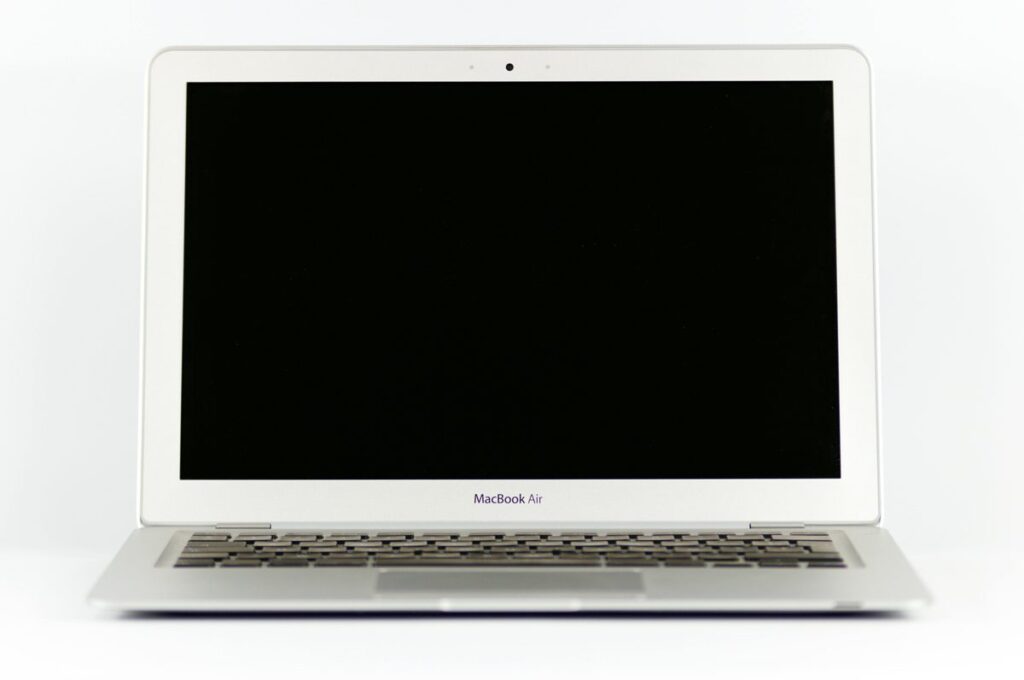
Table of Contents
The Price Paradox of Legacy Silicon
In an era where entry-level iPads often cross the $400 threshold and new M-series MacBooks command four figures, the appearance of a 13-inch MacBook Air for $199.97 creates a jarring price contrast. While the headline figure—an $800 discount from the original $999 MSRP—is designed to trigger impulsive clicks, the actual value proposition depends entirely on a user’s willingness to trade modern performance for absolute affordability.
This specific listing, available through March 22 while supplies last, isn’t for the latest Apple Silicon. Instead, it targets the secondary market for legacy Intel-based hardware. Specifically, this unit features a 1.8GHz Intel Core i5 processor paired with 8GB of RAM. In 2026, these specs represent a baseline for basic productivity, far removed from the neural engines and unified memory architectures found in current MacBook Air M3 models.
Understanding ‘Grade A/B’ Refurbished Standards
The steep discount is primarily driven by the device’s classification as ‘Grade A/B refurbished.’ For the uninitiated, the refurbished market operates on a tiered system that dictates both the price and the physical condition of the chassis. A Grade A device is typically indistinguishable from new, whereas Grade B hardware acknowledges the reality of a previous owner.
According to the listing, buyers should expect ‘light scratches, dents, or scuffs.’ While the internal components are verified as operational and cleaned, the external aesthetics are compromised. For a student or a freelance worker who prioritizes a functional keyboard and a working screen over a pristine aluminum finish, this is a negligible trade-off. However, for those expecting ‘like-new’ quality, the Grade B designation is a critical warning.
The Technical Bottlenecks
Beyond the cosmetics, the hardware specifications present a specific set of constraints. The 128GB SSD is the most immediate hurdle; after the macOS installation and a handful of essential applications, local storage becomes a premium. Users will likely find themselves relying heavily on iCloud or external drives almost immediately.
The 13.3-inch widescreen display and Intel HD Graphics 6000 are sufficient for web browsing, document editing in Google Docs, and streaming media. However, the 12-hour battery life claim is based on original manufacturer specifications. In real-world usage, refurbished batteries often exhibit degradation, meaning the actual runtime may be significantly lower than what was promised when the device first left the factory years ago.
Who is this for?
There is a specific segment of the market where a $200 laptop beats a $400 tablet. While the iPad has made strides with multitasking, the presence of a physical keyboard and a full desktop browser makes the MacBook Air a superior tool for writing and administrative work.
This machine is an ideal candidate for ‘burner’ laptops—devices used in high-risk environments where theft or damage is likely—or as a first computer for a child. It is not, however, a viable replacement for a professional workstation or a gaming rig. At this price point, you aren’t buying a powerhouse; you are buying a functional gateway to the internet and a basic word processor.
The deal remains active until March 22, but as with most high-discount refurbished stock, inventory is typically limited to specific batches. For those who can overlook a few scuffs and a slower boot time, the cost-to-utility ratio here is difficult to ignore.