Dell’s New XPS 13 Gambles on MacBook Neo’s Playbook—But Windows May Be the Breaking Point
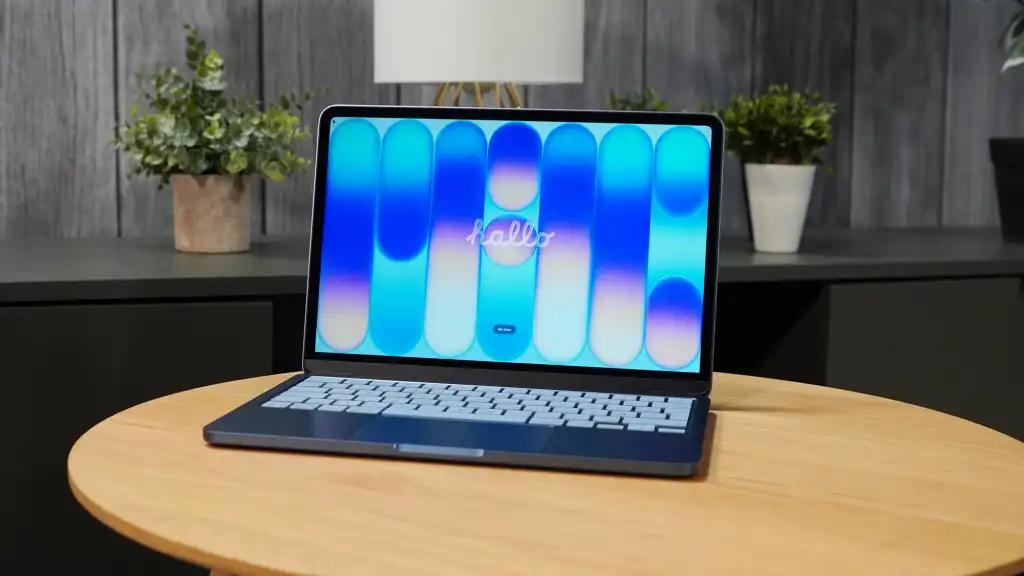
Table of Contents
The Shift Toward Affordable Premium
For years, the entry-level Windows laptop market was defined by a specific kind of misery: plastic chassis, dim screens, and a general lack of tactile joy. They were tools for paying bills and sending emails, not devices users actually wanted to touch. Apple disrupted this dynamic with the MacBook Neo, a $599 machine that brought a premium, all-aluminum experience to the budget tier, combining high-density displays with impressive battery life and an efficient recycled iPhone-based processor.
Dell’s response arrived at Computex in the form of a new $699 XPS 13. On paper, Dell isn’t just competing; they are mirroring the Neo’s core appeal. The new XPS 13 weighs in at a lean 2.2 pounds and claims a battery life of 17 hours, directly challenging the Neo’s efficiency. In some areas, Dell actually pushes further, offering an OLED display and a backlit keyboard—specs that traditionally cost a significant premium—for just $100 more than Apple’s offering.
The Hardware Parity Trap
The industry strategy here is clear: the ‘visceral experience’ now matters as much as the spec sheet. When you spend eight hours a day staring at a screen and touching a trackpad, the quality of those interfaces dictates the perceived value of the machine more than whether an SSD saves two seconds during a file transfer. Dell has historically understood this with its high-end XPS line, and by trickling that philosophy down to a $699 unit, they are finally addressing the ‘plastic slab’ problem of the Windows ecosystem.
However, there is a critical hardware bottleneck that threatens to undermine this premium pivot. The XPS 13 launches with 8GB of RAM. In a vacuum, 8GB is sufficient for basic web browsing and document editing. But in the context of 2026’s software environment, this limitation exposes a deep divide between how macOS and Windows handle system resources.
The Software Friction: macOS vs. Windows 11
The MacBook Neo’s success isn’t solely due to its aluminum shell; it’s due to the synergy between its ARM-based processor and macOS’s aggressive memory allocation. Users and reviewers, including Roman Loyola of Macworld, have noted the Neo’s ability to handle punishing workloads—such as 4K video editing or dozens of open browser tabs—without hitting a performance wall. The system simply doesn’t sputter, even when pushed toward its theoretical ceiling.
Windows 11, by contrast, has a long-standing reputation for bloat and inefficient memory management. While Microsoft is reportedly focusing 2026 on improving performance and reliability to stem a migration toward Linux, the current reality is that 8GB of RAM on a Windows machine often leads to perceptible slowdowns once multitasking intensifies. If the XPS 13 is intended to be a daily driver for power users, the software may betray the hardware.
The Legacy of Optimization
This gap is a systemic issue rather than a failure of Dell’s engineering. Microsoft CEO Satya Nadella recently acknowledged that the industry failed to prioritize software optimization during the ‘prime PC era,’ as developers relied on the promise of faster processors rather than refining their code. This lack of optimization means that even with a new Intel Wildcat Lake processor designed for efficiency, the XPS 13 may still struggle to feel as fluid as the MacBook Neo.
For the average user who treats a laptop as a necessity rather than a hobby, the XPS 13 will likely be a triumph of design and value. But for those who expect their budget machine to punch above its weight class, the experience will depend less on Dell’s hardware and more on whether Microsoft can finally trim the fat from Windows 11.


