Seattle Moves to Freeze Large-Scale AI Data Center Construction
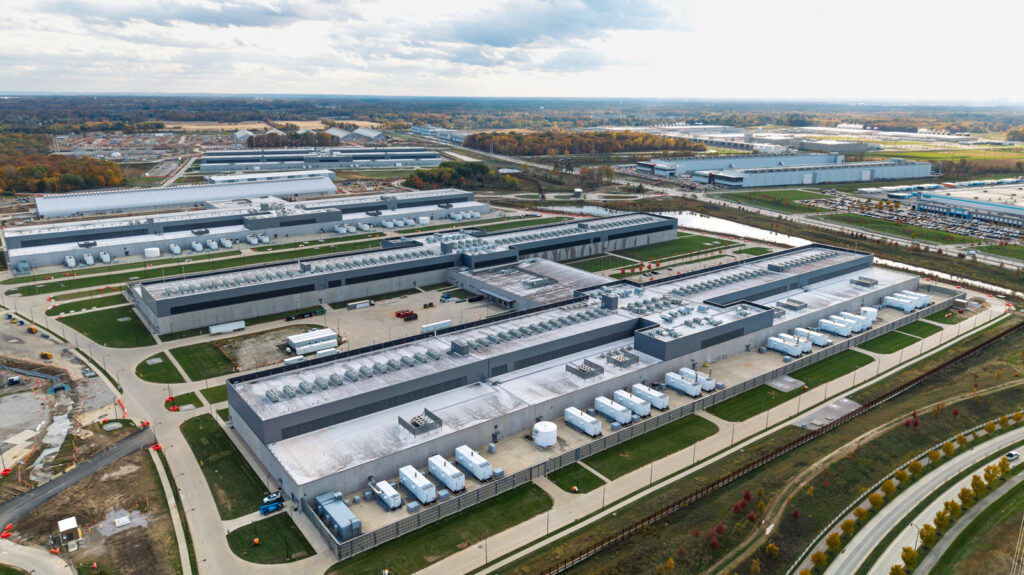
Table of Contents
A Tactical Pause on the AI Build-out
The Seattle City Council has unanimously passed a moratorium on the construction of new large-scale data centers, signaling a growing friction between the rapid expansion of artificial intelligence and the physical limits of municipal infrastructure. Mayor Katie Wilson is expected to sign the measure shortly, finalizing a one-year freeze on developments that exceed a specific energy threshold.
The move follows a series of alarming reports, including an April investigation by the Seattle Times, which revealed that just five proposed data center projects could potentially consume up to one-third of the city’s entire current electricity demand. For a city already balancing the needs of a growing population and a dense tech corridor, the prospect of a sudden, massive spike in power load has shifted the political conversation from economic growth to grid stability.
Defining the ‘Hyperscale’ Threshold
The moratorium specifically targets facilities that utilize more than 20 megavolt-amperes (MVA) of energy—a capacity capable of powering thousands of individual residential homes. To ensure the city doesn’t stifle all digital infrastructure, the council included a critical amendment that distinguishes between “traditional data centers” and AI “hyperscale” facilities. This nuance allows smaller, localized server farms to proceed while putting the brakes on the massive compute clusters required to train and run large language models (LLMs).
While Seattle is the epicenter for giants like Microsoft and Amazon, the immediate impact on these companies may be less than expected. As noted by GeekWire, neither company operates its primary data center hubs within the city limits themselves, preferring sprawling campuses in more rural or industrial zones. The moratorium is more likely to hit third-party developers and colocation providers who seek to build high-density shells for lease to AI startups and enterprises.
Beyond the Grid: Water and Noise
The energy crisis is the primary driver, but the council’s decision was also swayed by escalating concerns over environmental externalities. AI chips generate immense heat, requiring sophisticated cooling systems that often rely on millions of gallons of water. In a region where water management is a perennial concern, the prospect of diverting massive quantities of freshwater to cool GPU clusters has become a point of contention for residents.
Noise pollution has also entered the fray. The industrial-scale fans and HVAC systems required for hyperscale cooling create a constant, low-frequency hum that has led to zoning disputes in other tech hubs, a precedent Seattle officials are keen to avoid.
The Regulatory Race
The moratorium is not intended to be a permanent wall, but rather a breathing room for the city to conduct a comprehensive impact study. The council has approved a parallel bill requiring the city to analyze how these facilities affect electricity and water rates, land use, local employment, and public health.
This legislative scramble reflects a broader trend across the U.S. Seattle now joins a growing coalition of cities—including Denver, New Orleans, and Minneapolis—that have implemented temporary or permanent restrictions on data center growth. The goal is to establish permanent regulations before the industry can lock in its footprint.
The pressure for this freeze came largely from grassroots and internal corporate activism. More than 50 individuals testified at the most recent council meeting, including representatives from Amazon Employees for Climate Justice. These advocates urged the city to implement strict renewable energy requirements and labor protections, arguing that the industry is attempting to “build out as much compute capacity as they can, as fast as they can, before regulations can catch up.”
If the initial year-long ban proves insufficient to complete the city’s impact study, the council has the option to extend the moratorium for an additional six months.


