Hasselblad’s $8,000 Power Play: X2D II 100C Dethrones Sony A7 V in Japan Sales Charts
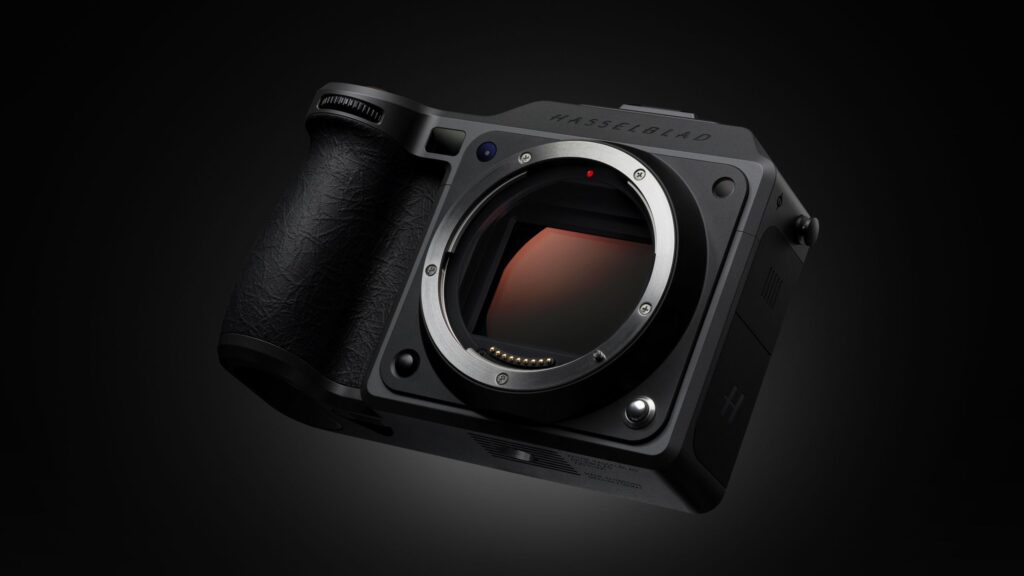
Table of Contents
A Rare Peak for Medium Format
In the volatile world of consumer electronics, sales charts usually favor the “sweet spot”—the intersection of high performance and mid-range pricing. However, the latest data from Yodobashi, one of Japan’s most influential electronics retailers, shows a startling deviation from that norm. The Hasselblad X2D II 100C, a medium format powerhouse with a price tag hovering around $7,399, has unexpectedly surged back to the No. 1 spot, dethroning the Sony A7 V.
The Sony A7 V has been the dominant force in the Japanese market since its December 2025 launch. As a versatile full-frame hybrid, it catered to the broadest possible demographic of professionals and enthusiasts. For the X2D II 100C to not only re-enter the rankings but to leapfrog a mass-market giant like Sony suggests a specific, high-end demand spike in Japan that defies standard consumer trends.
Technical Divergence: Raw Power vs. Hybrid Versatility
The battle for the top spot is more than just a numbers game; it is a clash of philosophies. The X2D II 100C is designed for a singular purpose: the pursuit of the “perfect still.” With a 100MP medium format sensor, it offers a level of detail and tonal gradation that full-frame sensors simply cannot match. Its technical suite is built for the studio and the landscape, featuring 15.3 stops of dynamic range and a sophisticated 5-axis stabilization system capable of 10 stops of compensation.
One of the most critical additions to the X2D II’s arsenal is LiDAR-assisted autofocus, a feature that brings medium format cameras closer to the snap-focus speeds of their smaller counterparts. While the Sony A7 V relies on a 33MP partially stacked sensor and AI-driven subject detection to appeal to hybrid shooters who split their time between stills and video, the Hasselblad appeals to the purist. The fact that a camera costing nearly three times as much as the A7 V is currently outselling it in this specific window indicates a strong movement toward luxury imaging tools among Japanese creators.
The Broader Market Ripple
While the headline grab is all Hasselblad, the rest of the Yodobashi Top 10 reveals a fragmented mirrorless landscape. Fujifilm continues to hold a vice grip on the enthusiast segment, with the X-M5 and X-T30 III kits securing the third and fourth positions respectively. Both models leverage the X-Processor 5 and 26.1-megapixel APS-C sensors, maintaining the “retro” aesthetic that has become a cultural staple in Japanese street photography.
Meanwhile, Nikon has seen a quiet resurgence. The Z50 II standard zoom kit has reappeared in the rankings after a nine-month hiatus, suggesting a renewed interest in compact, crop-sensor systems for those who find full-frame systems too cumbersome for daily use.
The Upcoming Volatility
The current leadership of the X2D II 100C may be short-lived. The market is bracing for the full impact of the Sony A7R VI, which entered the fray in June. As the high-resolution sibling to the A7 V, the A7R VI is positioned exactly where the Hasselblad is fighting for oxygen: the high-megapixel, professional stills market.
If Sony can successfully market the A7R VI as a more accessible alternative to medium format, we can expect a rapid correction in the charts. For now, however, Hasselblad has proven that there is still a massive appetite for uncompromising, ultra-premium hardware in the world’s most discerning camera market.