iOS 27 Pivot: Apple Transforms Siri Into a Standalone AI Agent and Refines ‘Liquid Glass’ Aesthetics
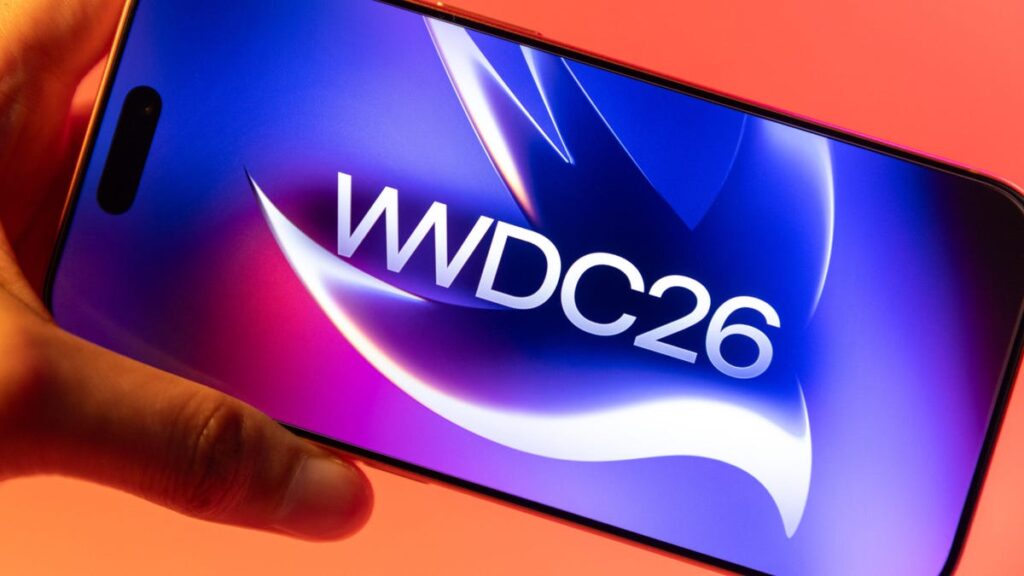
Table of Contents
The Shift Toward an Agentic Ecosystem
Apple’s presentation at the 2026 Worldwide Developers Conference (WWDC) made one thing clear: the era of the simple voice assistant is over. With the announcement of iOS 27, Apple is pivoting Siri from a reactive tool into a proactive AI agent. The centerpiece of this evolution is the introduction of Siri AI, a system deeply integrated into the OS that moves beyond basic command-and-control to perform complex actions across third-party and native applications.
The most jarring departure from tradition is the debut of a dedicated Siri app. For years, Siri has existed as an invisible layer of the interface, summoned by a button or a wake word. By giving Siri its own application, Apple is effectively acknowledging the industry shift toward conversational AI. This standalone hub allows users to maintain persistent chat threads, pin critical conversations, and synchronize AI-driven workflows across iPhone, iPad, and Mac—effectively positioning Siri as a direct competitor to standalone LLM interfaces like ChatGPT and Claude.
Interaction points have also shifted. Users can now trigger Siri AI via a downward swipe on the Dynamic Island, creating a more tactile, immediate entry point for AI queries that feels less like a system setting and more like a primary feature of the hardware.
Visual Continuity and the ‘Liquid Glass’ Iteration
While AI took center stage, Apple continued to refine the visual language it introduced last year. The ‘Liquid Glass’ design system, which debuted with iOS 26 and marked the first significant aesthetic overhaul since the flat-design era of iOS 7, is receiving a critical update in iOS 27. The new software introduces a dedicated slider that allows users to modulate the transparency and opacity of UI elements in real-time.
This level of granular control over translucency suggests that Apple is moving toward a more personalized aesthetic experience, allowing users to balance high-contrast legibility with the depth-driven, glass-like effects that define the current design era. It is a subtle but important shift, moving away from the rigid uniformity that has characterized iOS for over a decade.
Hardware Bounds and the Intelligence Gap
In a move that will please long-term owners, Apple confirmed that iOS 27 will support devices as old as the iPhone 11. However, there is a significant caveat: not all features will be available on all hardware. While the base OS will install on older chipsets, the heavy lifting of Siri AI and the enhanced photorealistic capabilities of the Image Playground app require Apple Intelligence-enabled hardware. This means the full AI suite will likely be reserved for the iPhone 16 Pro and subsequent models, creating a tiered experience where older devices get the visual updates and stability patches, but lack the neural processing power for the agentic AI features.
Expanded Health Utility and Camera Integration
Beyond the AI and aesthetics, iOS 27 introduces a pragmatic expansion to the Health app. Apple has added comprehensive tracking for menopause and perimenopause, allowing users to log specific symptoms and access educational resources. This is part of a broader trend of Apple positioning the iPhone as a medical-grade wellness tool, moving beyond simple step-counting and heart rate monitoring.
The camera is also being leveraged as an AI lens. The new ‘Siri Mode’ within the Camera app allows users to point their device at real-world objects to extract instant information—a feature that blends computer vision with the generative capabilities of Siri AI to provide context-aware data about the user’s immediate environment.
Developers can access the iOS 27 beta immediately, with a public beta expected to roll out in July. The final stable build will likely launch alongside Apple’s traditional September hardware event.