Apple’s Foldable Ambitions: The ‘iPhone Ultra’ and the High Stakes of Entering a Mature Market
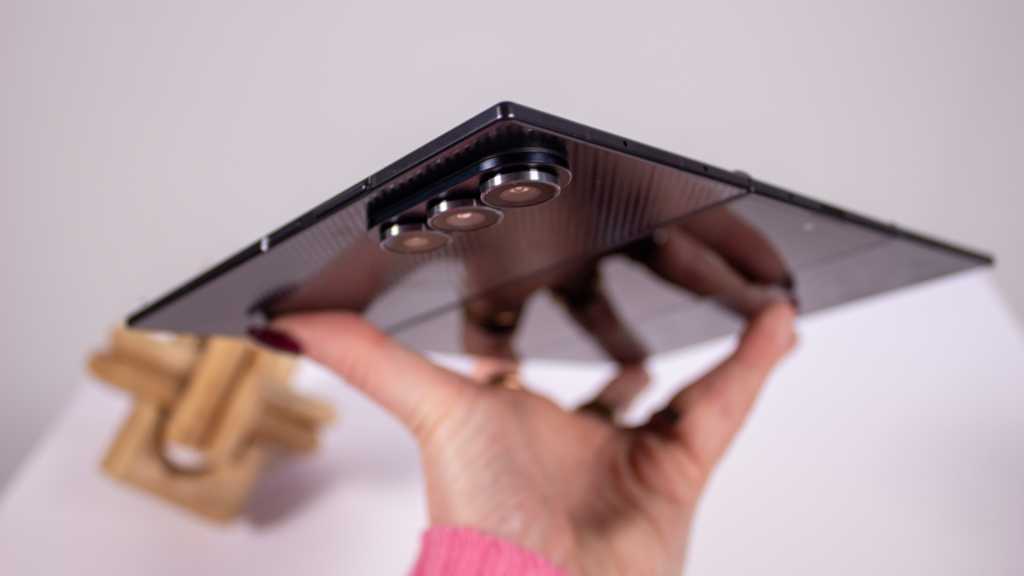
Table of Contents
The Last Giant to Fold
For years, Apple has remained the sole holdout among the industry’s heavy hitters, watching from the sidelines as Samsung, Google, and Motorola iterated through multiple generations of foldable glass. But the silence from Cupertino is ending. A convergence of CAD leaks, dummy models, and supply chain intelligence suggests that Apple is finally preparing a foldable entry—tentatively dubbed the ‘iPhone Ultra’—aimed at a 2026 launch.
The strategy here isn’t just about catching up; it’s about refinement. Apple rarely enters a category first, preferring to let competitors flush out the engineering hurdles. In the case of foldables, that means solving the ‘crease’ problem and ensuring long-term hinge durability before scaling to millions of units.
A ‘Passport’ Form Factor and Technical Compromises
Recent leaks, including CAD renders surfaced by Sonny Dickson and a hands-on dummy model featured by Unbox Therapy, point toward a ‘book-style’ foldable rather than a clamshell flip. The most striking aspect of the design is its ‘passport’ geometry—a square-ish profile when closed that unfolds into a display mirroring the 4:3 aspect ratio of an iPad mini.
However, the pursuit of this slim, square form factor has forced some significant engineering trade-offs. Most notably, sources indicate the removal of Face ID. To maintain a thinner chassis, Apple is reportedly pivoting to a side-mounted Touch ID fingerprint sensor. This marks a departure from the Pro line’s biometric standard, suggesting that the physical constraints of the foldable hinge and screen assembly made the TrueDepth camera system unfeasible for this specific chassis.
Further design details show a massive camera plateau, reminiscent of the rumored ‘iPhone Air’ aesthetics, and a departure from the seamless unibody construction seen in the iPhone 16 Pro series. The lack of a dedicated glass insert for wireless charging also suggests a different internal antenna architecture to accommodate the folding mechanism.
The Production Tightrope
The timeline for the iPhone Ultra remains a point of contention among analysts. While Mark Gurman of Bloomberg suggests the device will launch alongside the high-end iPhone 18 series in September 2026, other reports paint a more volatile picture. Nikkei Asia recently highlighted setbacks in the engineering test phase, hinting that mass production could be delayed.
The tension lies in Apple’s relationship with Foxconn. While trial production is reportedly underway in China, the complexity of foldable panels—which require far more stringent quality control than static OLEDs—means any minor yield issue could push the launch date back. If Apple cannot guarantee millions of units at launch, they may opt for a staggered release, mirroring how they handled the initial rollout of the Apple Watch.
The $2,000 Gamble
Pricing for the Ultra will likely be the most aggressive in iPhone history. While some early estimates floated a $1,999 entry point, more recent analyst data pushes that figure toward $2,399, with some ceiling estimates hitting $2,500. This positions the device not as a replacement for the Pro Max, but as a luxury tier above it.
In China, leaks from Instant Digital suggest a three-tier storage strategy that would translate to a US starting price of roughly $2,320. This pricing strategy suggests Apple isn’t trying to undercut Samsung’s Z Fold series, which typically starts around $1,799 to $1,999. Instead, Apple is betting that its ecosystem lock-in and the ‘Ultra’ branding can justify a significant premium over the existing foldable market.
Market Positioning: More Than a Phone
By aligning the foldable with the ‘Ultra’ moniker—joining a potential stable of MacBook Ultra and AirPods Ultra products—Apple is signaling a shift toward a productivity-first device. The 4:3 aspect ratio confirms this isn’t just a larger phone; it’s a pocketable tablet. The real test will be whether iPadOS or a modified version of iOS can actually utilize that screen real estate effectively, or if the iPhone Ultra will simply be a larger version of the same experience we’ve had since 2007.