Insta360 Luna Ultra Leaks via Retailer: 8K Video and Leica Optics Signal a New Flagship Contender
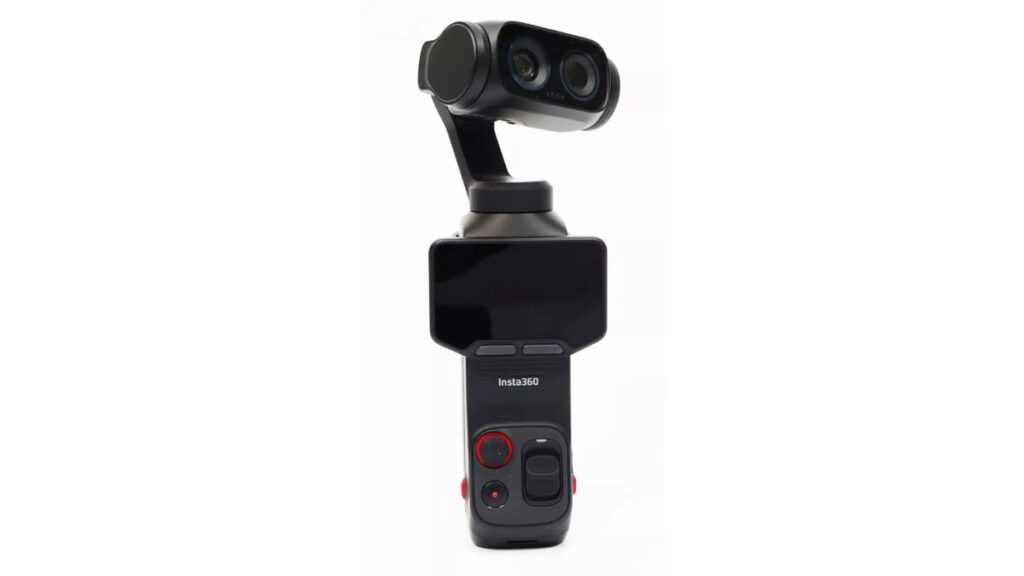
Table of Contents
A Surprise Appearance in Germany
Insta360 has a history of tightly controlling its product cycles, but the silence around its next major hardware push has been broken by a retail leak. A listing from German photography specialist Foto Erhardt has prematurely revealed the Insta360 Luna Ultra, a device that appears to be positioning itself as a direct challenger to the high-end compact vlogging market.
The listing isn’t just a mention; it’s a full-scale pre-order invitation. Potential buyers can currently place a €50 deposit to reserve the device, with the retailer promising priority delivery based on the order of reservation. While Insta360 has yet to issue an official press release or a launch date, the presence of professional product imagery and detailed specifications suggests the device is essentially production-ready.
The Hardware: Leica Glass and 8K Ambitions
The leaked specifications paint a picture of a “prosumer” device that moves away from the niche action-cam territory and toward a high-fidelity cinematic tool. The centerpiece of the Luna Ultra is a Leica Summicron lens paired with a 1-inch image sensor. For those unfamiliar with the pedigree, the Summicron line is renowned for its sharpness and contrast, and pairing it with a larger sensor indicates that Insta360 is prioritizing low-light performance and natural bokeh over the ultra-wide, distorted looks of their X-series cameras.
On the video front, the Luna Ultra is pushing boundaries. The listing claims support for 8K video recording, a significant jump that puts it in the territory of high-end mirrorless cameras and professional cinema rigs. For creators needing high-frame-rate action, the device reportedly supports 4K capture at up to 120fps, making it a viable tool for slow-motion cinematography.
Color Science and Stability
Beyond raw resolution, the Luna Ultra seems geared toward a professional post-production workflow. The inclusion of 10-bit i-Log recording and dedicated Leica color profiles suggests that the camera is designed for those who color grade their footage rather than relying on straight-out-of-camera looks.
To handle the physical movement, the device utilizes a 3-axis gimbal stabilization system. While Insta360’s software-based “FlowState” stabilization is industry-leading, a physical gimbal allows for more organic, sweeping movements and prevents the “warping” effect often seen in electronic image stabilization (EIS) when shooting at high resolutions like 8K.
Where Does This Fit in the Market?
The Luna Ultra represents a strategic pivot. By integrating Leica optics and a physical gimbal, Insta360 is no longer just fighting DJI’s Osmo Pocket series; they are encroaching on the territory of the Sony ZV-1 and the Ricoh GR series. It is an attempt to capture the “creator” who wants more than a smartphone but finds a full mirrorless setup too cumbersome for daily vlogging.
The move also strengthens the partnership between Insta360 and Leica, which previously bore fruit in the X3 and Ace Pro. By moving into a dedicated gimbal-camera form factor, they are betting that creators will trade the versatility of a 360-degree lens for the sheer image quality of a fixed, high-end prime lens.
While official pricing remains hidden behind the €50 reservation fee, the “Ultra” branding and Leica collaboration suggest a premium price point. If the 8K claims hold up in real-world testing, the Luna Ultra could redefine the expectations for compact creator gear in 2025.