Apple’s Siri Dilemma: Can Gemini Integration Save a Failing AI Legacy?
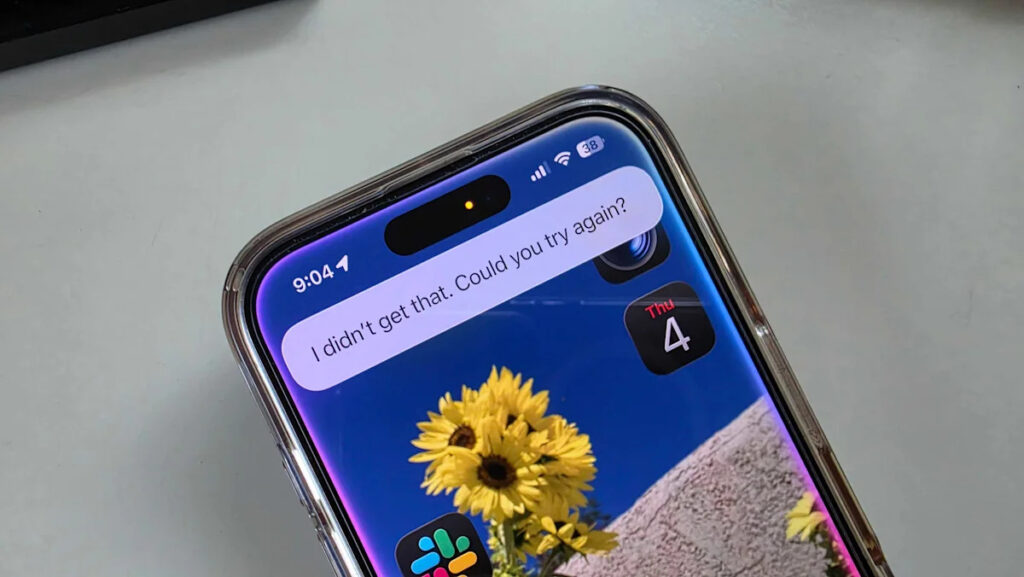
Table of Contents
The Friction of a Fragmented Assistant
For years, the experience of using Siri has been a study in diminishing returns. While the assistant is proficient at the basic ‘digital hygiene’ of the iPhone—setting timers, launching apps, or sending quick texts—it frequently collapses when faced with basic contextual reasoning. The frustration isn’t just about a lack of knowledge, but a perceived hostility in its failure. When Siri tells a user to ‘look it up on the iPhone’ while they are actively driving, it isn’t providing a safety tip; it is admitting a fundamental failure in its primary utility as a hands-free interface.
This disconnect has left Apple vulnerable. While the company spent the last several years refining the hardware of the iPhone and the ecosystem of iOS, the actual ‘intelligence’ of the device stagnated. In contrast, the rise of Large Language Models (LLMs) has shifted user expectations. We are no longer looking for a voice-activated command line; we are looking for a cognitive partner.
The Gemini Gambit
The most significant pivot in Apple’s strategy is the reported integration of Google’s Gemini. By leveraging Gemini’s competence, Apple is essentially admitting that its in-house approach to conversational AI couldn’t keep pace with the rapid acceleration of generative AI. This partnership is more than just a feature update; it is a strategic necessity to prevent users from migrating to Android ecosystems where Gemini is already deeply integrated.
The potential for ‘cross-app’ functionality is where the real battle lies. Current AI benchmarks show Gemini successfully extracting data from a text thread to execute a third-party order via DoorDash—a multi-step process that requires understanding intent, extracting entities, and navigating an external API. Siri, by comparison, often struggles with a single-step request, such as identifying a plant from a photo, often redirecting users to an Apple Support page rather than providing an answer.
Contextual Blindness and the Localized Failure
A recurring failure in Siri’s logic is a lack of geospatial and contextual awareness. When a user asks for a local landmark but is routed to a city thousands of miles away, it reveals a gap in how Siri handles ambiguity. A truly intelligent assistant should cross-reference the user’s current GPS coordinates with the search query to determine the most probable intent. This is a cornerstone of the Google Maps and Gemini integration that Apple has yet to master.
This lack of nuance extends to the home. Apple’s smart home strategy, including the rumored home display and HomePod updates, faces a significant hurdle in device hand-off. Users currently experience ‘collision’ where multiple devices respond to a single query, or the wrong device triggers across the house. Until Apple can implement a more sophisticated proximity-based response system, the HomePod remains a distant second to Amazon’s Alexa in terms of domestic utility.
The Data Gap in Health and Fitness
Apple has attempted to bridge the AI gap through specialized tools like the Workout Buddy, introduced at WWDC. While the integration of personal health metrics and curated audio is a step in the right direction, it remains a siloed experience. The real opportunity for Apple is to unify these specialized AI ‘nodes’ into a single, cohesive intelligence. If the Workout Buddy can tell you your heart rate is peaking, but Siri cannot tell you if it will rain during your run without giving a terse, one-sentence answer, the user experience remains fractured.
The path to repairing user trust isn’t through a new marketing slogan or a slightly faster response time. It requires Siri to stop buck-passing and start executing. The integration of Gemini may provide the brain, but Apple must still provide the nervous system—the seamless, intuitive connection between the AI and the hardware that defined the company’s early success.