NASA Orders ISS Astronauts into ‘Safe Haven’ Over Russian Repair Concerns
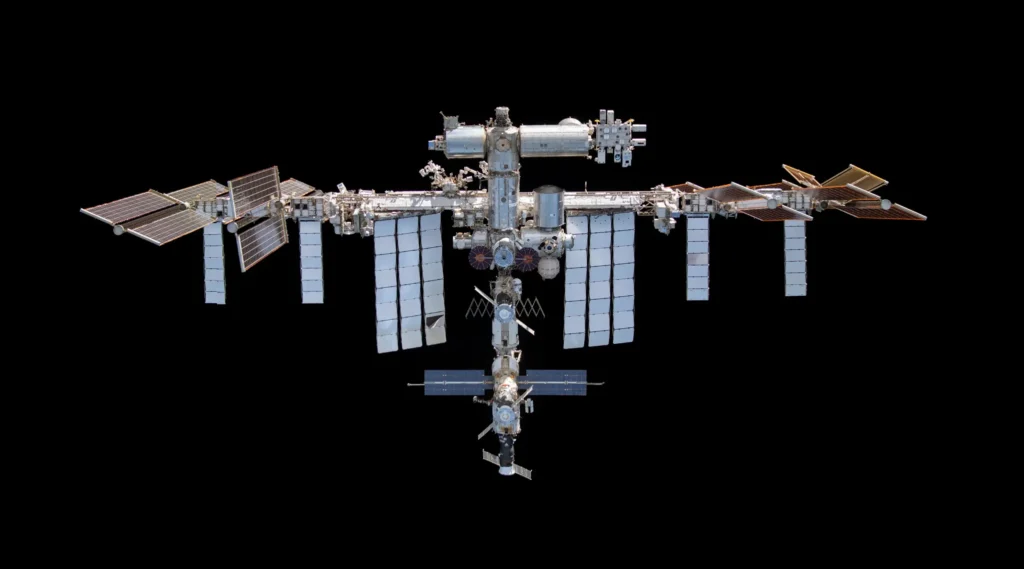
Table of Contents
A Sudden Shift to Safety
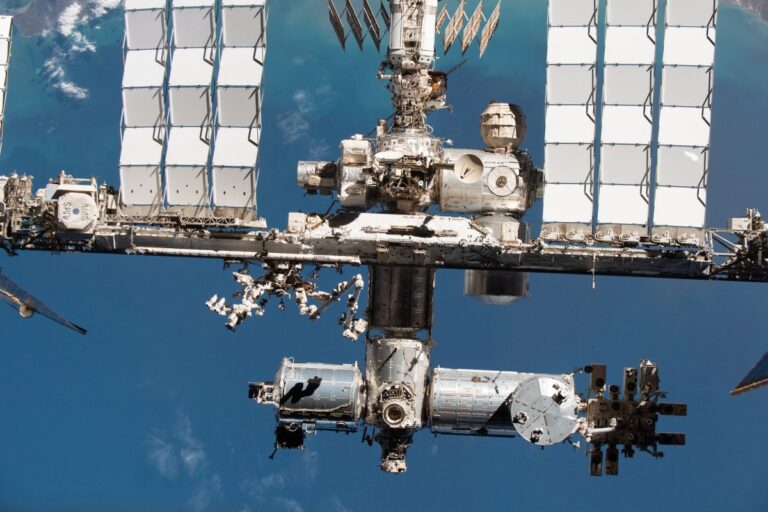
In a rare move that underscores the fragile nature of orbital cooperation, NASA mission controllers in Houston ordered the International Space Station (ISS) crew to retreat into a SpaceX Crew Dragon spacecraft on June 5. The directive to establish a “safe haven” was triggered by an “elevated risk” associated with planned structural repairs being conducted by Russian cosmonauts in the station’s Zvezda service module.
The order came shortly after 9 a.m. Eastern Time, when Capcom Ever Zavala instructed the four members of the Crew-12 mission and NASA astronaut Chris Williams to execute emergency procedures. While the astronauts were told to shelter in the capsule, they were initially advised against donning their full pressure suits, suggesting that the threat was perceived as a potential structural failure rather than an immediate, catastrophic decompression event.
For nearly two hours, the crew remained isolated within the Dragon capsule—essentially a lifeboat docked to the orbiting laboratory—while the Russian segment of the station underwent a high-stakes technical operation. By late morning, controllers cleared the astronauts to exit the vehicle and resume normal operations.
The Zvezda Leak Crisis
The tension centered on the PrK, a critical vestibule in the Zvezda module that connects the station to Progress cargo spacecraft. The PrK has been plagued by persistent, small-scale air leaks for several years, a nuisance that turned into a priority when leak rates increased earlier in the week.
According to NASA, Roscosmos decided to pivot from a standard inspection to a more invasive structural repair effort. This revised plan involved cutting a bracket to gain access to a suspected leak source. NASA officials determined that the method proposed by the Russian team could have jeopardized the structural integrity of the area, leading to the decision to move the crew to a heightened safety posture.
Ultimately, the high-risk structural work was avoided. In a statement, Roscosmos noted that cosmonauts Sergey Kud-Sverchkov and Sergei Mikaev opted to take precise measurements and apply sealant to one of two suspected leak areas instead of cutting the hardware. NASA confirmed it strongly supported this shift in tactics, which allowed the crew to leave the Dragon capsule and return to their duties.
A Growing Rift Over Root Causes
While the immediate crisis was averted, the incident highlights a lingering technical and diplomatic friction between NASA and Roscosmos. Earlier this year, NASA believed the PrK leaks had been mitigated through the application of sealants to visible cracks. However, the two agencies have consistently disagreed on both the severity of the leaks and the root cause of the failure.
The disagreement is not merely technical; it is operational. The Zvezda module is the heart of the Russian segment, and the lack of consensus on how to fix it suggests a breakdown in shared diagnostics. When one agency proposes a “aggressive” fix (like cutting a bracket) that the other deems unsafe, the only remaining safety protocol is the physical separation of the crew into a rescue vehicle.
NASA has stated it will continue to coordinate with its Russian counterparts and other international partners to reach a permanent resolution. However, as the ISS continues to age, these disputes over structural health and repair methodologies are likely to become more frequent, turning the Crew Dragon from a transport vehicle into an essential safety buffer.